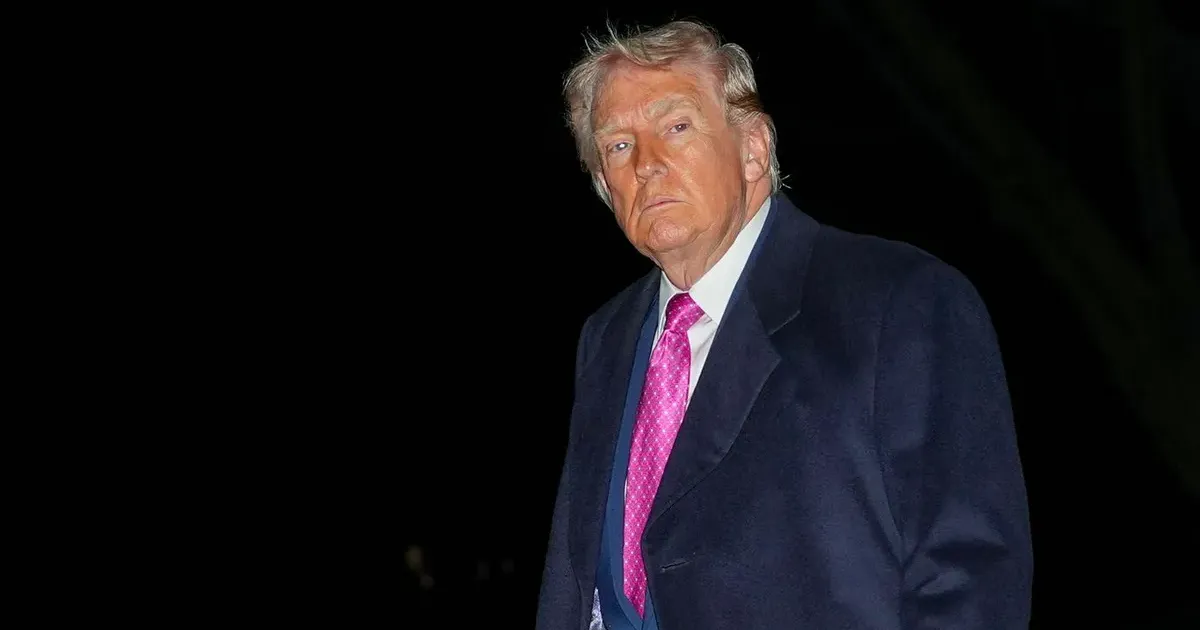
The threat raised the conflict from shipping access to civilian infrastructure risk. The legal line is not incidental. Humanitarian exposure is part of the decision. That shift makes the warning harder to treat as rhetoric. President Donald Trump declared on March 30, 2026, that the United States is prepared to destroy Iranian energy and water infrastructure unless the Strait of Hormuz reopens for global commerce immediately.
Specific threats targeted electric generating plants, oil wells, and the critical export hub on Kharg Island. These warnings appear on the former president's Truth Social platform, where he characterized the potential strikes as a conclusion to the current military presence in the region. Retribution for the deaths of American soldiers over the last 47 years is the primary justification for this planned escalation. Military planners in Washington have reportedly refrained from striking these assets until now, holding them as high-value leverage in ongoing negotiations.
White House officials describe the current situation as a final window for diplomacy before the expiration of a one-week deadline. Tensions rose sharply after Tehran effectively closed the waterway earlier in the month, prompting a surge in global oil prices. Crude reached $100 per barrel this morning, creating serious economic pressure on Western nations reliant on Persian Gulf energy. While indirect negotiations continue through international intermediaries, the lack of a formal Iranian response to a U.S. 15-point proposal has exhausted patience in the Oval Office. President Trump simultaneously claimed that great progress has occurred in talks with what he called a more reasonable regime, though his public rhetoric suggests a readiness for total kinetic engagement.
But if for any reason a deal is not shortly reached, which it probably will be, and if the Hormuz Strait is not immediately "Open for Business" we will conclude our lovely "stay" in Iran by blowing up and completely obliterating all of their Electric Generating Plants, Oil Wells and Kharg Island (and possibly all desalinization plants!), which we have purposefully not yet "touched."
Iran maintains that the closure of the waterway is a sovereign right in response to American aggression. State media in Tehran reported a rejection of the 15-point proposal on Sunday night, characterizing the terms as a demand for total surrender. Mohammad Bagher Ghalibaf, the speaker of the Iranian parliament, warned that any strike on domestic infrastructure would trigger immediate retaliation against energy and water facilities throughout the Gulf region. This threat extends to neighboring nations that host American military bases or support the naval coalition. Regional stability depends on whether these threats remain rhetorical or transition into active combat operations.
Pakistan Mediates Limited Strait of Hormuz Access
Islamabad successfully negotiated a temporary reprieve by brokering an understanding to allow 20 commercial ships to transit the waterway. This Pakistani intervention provides a brief respite for global markets but do not resolve the underlying deadlock regarding the permanent reopening of the strait. The Arab League met on Monday to discuss the deteriorating security situation, expressing concern over the potential for a wider regional fire. Diplomats within the league are pushing for a de-escalation framework that avoids the targeting of civilian utilities. Iranian officials have not yet confirmed if they will attend a proposed high-level meeting with American envoys in the coming days.
White House envoy Steve Witkoff remains the central figure in these backdoor communications. Witkoff reportedly communicated the severity of the American position to regional partners, emphasizing that the patience of the administration is not infinite. Economic data from the previous week showed a sharp rise in domestic gasoline prices, which often dictates the urgency of American foreign policy in the Middle East. President Trump previously set a 48-hour deadline for compliance before extending it to the current one-week window. The administration appears to be balancing the need for a diplomatic win with the domestic political necessity of appearing strong on energy security.
International Law and Desalinization Plant Targets
Targeting water treatment facilities is a shift in targeting philosophy that alarms humanitarian organizations. Desalination plants provide the vast majority of potable water for Iranian coastal populations and their destruction would cause an immediate humanitarian crisis. Legal advisors at the United Nations noted on Monday that such strikes often fall under the category of prohibited acts during armed conflict. Trump remains undeterred by these critiques, focusing instead on the historical grievances cited in his social media posts. The mention of 47 years of retribution refers to the period beginning with the 1979 revolution and the subsequent decades of proxy conflict.
Global markets reacted to the possibility of water infrastructure strikes with increased volatility. Investors fear that a scorched-earth policy in Iran would lead to asymmetrical responses from Tehran's proxies in Lebanon, Yemen, and Iraq. Shipping insurance premiums for vessels operating in the Gulf of Oman have tripled since the start of the month. Several European allies have signaled they would not support a campaign that targets civilian life-support systems. These internal fractures within the Western coalition provide Tehran with a degree of diplomatic maneuvering room that they has exploited during the Pakistani-led mediation efforts.
Military Buildups and Ground Attack Speculation
Recent troop movements near the Iranian border have sparked rumors of a potential ground operation to secure nuclear materials. The Wall Street Journal reported that the administration is weighing a specialized mission to seize or neutralize sensitive sites before they can be used in a retaliatory capacity. Trump has not confirmed these reports, though his mention of a lovely stay in Iran suggests a military footprint that exceeds mere naval patrols. Heavy equipment and additional strike aircraft arrived at regional bases over the weekend. These deployments serve as a physical manifestation of the obliterating force described in the president's warnings.
Iranian military leaders have responded by placing their ballistic missile batteries on high alert. Satellite imagery shows increased activity at underground silos and mobile launcher sites across the central plateau. Intelligence reports suggest that Iran possesses the capability to launch hundreds of drones and missiles simultaneously if its energy heartland comes under fire. This defensive posture aims to deter the United States by making the cost of an attack prohibitively high. The current deadlock places the global economy at the mercy of a single miscalculation by either side in the narrow waters of the Persian Gulf.
Infrastructure Threat Escalation
Infrastructure threats create leverage but also sharpen legal exposure. Power, water and energy networks are often connected to civilian survival even when governments describe them as strategic targets.
The next signal is whether the language remains rhetorical or becomes formal targeting guidance inside military planning.