Donald Trump extended the deadline for Iran to reopen the Strait of Hormuz, giving Tehran until April 6 before the United States considers a broader strike plan against energy infrastructure. The White House described the delay as a final diplomatic window, but Iranian officials disputed the idea that talks had made meaningful progress.
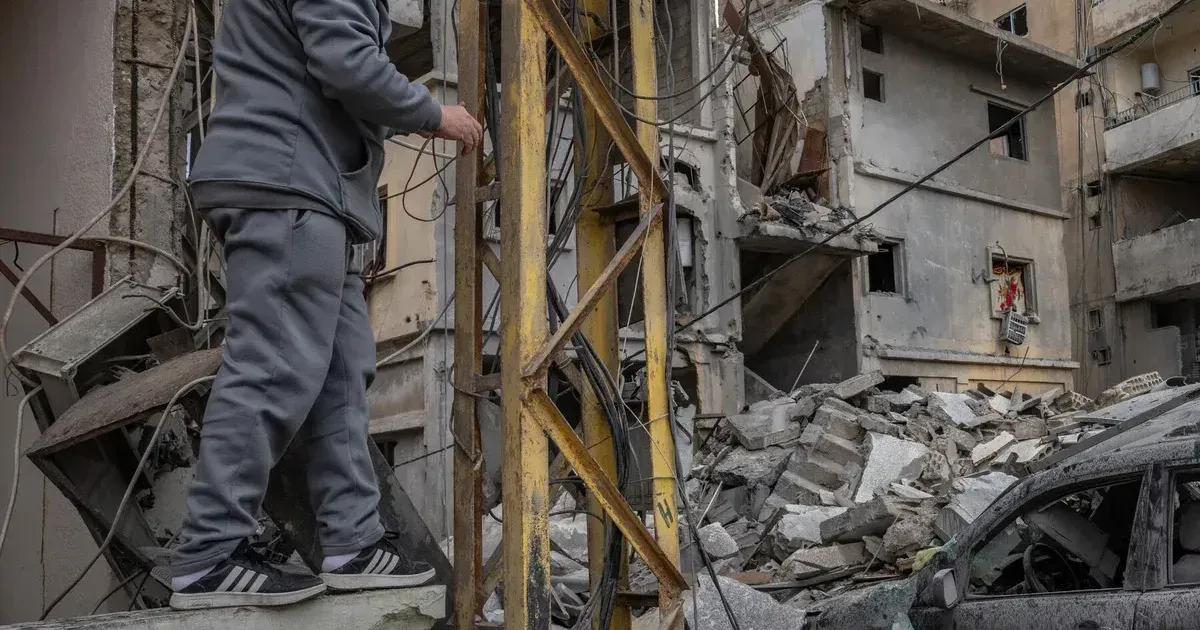
The March 27, 2026 extension came as Israeli operations continued and casualty reports inside Iran grew more severe. Strikes in Qom were reported to have hit residential areas, with emergency teams searching damaged buildings for survivors. Iranian officials said the wider death toll from the conflict was approaching 2,000, though battlefield figures remain difficult to independently verify during active hostilities.
The crisis now sits at the intersection of military pressure, energy security, and humanitarian risk. Washington wants the Strait reopened. Tehran wants leverage against sanctions and attacks. Israel continues to target Iranian military capacity. Those goals do not align neatly, which is why a 10-day pause may not be enough to produce a settlement.
Hormuz Deadline Shapes Diplomacy
The Strait of Hormuz is the central pressure point because a significant share of global petroleum moves through the narrow waterway. Iranian restrictions have already forced traders to price in risk, and any prolonged disruption could lift fuel costs across Asia, Europe, and the United States. Earlier Iranian denials around shipping lane talks show how contested the diplomatic picture remains.
Trump's deadline gives the administration a clearer marker, but it also creates a test of credibility. If Iran does not comply by April 6, the White House will have to choose between escalation and a visible retreat from its own threat. Either choice carries costs. Allies are also watching closely. Energy-importing governments want the Strait reopened, but many are wary of strikes that could expand the war.
That tension gives the United States limited room to maneuver, even if it has the military capacity to hit Iranian infrastructure. The deadline also gives markets a date to trade around. Oil buyers, insurers, and shipping firms will use the days before April 6 to decide whether to accept Gulf exposure or reroute cargoes. Those decisions can tighten supply even before any new military order is given.
Regional governments have their own calculations as well. Gulf states need open shipping lanes, but they also want to avoid becoming launchpads for a wider war. Their cooperation with Washington may therefore come with private limits that are not visible in public statements.
Iran Disputes US Progress Claims
Iranian negotiators rejected the US account that talks were moving forward, describing those claims as a pressure tactic. The disagreement reflects a broader dispute over sequencing. Tehran wants relief and an end to attacks before making concessions, while Washington wants maritime access restored first. The administration's earlier warnings about Iranian energy facilities remain part of that leverage.
The problem is that pressure can harden positions as easily as it produces compromise. Iranian leaders may calculate that the global economic pain of constrained oil flows will eventually push other governments to restrain Washington. US officials, by contrast, may believe that the threat of energy strikes can force Tehran to step back. Those competing assumptions make miscalculation more likely.
A deadline can focus diplomacy, but it can also narrow choices if both sides use it to prepare for the next round of escalation.
Civilian Toll Deepens the Crisis
Reports from Qom added a grave humanitarian dimension to the standoff. Rescue workers searched damaged residential buildings after strikes that local officials said killed civilians. Hospitals in affected areas were reported to be under pressure from trauma cases and shortages. Israel has argued that its strikes target military infrastructure and Iranian command networks. Iranian officials and international critics argue that the campaign is causing unacceptable civilian harm. Both narratives are likely to intensify as the conflict continues and more images from damaged urban areas emerge.
The April 6 deadline is therefore more than an energy-market date. It is a decision point for whether the conflict moves toward a negotiated pause or a broader campaign against infrastructure. The longer the Strait remains constrained and the casualty toll rises, the harder it becomes for any side to frame the next step as controlled. The added context is justified by the number of moving parts: US threats, Iranian denials, Israeli operations, civilian casualties, Gulf shipping and market pressure.
Treating it as a short brief would flatten the stakes and leave readers without enough context to understand why one deadline can carry so much risk. The next phase will depend less on a single public statement than on whether each side believes escalation improves its leverage. If Washington, Tehran, or Jerusalem misread that calculation, the conflict could move from deadline diplomacy into a wider infrastructure war with consequences well beyond Iran. That risk is why casualty reporting and energy reporting belong in the same story. Civilian harm can harden political positions, while energy disruption spreads the cost internationally. Together, they make the deadline harder to manage than a narrow military ultimatum.