Crude prices soared in response to the tightening of maritime corridors in the Persian Gulf. Global shipping lanes now face their most serious disruption in the modern era. On March 31, 2026, the issue moved from background concern into immediate scrutiny. Markets reacted with immediate volatility as traders priced in a long-term absence of Persian Gulf output.
Energy security experts warn that the removal of millions of barrels of oil from the daily market creates a deficit that existing reserves cannot easily fill. National governments are scrambling to implement conservation policies to prevent total economic paralysis. Strategic reserves in several Western nations are being tapped at rates that suggest a narrow window for resolution. Military developments in the region show no sign of de-escalation as of late March.
Emergency Measures in Importing Nations
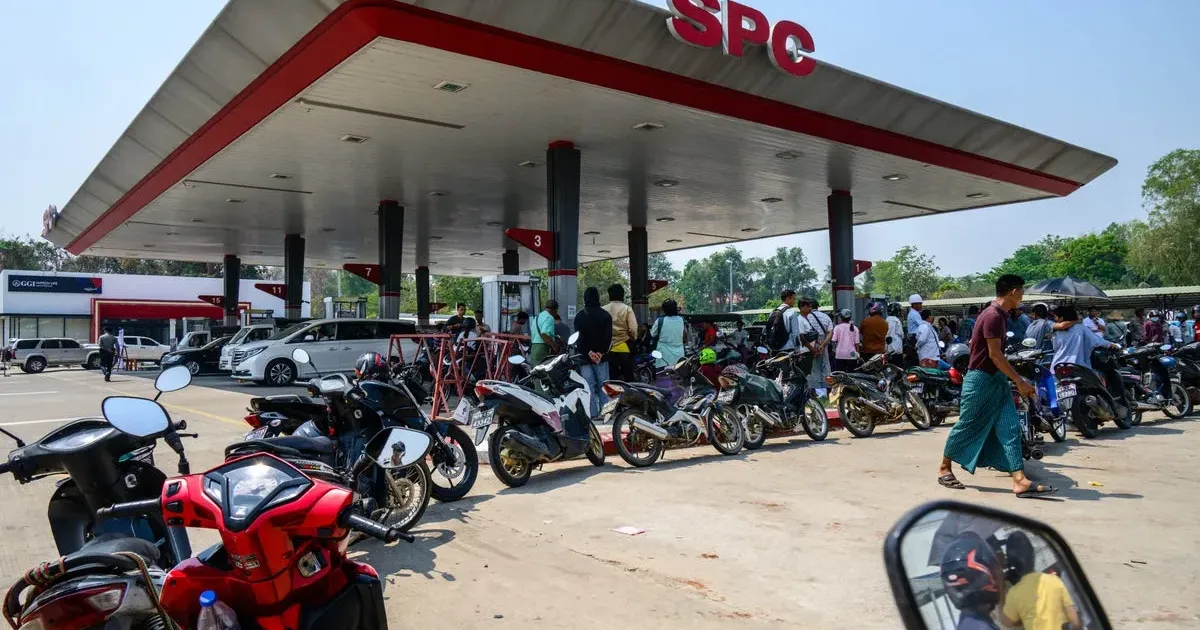
Governments across Europe and the Americas are deploying radical social policies to curb fuel consumption. High prices at the pump forced several administrations to offer free public transportation in an effort to move commuters away from private vehicles. This transition aimed to preserve dwindling diesel and gasoline stocks for essential services. Public transit systems in major cities reported record ridership numbers during the final week of March 2026.
Legislators in multiple jurisdictions are debating the mandatory implementation of a four-day working week to reduce national energy footprints. Reducing the number of required commutes could slash petroleum demands by meaningful margins. Some corporate sectors already transitioned to full remote operations where possible. Industrial manufacturers are scaling back production shifts to align with available power grids.
Rationing remains a secondary consideration but looms as a possibility if the conflict persists through the spring. Fuel stations in several UK counties reported supply shortages as panic buying complicated government distribution efforts. Emergency laws were passed to prevent price gouging at the retail level. National energy agencies advised citizens to limit non-essential travel until further notice.
Asian Competition for Russian Crude
Nations in Asia are pivoting toward Russia to secure their energy future as the conflict in the Middle East intensifies. Supply chains that previously relied on Iraqi and Iranian exports are now seeking alternatives to fuel their industrial hubs. The sudden disappearance of Middle Eastern crude forced a large realignment of global trade routes. Asian refineries are specifically configured for the heavy and medium grades that are now in short supply. Military tensions continue to escalate as Iran maintains a restrictive hold over the vital Strait of Hormuz.
"Asian nations are increasingly competing for Russian crude oil as an energy crisis mounts amid the U.S. and Israeli war in Iran, which has choked off roughly a fifth of the world’s oil supply," reported ABC News International on the shifting trade dynamics.
Beijing and New Delhi are competing for available Russian barrels with increased urgency. Moscow finds itself in a position of unexpected market dominance due to the collapse of Gulf shipping. Discounts on Russian Ural crude have evaporated as demand outstrips the available pipeline and tanker capacity. This shift is a major change in the geopolitical balance of energy power.
Energy ministers in Seoul and Tokyo held emergency meetings to discuss the risk of industrial stagnation. Manufacturers in these regions require consistent oil inputs to maintain the production of electronics and automobiles. Any prolonged shortfall could trigger a recession across the Pacific Rim. Current projections suggest that the reliance on Russian energy will grow as long as the Israel and United States campaign continues.
Industrial Impact of Energy Scarcity
Global manufacturing hubs are experiencing the first wave of what could be a multi-year slowdown. Higher energy costs translate directly into increased production expenses for everything from plastics to fertilizers. Food prices are expected to follow the upward trajectory of oil because of the heavy reliance on petroleum for modern agriculture. Farmers reported a doubling of fuel costs for spring planting operations.
Shipping conglomerates are imposing emergency surcharges to cover the cost of rerouting vessels around the Cape of Good Hope. Avoiding the Suez Canal adds thousands of miles to trade routes and delays the delivery of critical components. These delays are creating bottlenecks in the automotive and aerospace industries. Inventory levels at major retailers are beginning to show signs of depletion.
Chemical plants in Germany and the Netherlands scaled back operations because of the high cost of feedstock. These facilities provide the base materials for thousands of consumer products. Without affordable oil, the profitability of the entire European chemical sector is in jeopardy. Industrial output in the Eurozone fell by four percent in March 2026.
Oil Supply Shock Test remains one useful lens for the next phase.
The supply shock gives oil importers little room for slow adjustment. Strategic reserves can buy time, but refiners still need replacement barrels that match their equipment and delivery windows.
Importing nations now have to choose between paying more, drawing reserves or accepting slower industrial output. None of those choices solves the underlying chokepoint risk.