Donald Trump and Iranian President Masoud Pezeshkian signaled a possible end to active hostilities, triggering a large shift across global capital markets. The signals emerged on April 1, 2026. Positive rhetoric from both Washington and Tehran suggested a diplomatic resolution is closer than many analysts previously anticipated. These developments prompted an immediate reversal of the risk premium that had dominated energy and equity pricing for months. Investors reacted by liquidating safe haven positions and returning to riskier assets.
Brent crude futures slipped below $98 per barrel for the first time in months.
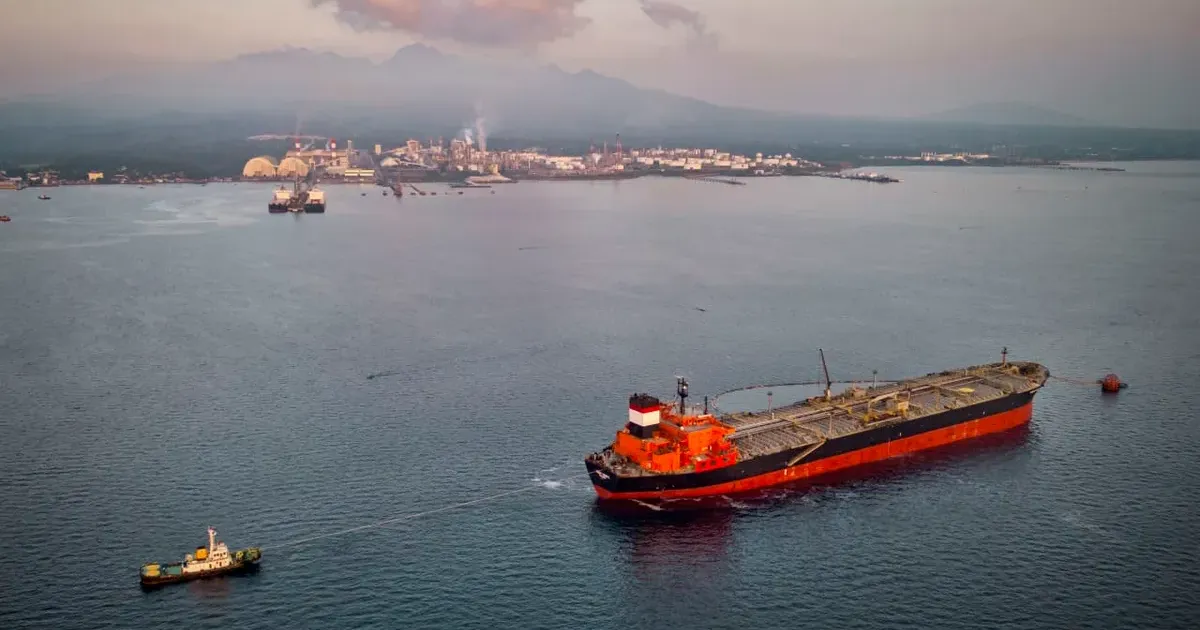
Energy markets led the downward moves as Brent crude dropped below the psychologically significant threshold of $100. MarketWatch reported that prices reached their lowest levels in the current cycle shortly before a scheduled address by Trump. This price correction reflects a belief that the supply disruptions in the Persian Gulf will soon subside. Crude oil inventories in the United States reached a three-month high as speculative buying dried up.
Oil Prices Drop Below One Hundred Dollars
Commodity traders moved quickly to price in the return of Iranian barrels to the global market. While Bloomberg previously indicated that supply constraints would persist, the recent statements from Pezeshkian altered that calculus. Iranian officials hinted at a willingness to resume full exports if sanctions relief forms part of the ceasefire agreement. Oil prices plunged by 6% in a single trading session, easing fears of a prolonged inflationary spike. Shipping insurance premiums for tankers in the Strait of Hormuz also began to retreat.
Inflation expectations across the developed world fell alongside the energy slide. Lower fuel costs provide central banks like the Federal Reserve and the Bank of England more room to maintain current interest rates. Economists at several major banks adjusted their year-end inflation forecasts downward by half a percentage point. This shift in the macroeconomic backdrop provided the necessary fuel for a synchronized rally in global equities. Consumers in the United States and Europe expect a decline in retail gasoline prices by mid-month.
Uncertainty continues to cloud the path toward a permanent resolution.
Asian and European Equity Markets Rebound
Asian stocks recorded their most meaningful single-day gain in nearly a year as news of the diplomatic breakthrough reached Tokyo and Hong Kong. Japan’s Nikkei 225 index jumped 4.2% while the Hang Seng index in Hong Kong climbed 3.8%. Bloomberg data showed that technology and manufacturing sectors led the surge. Investors in the region are particularly sensitive to energy costs, and the prospect of $98 oil boosted corporate profit outlooks across the continent. Regional currencies also stabilized against the dollar.
European government bonds climbed rapidly, sending yields tumbling across the continent. Investors flocked to UK Gilts and German Bunds as inflation fears dissipated. Lower yields reflect a market belief that the peak of the interest rate cycle has passed. The London Stock Exchange saw heavy volume in banking and industrial stocks as traders anticipated a recovery in intra-regional trade. French and Italian sovereign debt spreads narrowed sharply compared to the German benchmark.
Underlying Economic Vulnerabilities Persist
Beneath the surface of the market rally lies a layer of caution regarding the sustainability of these gains. Bloomberg sources noted that the current euphoria might ignore the structural damage caused by months of high energy prices. Manufacturing output in the Eurozone remains at historical lows despite the recent drop in input costs. Supply chains remain fragile, and the logistics of restoring Iranian oil exports could take several months to fully realize. Some fund managers expressed concern that the relief rally is overextending itself.
"A worldwide stock surge is masking deeper anxiety over the global economic outlook that may cut the relief rally short," reported Bloomberg.
Analysts at MarketWatch pointed out that the $98 oil price is still historically high compared to pre-conflict levels. High debt loads in emerging markets continue to present a systemic risk if the dollar stays strong. The geopolitical situation in the Middle East is still fluid, and any breakdown in talks would likely cause an immediate price spike. Defensive sectors like healthcare and utilities lagged behind during the rally, suggesting that some institutional investors are not yet fully convinced of a long-term recovery. Profit taking began in late afternoon trading in New York.
Political considerations in Washington and Tehran will determine the next phase of market movement. Donald Trump faces pressure to secure a deal that lowers energy costs before the next election cycle. By contrast, Masoud Pezeshkian must balance diplomatic concessions with domestic hardline opposition. The resilience of the global financial system depends on the successful implementation of the proposed ceasefire. Traders are now focusing on the specific terms of the deal rather than the broad headlines of peace.
Relief Rally Still Carries Risk
Market cycles often ignore the messy reality of diplomatic friction in favor of short-term profit taking. The current surge in global equities is less a reflection of economic health and more a collective sigh of relief from a market that was prepared for a total collapse. While the drop in oil prices is a welcome change for central bankers, the fundamental weaknesses of the global economy have not vanished. Inflationary pressures are merely hibernating, not dead. The structural deficit in global energy production persists, and a temporary truce in the Persian Gulf does not solve the long-term supply crunch. Investors who buy into this rally are betting on a level of geopolitical stability that the Middle East rarely provides.
Diplomacy is a fickle driver for capital markets. The rapid appreciation of UK Gilts and Asian equities assumes that Donald Trump and Masoud Pezeshkian can manage a minefield of domestic political constraints. If the upcoming address in Washington fails to deliver a concrete timeline for de-escalation, the correction will be swift and brutal. We are looking at a market that is priced for perfection in a world that is anything but. The smarter play is to maintain liquidity and prepare for the inevitable return of volatility. A fragile truce.