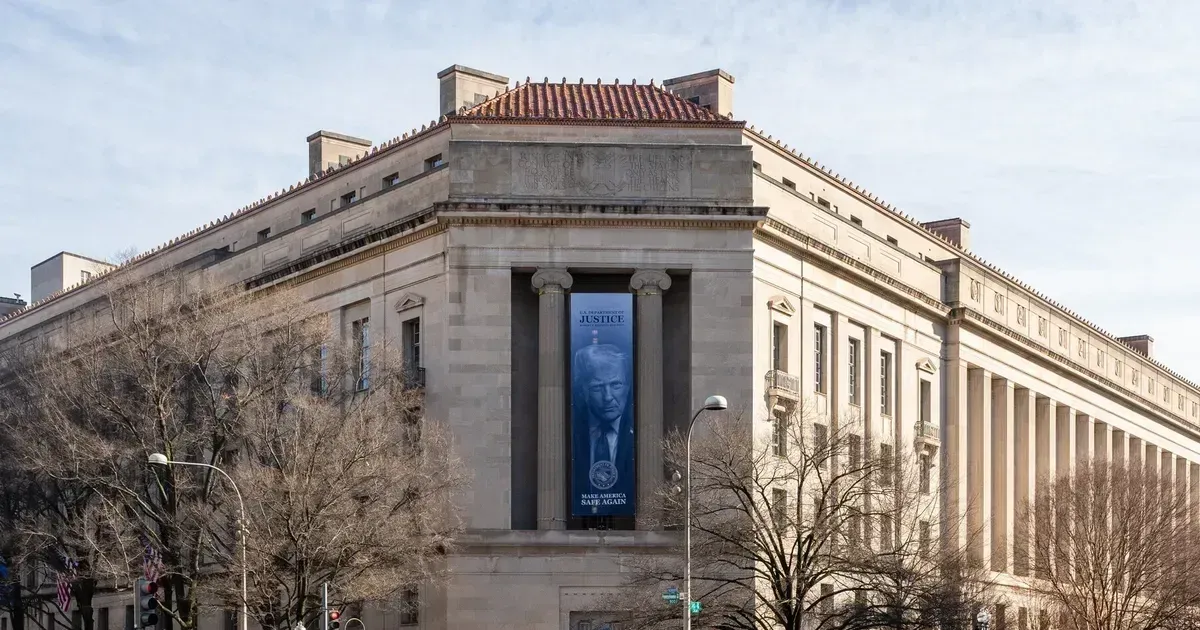
Career attorneys at the Department of Justice are navigating a landscape of deepening skepticism as citizen panels and federal judges question the motives behind new filings. Indictments that once moved through the system with relative ease now face more rigorous interrogation by grand jurors. Evidence of this shift surfaced in several federal districts on May 26, 2026, where the traditional deference granted to government investigators has begun to erode. This friction follows persistent allegations that the executive branch has leveraged law enforcement mechanisms to shield political allies and penalize detractors.
Prosecutors in Washington and other major hubs report a cooling in their relationship with grand juries, which serve as constitutional gatekeepers for felony charges. While these panels historically approved the vast majority of government requests, recent sessions have seen members asking detailed questions about the origins of specific probes. Some jurors have voiced concerns that they are being used to validate politically motivated grievances. The traditionally secret and cooperative atmosphere of the grand jury room has changed into a site of institutional friction.
Judges are similarly tightening their grip on the legal process. In recent months, motions that would typically be dismissed without a hearing are being granted oral arguments. Jurists appear increasingly wary of allowing the Justice Department to proceed with cases where the underlying evidence seems thin or the timing aligns suspiciously with political cycles. Donald Trump has frequently called for the prosecution of his political opponents, and those statements are now appearing in defense motions across the country.
Resistance Within the Grand Jury Room
Citizens tasked with reviewing evidence now approach their duties with a level of suspicion that was once rare. Grand juries operate under the Fifth Amendment to ensure the government cannot pursue frivolous or malicious prosecutions. Internal memos from various U.S. Attorney offices suggest that the time required to secure an indictment has increased by nearly 30 percent in some jurisdictions. Jurors are no longer satisfied with a simple summary of the facts from a lead agent. They are demanding to see original documents and hear from a wider array of witnesses before casting a vote.
"Confidence in the impartiality of federal law enforcement is a requirement for the functioning of our grand jury system," according to a recent brief filed in the U.S. District Court.
Defense attorneys have seized on this environment, filing more frequent motions to dismiss based on claims of selective prosecution. While such motions are rarely successful, the fact that judges are entertaining them for longer periods suggests a shift in the judicial mindset. Legal experts note that the presumption of regularity, a doctrine that assumes government officials act in good faith, is under severe strain. If a prosecutor cannot demonstrate a clear, non-political reason for a charge, the case risks being stalled before it ever reaches a trial jury.
Preserving Prosecutorial Independence
Maintaining the line between law enforcement and politics has become the primary challenge for career staff. Many prosecutors are concerned that the politicization of the department will have long-term effects on their ability to enforce the law fairly. Adhering to established guidelines has become a survival strategy for those who wish to remain in the civil service. Despite these efforts, the perception of bias persists. Every decision to charge a leading figure or drop a case against a presidential associate is now viewed through a political lens by the public and the courts.
The resulting atmosphere has led to a decline in morale and an increase in resignations among senior trial attorneys. These departures often leave complex cases in the hands of less experienced staff, further complicating the department's ability to secure convictions. When the Justice Department loses the trust of the citizens it relies on to return indictments, the core mechanics of federal law enforcement begin to slow. The long-term impact on the federal judiciary could be a permanent shift away from the deference that once defined the relationship between the bench and the government.
Institutional Trust Test
The enduring legal principle known as the presumption of regularity is the foundation of routine federal enforcement. In the absence of clear evidence to the contrary, courts usually presume that government officials have properly discharged their duties. That presumption is now weaker in cases involving political figures, especially when public statements from elected leaders appear to overlap with charging decisions. Prosecutors are therefore forced to litigate the motive behind an investigation alongside the facts of the alleged crime.
A justice system that functions on skepticism instead of trust creates a substantial bottleneck for the executive branch. If political leaders continue to frame the Justice Department as a tool for rewarding allies or targeting rivals, grand jurors and judges may keep raising the evidentiary burden before cases move forward. That does not end federal enforcement, but it changes its speed, cost and credibility at a moment when public confidence is already fragile. The added scrutiny may slow some filings, but it can also protect legitimate cases by forcing prosecutors to document a clear path from evidence to charge before politics overwhelms the record.