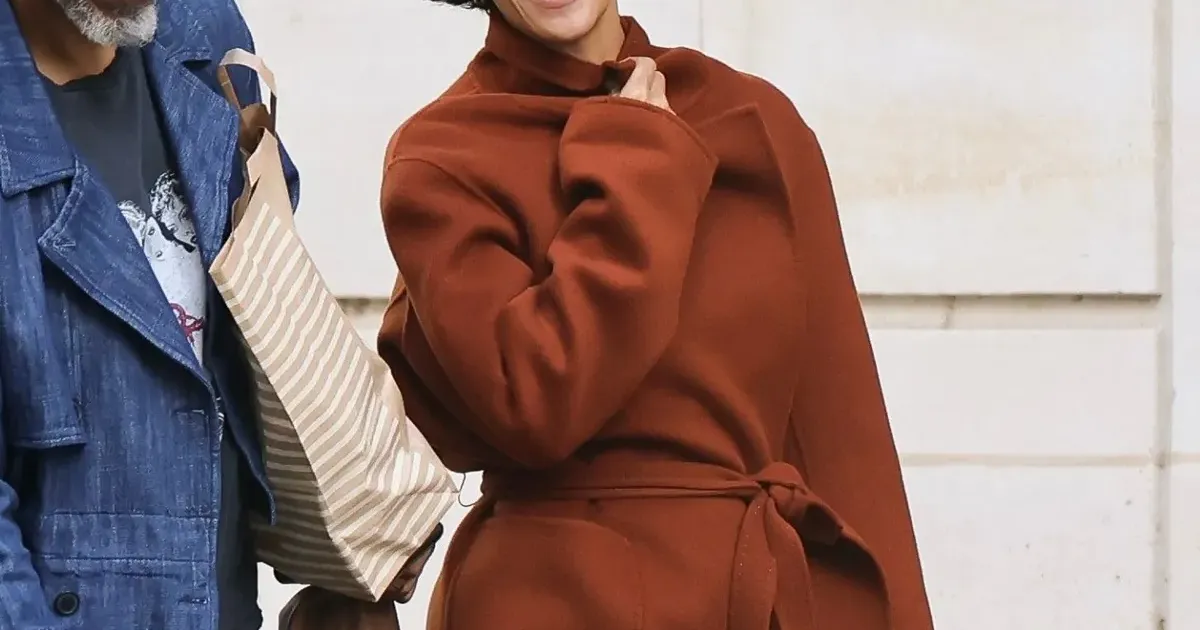
Halle Berry's French bob worked because it was both a character choice and a beauty signal. Vogue reported that Berry debuted a chocolate-brown, cheekbone-length bob by hairstylist Renato Campora for her Paris-set project Fleur, directed by Ellie Foumbi.
The look did not need inflated salon data to read as a spring reference. It had enough on its own: a defined silhouette, darker tone, a Paris setting and an actor known for using hair as part of character building.
The Role Gives The Cut A Story
The Fleur connection matters. Berry is not only changing hair for a trend post; she is building a character. Vogue described the film as following an American woman who leaves a long marriage and reinvents herself in Paris, which gives the haircut narrative weight.
Beauty audiences often respond to a transformation framed this way because it is easy to repeat: Paris, reinvention, shorter shape, darker color. The image becomes more useful than a vague seasonal trend forecast.
The Cut Is Repeatable Enough To Travel
Not every celebrity haircut becomes a salon reference. Some looks are too tied to a red-carpet costume, a wig, a fantasy color or a face shape most clients cannot translate. Berry's bob is different because stylists can adapt it.
The cheekbone-to-jaw range, soft movement and chocolate-brown tone can be adjusted for texture, density and lifestyle. That makes it a practical reference image rather than a one-off celebrity moment.
It also gives clients a better consultation starting point. Instead of asking for a vague short haircut, they can talk through where the bob should hit, how much movement it needs, whether bangs make sense and how often the shape will require trimming.
The color matters too. Chocolate brown keeps the cut grounded and makes the shape easier to read in photographs. It gives the bob polish without pushing it into a high-maintenance fantasy shade that would be harder for ordinary clients to maintain.
The French Bob Keeps Returning For A Reason
The French bob is durable because it balances polish and ease. It can be worn sleek, tucked, waved or slightly undone. It can handle bangs or no bangs. It can look sharp without requiring waist-length maintenance.
For clients tired of long layers but not ready for a severe pixie, it sits in the middle: visible change, manageable risk. Berry's version strengthens that familiar appeal without making the style feel inaccessible.
A Trend Works Through Translation
The reference does not mean everyone should copy Berry's exact cut. Face shape, curl pattern, cowlicks and styling habits matter. A good stylist will adjust length, weight and movement instead of forcing the reference onto every head.
Berry's bob landed because it gives people a clear picture of change. A sharp bob in Paris, tied to a new role and worn by an actor with real hair-history authority, is exactly the kind of reference that can move from magazine page to salon chair. It is a trend signal because it is specific, not because it claims to reinvent hair.