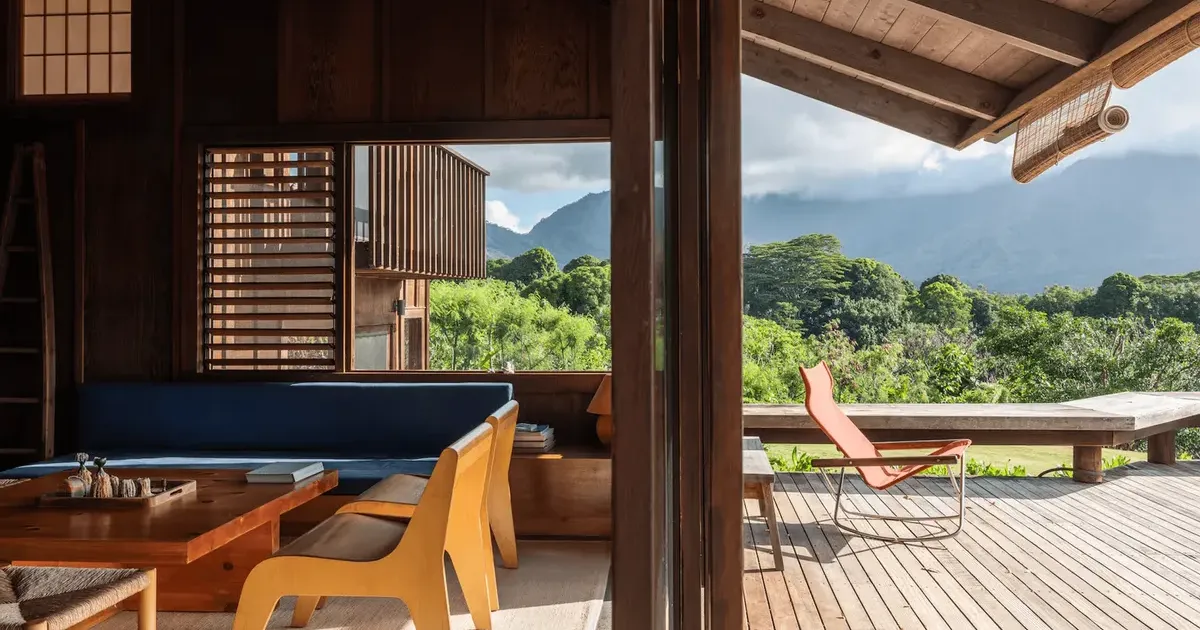
Hawaii hospitality records for April 4, 2026, show a distinct shift toward isolated estates in Kauai and Kona as travelers prioritize gated seclusion over traditional resort stays. Demand for $15,000 per night rentals persists despite evolving local legislation aimed at curbing short-term occupancy in residential zones. Individual properties across the archipelago now serve as self-contained micro-resorts, offering curated experiences that bypass the crowded lobbies of Waikiki or Wailea. Industry data highlights a growing preference for multi-generational compounds that provide security alongside deep immersion in the Pacific landscape.
Kauai continues to serve as the leading destination for those seeking rugged privacy on the North Shore. Estates located within Princeville and Hanalei dominate the ultra-luxury segment, where the dramatic cliffs of the Na Pali coast create a natural barrier from the outside world. Modern travelers view these villas not only as lodging but as strategic assets for privacy. Market analysts note that the exclusivity of the Garden Isle remains its strongest selling point, particularly as inventory remains limited by strict environmental zoning.
Property values in these remote enclaves have resisted broader economic fluctuations. Kona and the surrounding Kohala Coast on the Big Island represent the peak of volcanic luxury. Development here often incorporates black lava rock into architectural designs, creating a visual bridge between the built environment and the ancient terrain. Kona remains a hub for sprawling estates that use open-air floor plans to maximize trade wind cooling. These villas frequently include private chef services and dedicated concierges, mirroring the amenities of high-end hotels while maintaining a fortress of solitude for the occupants.
Kauai North Shore Inventory and Environmental Limits
Restricted development rights on the northern edge of Kauai have turned existing villa inventories into prized commodities. Preservation efforts and the designated conservation status of much of the land prevent new large-scale construction projects. As a result, existing homes in areas like Haena or Kauai see frequent interior renovations to keep pace with the expectations of the global elite. These renovations often include high-speed satellite connectivity and sustainable energy systems to ensure autonomy during potential tropical weather disruptions.
Investors focus on properties with direct beach access, which are increasingly rare under current coastal management policies. Public access laws in Hawaii ensure that no beach is entirely private, yet the geographical isolation of North Shore villas provides a functional level of anonymity. Security details often favor these locations because the single-access roads leading to the most remote estates allow for easier monitoring of incoming traffic. Privacy, in this context, is a physical reality dictated by the sheer verticality of the surrounding mountains.
While Kauai offers lush greenery, the lack of infrastructure can complicate the logistics of high-end property management.
Conde Nast Traveler reported that these 11 properties from Kauai to Kona offer travelers a private slice of the Pacific.
Supply chain constraints for luxury building materials often delay maintenance schedules on the islands. Managing $11 million estates requires a specialized workforce capable of addressing saltwater corrosion and humidity-related wear. Elite management firms now employ full-time staff dedicated solely to single-villa portfolios, ensuring that every mechanical system functions flawlessly before a guest arrives. This level of oversight is mandatory given the high expectations of the clientele.
Big Island Kona Coast Real Estate Performance
Geological stability and expansive acreage define the appeal of the Kona-Kohala corridor. Unlike the densely packed neighborhoods of Honolulu, the Big Island allows for horizontal sprawl that accommodates expansive infinity pools and private tennis courts. Large families or business groups frequent these villas because they provide ample space for both social interaction and individual retreat. The contrast between the dark basaltic plains and the vibrant turquoise of the Pacific provides a sensory experience unique to this specific coastline. Luxury travelers often compare independent villa investments to established properties like the Andaz Maui at Wailea Resort.
Market participation in Kona remains high among Silicon Valley executives and West Coast entrepreneurs. Proximity to private jet terminals at Ellison Onizuka Kona International Airport enables rapid arrivals and departures, an essential factor for time-sensitive travelers. Several estates within gated communities like Kukio or Hualalai operate under strict nondisclosure agreements, protecting the identities of their high-profile residents. These enclaves function as private ecosystems where the wealth of the owners is shielded from public view. Architecture on the Big Island has moved toward a minimalist aesthetic that honors the island's natural textures.
Direct action by local government aims to address the housing shortage for permanent residents. This regulatory pressure makes existing, fully permitted luxury villas even more valuable. Properties with grandfathered rental rights command a premium because they offer a guaranteed revenue stream in an increasingly restricted market. Owners who can navigate these legal complexities find themselves in possession of a shrinking asset class that continues to see high demand from international tourists. Zoning battles have transformed the Maui real estate market into a high-stakes arena for legal experts.
Potential buyers now conduct extensive due diligence on a property's permit history before making an offer. The cautious approach has slowed the pace of transactions but has not diminished the underlying value of the land. The allure of Maui remains strong, particularly for those who appreciate the mix of high-end dining in Lahaina and the quiet beauty of the Upcountry hills. Maintaining a villa in this environment requires a deep understanding of both the physical terrain and the political climate. Oahu offers a different flavor of luxury that combines urban sophistication with tropical aesthetics. Beachfront villas near Diamond Head or in the Lanikai neighborhood provide immediate access to the cultural heart of the islands. These properties often feature historical architecture that reflects the mid-century modern influence prevalent in Honolulu's elite circles. Unlike the remote estates on the outer islands, Oahu villas allow for quick transitions from a private beach to a world-class restaurant in the city center.
Short-term rental restrictions on Oahu are among the strictest in the state. Enforcement teams actively monitor online listings to ensure compliance with the 30-day minimum stay requirements in most residential areas. This has led to a shift toward long-term luxury leasing where wealthy individuals occupy a villa for several months at a time. The transition from transient tourism to seasonal residency is changing the social fabric of neighborhoods like Kahala, where the sound of rolling suitcases is replaced by the quiet presence of long-term neighbors. Security and discretion are the hallmarks of the Oahu luxury market. Properties in Lanikai are tucked away behind lush tropical foliage, offering a view of the Mokulua Islands that is globally recognized. Navigating the narrow streets of this neighborhood can be difficult, which acts as a natural deterrent to casual tourists. For the villa owner, this seclusion is a main asset. Every window is positioned to capture a specific angle of the sunrise or a particular stretch of white sand, ensuring that the visual experience is curated to the highest degree.
Hawaii Villa Growth Tests Island Capacity
Hawaii's villa market brings high-value tourism, but it also intensifies pressure on land, staffing and infrastructure. The question is whether luxury growth can be managed without crowding out local housing needs.