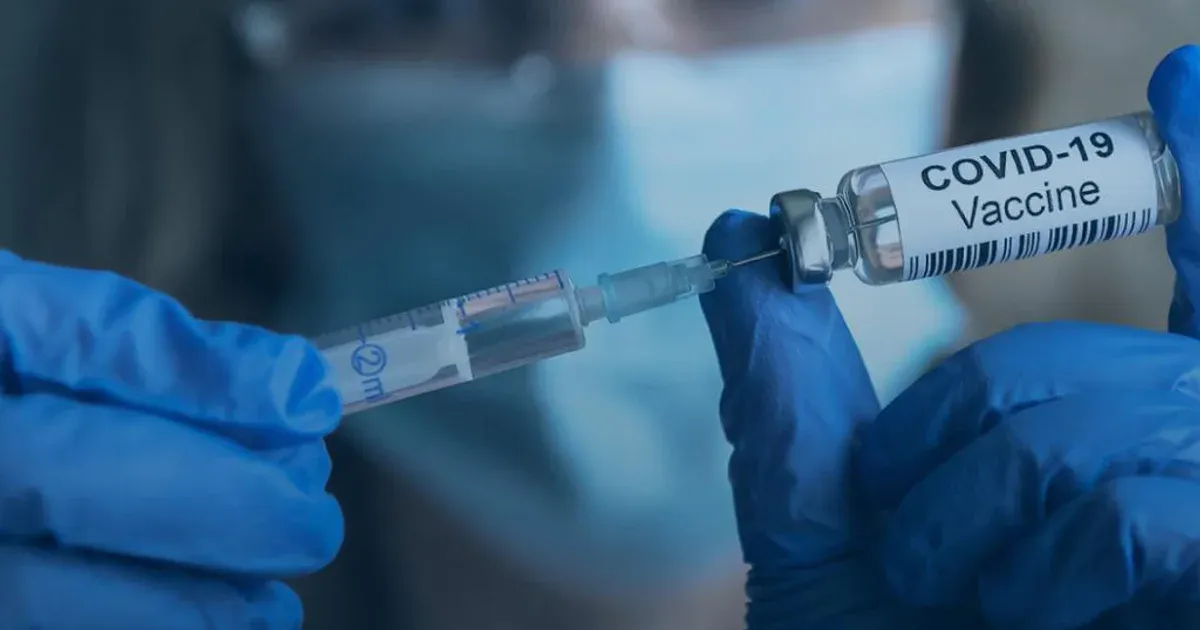
A proposal to stop federally recommending Covid-19 mRNA vaccines was no longer moving forward, according to a March 11, 2026 report based on unnamed sources familiar with internal deliberations. That is narrower than saying federal advisers abandoned a safety review altogether.
The distinction matters because the Advisory Committee on Immunization Practices had publicly listed vaccine safety, effectiveness and possible manufacturing impurities among the topics for its Covid-19 workgroup. A reported policy retreat did not erase that published mandate.
The Report Concerned a Recommendation, Not Approval
The Washington Post reported that some ACIP members had considered a vote to withdraw the federal recommendation for Covid-19 mRNA vaccines. The newspaper said that option was no longer advancing, citing two people familiar with the matter who were not named because they were describing internal discussions.
The Post also reported that Food and Drug Administration Commissioner Marty Makary opposed such a move, attributing that detail to an unnamed administration official. These are reportable claims from a major news organization, but they should remain attributed rather than recast as public minutes or confirmed votes.
ACIP advises the Centers for Disease Control and Prevention on which vaccines people should receive and when. The FDA separately decides whether a vaccine is approved. A change in ACIP's recommendation could affect access and coverage, but it would not itself revoke an FDA approval.
HHS Said the Existing Recommendation Had Not Changed
An HHS spokesperson told the Post that there had been no change to the Covid-19 vaccine recommendation adopted in September 2025. Under that policy, vaccination was placed under shared clinical decision-making rather than a universal recommendation for everyone aged six months and older.
The spokesperson also said FDA approval for high-risk groups and ACIP's shared-decision recommendation were compatible. That official response confirms the public policy position; it does not reveal why any internal option was advanced or dropped.
The original article invented that missing explanation. It asserted that government lawyers warned of massive litigation, pharmaceutical pressure changed the outcome, a bipartisan Senate group intervened and an anonymous committee member described a search for a “smoking gun.” None of those details appeared in the cited report.
ACIP's Published Work Still Included Safety Questions
CDC's ACIP workgroup page, updated January 28, 2026, said the Covid-19 group would review safety and efficacy evidence, adverse events and knowledge gaps. Its listed scope also included potential impurities such as DNA contamination and endotoxins and their possible health effects.
That means “the review was abandoned” overstates what was known. The reported option to stop recommending the vaccines had stalled, while the committee's public work plan still contemplated reviewing evidence relevant to vaccine policy.
As of February 26, CDC listed the next ACIP meeting for March 18 and 19 and invited written and oral public comment. At the time of the Post report, no public vote had occurred on withdrawing the mRNA recommendation.
Residual-DNA Claims Require Evidence, Not Innuendo
Concern about residual DNA was not a new discovery by the 2026 committee. In a December 2023 response to Florida's surgeon general, FDA said minute residual DNA fragments are monitored as a product specification and that more than a billion administered mRNA doses had produced no identified safety concern linked to residual DNA.
FDA also said the cited guidance for DNA vaccines did not apply to trace DNA as an impurity in an mRNA vaccine. The agency described integration of minute fragments into a cell nucleus as implausible and pointed to its assessment of the manufacturing process and ongoing surveillance.
Regulators' conclusion can be challenged with reproducible measurements and clinical evidence. It cannot responsibly be overturned by asserting political intent, and it should not be shielded from scrutiny by treating every question as illegitimate.
The real accountability failure was opacity: an option capable of changing vaccine access was reportedly discussed without a public proposal, evidence table or vote. Anonymous-source reporting can expose that gap, but journalism cannot fill it with invented lawyers, secret pressure and imagined quotations. ACIP should publish the question, the evidence and each member's vote; anything less leaves both confidence and criticism hostage to speculation.