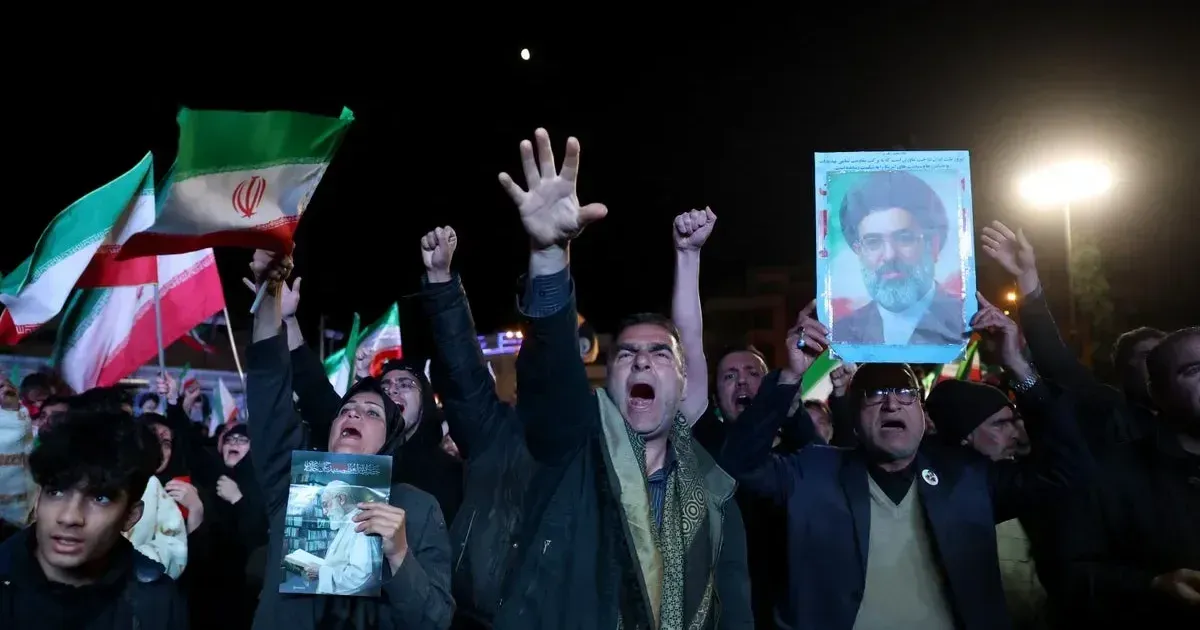
Pete Hegseth's claim that Iran sought peace after U.S. strikes gives the ceasefire a victory frame, but that language may make negotiations harder. Tehran can accept a pause more easily than it can accept a public story of humiliation.
The 14-day ceasefire was announced on April 8, 2026, after Operation Epic Fury and a renewed push for nuclear and maritime talks. The immediate question is whether the pause becomes a negotiated channel or only a rhetorical scoreboard.
Operation Epic Fury Reshapes Iranian Military Capacity
Air Force bombers and naval assets coordinated a multi-pronged assault that focused on air defense systems and naval facilities near the Strait of Hormuz. Satellite imagery verified by independent analysts shows extensive destruction at the Bandar Abbas naval base and several drone manufacturing sites. These strikes occurred over a 48-hour window before the ceasefire took effect. Pete Hegseth insisted that the operation successfully eliminated the immediate threat to international shipping. Pentagon officials suggest that the Iranian air force no longer possesses the capacity to patrol its own territorial waters effectively.
“Iran begged for this ceasefire following Operation Epic Fury, which rendered its military combat-ineffective,” Hegseth said.
Israeli Leaders Criticize Terms of Ten Point Peace Plan
Israeli officials expressed strong reservations about the two-week pause, fearing it provides Tehran time to regroup. The prime minister's office suggested that the confrontation left their regional nemesis standing and strategically stronger than before the strikes began. Israel had advocated for a more thorough dismantling of the Iranian nuclear program during the height of the escalation. Critics in Jerusalem argue that a short-term ceasefire serves only to prolong the inevitable clash between the two powers. Military leaders in the Jewish state continue to maintain a high state of alert along their northern borders.
Internal documents from the Israeli cabinet leaked to the press show a deep divide over the American decision to halt the offensive. Some ministers believe the United States prioritizes domestic political optics over the total neutralization of the Iranian threat. These officials pointed out that Iranian proxies, including Hezbollah, have not yet committed to the terms of the ten-point plan. Uncertainty regarding the involvement of these non-state actors complicates the enforcement of the truce. Security experts in Tel Aviv warned that any pause allows for the resupply of missile stockpiles through clandestine channels.
Military commanders in the region remain cautious because the Iranian Revolutionary Guard Corps still maintains decentralized sleeper cells. These units often operate independently of the central command structure in Tehran. Intelligence reports indicate that several mobile missile launchers were moved into underground bunkers before the first wave of Tomahawk missiles arrived. Such tactical retreats often signal an intent to preserve assets for future asymmetric warfare. Iranian state media portrays the military's current state as resilient, contradicting the narrative pushed by Washington.
Disagreements over the extent of the damage persist between U.S. intelligence and international observers. While Bloomberg suggests the Iranian grid is 60 percent operational, while reporting by Reuters indicates that power generation in major cities has dropped below 30 percent capacity. This discrepancy highlights the difficulty of assessing the true impact of Operation Epic Fury during an active information war. Pete Hegseth dismissed these concerns, pointing to the lack of Iranian retaliatory fire in the hours preceding the truce. Tehran maintains that its restraint was a diplomatic choice rather than a military necessity.
Analysts at Al Jazeera noted that the Iranian government is using the ceasefire to strengthen its diplomatic standing among neighboring Arab nations. By presenting a structured peace plan, Tehran aims to project an image of a rational actor seeking stability. This 10-point proposal includes provisions for prisoner exchanges and the establishment of humanitarian corridors. It also calls for a regional security conference that would exclude non-regional powers. Western diplomats view several of these points as non-starters for the United States, particularly those involving the withdrawal of naval fleets.
Nuclear proliferation concerns occupy the center of the current negotiations between U.S. and Iranian delegates. Pete Hegseth warned that the administration would take forceful action to secure Iranian enriched uranium if a permanent deal is not reached within the 14-day window. Washington demands that all stockpiles exceeding a 3.67 percent enrichment level be transferred to a neutral third party for monitoring. Tehran has historically rejected such demands as a violation of its national sovereignty. The current ceasefire depends entirely on the progress of these specific technical discussions.
Reports from the International Atomic Energy Agency suggest that Iranian scientists accelerated enrichment processes during the initial weeks of the war. These activities likely occurred in deep-mountain facilities that were shielded from the bulk of Operation Epic Fury. U.S. intelligence agencies believe that Tehran has enough material for at least three nuclear devices if further enrichment occurs. Hegseth reiterated that the United States would not allow the ceasefire to be used as a cover for finishing a bomb. Pressure from congressional leaders to maintain a hardline stance continues to influence the White House's negotiating team.
Victory Claims Make Diplomacy Harder
Victory claims can help a government explain restraint to its own supporters. They can also make the other side less willing to show flexibility at the table. That is the diplomatic problem now. The ceasefire needs quiet verification, but the public language around it is already pushing both sides toward harder positions.