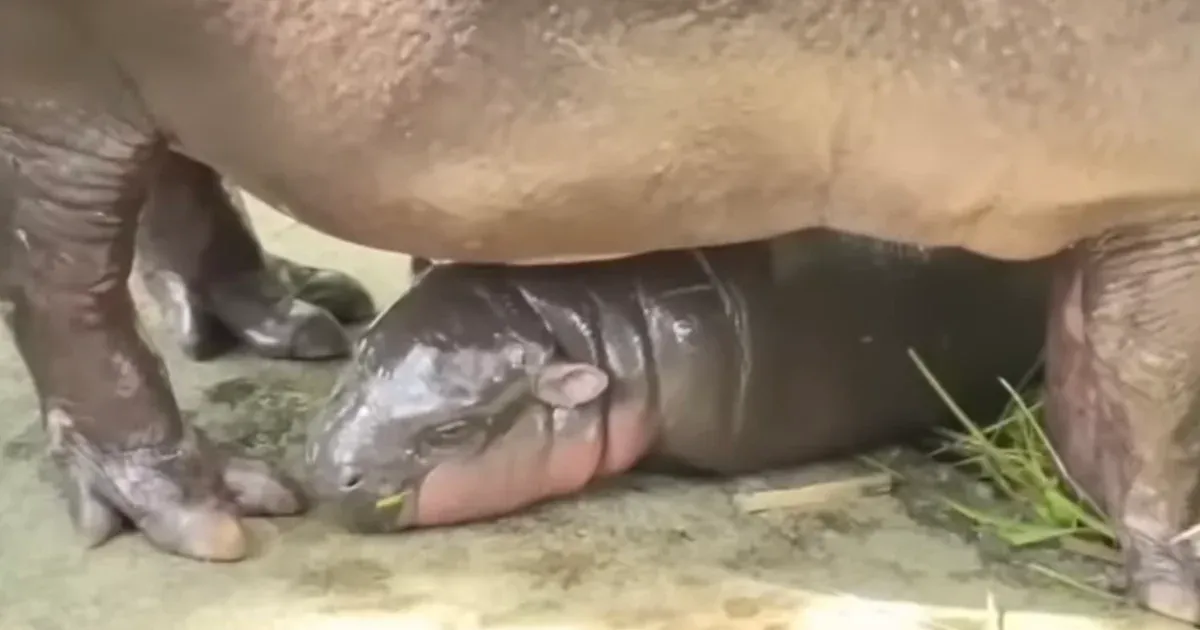
The fine in the Moo Deng trespass case turns a viral zoo story into a practical warning about animal safety. A visitor crossing into the enclosure created risk for himself, the pygmy hippo and the staff responsible for managing a crowded attraction.
Khao Kheow Open Zoo officials confirmed the court action on April 8, 2026, after security footage and witness reports were reviewed. The facility is now treating crowd control as part of animal welfare rather than only visitor management.
Legal Consequences for Harassing Protected Wildlife
Thailand maintains strict regulations regarding the treatment of animals in captivity, particularly species listed under conservation protection programs. The Wild Animal Reservation and Protection Act provides a framework for prosecuting individuals who disturb, harm, or endanger zoo inhabitants. Prosecutors argued that the intruder's actions constituted a direct threat to the health of the animal, as pygmy hippos are known for their skittish nature and sensitivity to human proximity. Legal experts suggest the $1,500 fine represents one of the stiffest penalties ever levied for a non-injurious zoo trespass in Thailand.
Judicial officials also considered the potential for physical harm to the intruder himself when determining the fine. While the pygmy hippo is smaller than its common counterpart, it possesses powerful jaws and sharp teeth capable of inflicting severe injuries. The court emphasized that the defendant not only risked the animal's welfare but also created a liability situation that could have resulted in a lethal response from security if the situation had turned violent. Deterrence through financial penalty is the primary goal of the verdict.
Viral Phenomenon Impacts Daily Animal Management
Animal care routines at the facility have shifted to accommodate the realities of digital fame. Zookeepers now perform most cleaning and feeding tasks behind screened areas to prevent crowds from gathering during vulnerable moments. Moo Deng, who became a meme due to her expressive reactions to water and food, requires a predictable schedule to maintain her physical health. Veterinary teams monitor her cortisol levels weekly to ensure the constant presence of cameras and spectators is not causing long-term physiological harm.
Digital platforms like TikTok and Instagram fueled the initial rise of the hippo, but the real-world consequences are felt on the ground in Chonburi. Merchandising revenue from the animal's likeness has funded several new conservation projects across the country. By contrast, the pressure to produce content for social media accounts has occasionally led to friction between the zoo's marketing department and the animal welfare staff. Biological needs must outweigh the demand for viral clips.
Future offenders may face even harsher punishments, including potential prison sentences, if the zoo moves to file civil litigation for damages. Lawyers for the zoo are currently drafting a code of conduct that all visitors must sign digitally when purchasing tickets. This document explicitly outlines the legal consequences of crossing barriers or throwing objects into enclosures. Breaking these rules constitutes a breach of contract, allowing the zoo to ban individuals for life.
Maintenance of the hippo's skin requires frequent hydration and specialized care, which becomes difficult when thousands of people are trying to watch every move. Pygmy hippos secrete a unique fluid that acts as a sunscreen and antibiotic, a process that can be inhibited by environmental stress. Staff members use handheld misters to keep her cool while maintaining a distance from the barrier. The zoo has restricted the use of flash photography to prevent startling the animals.
Wild populations of pygmy hippos are currently estimated to be fewer than 3,000 individuals worldwide. Found primarily in the dense forests of West Africa, the species faces existential threats from habitat loss and poaching. Captive breeding programs, such as the one at Khao Kheow, are essential for the survival of the genetic line. Any incident that jeopardizes a healthy breeding female like Moo Deng is seen as a setback for global conservation efforts.
Biological differences between the pygmy and common hippo make the former more susceptible to environmental changes. They are solitary creatures by nature, preferring the cover of vegetation to open water. The viral fame of a single individual often masks the reality that their species is close to extinction. Experts from the International Union for Conservation of Nature have used the attention on Moo Deng to advocate for better habitat protection in Liberia and Sierra Leone. Success in a zoo setting does not translate to safety in the wild. Genetic diversity remains a priority for the facility as it looks toward future breeding cycles. Moo Deng is part of a managed population where every individual is tracked to prevent inbreeding. High-profile incidents of human interference can disrupt these long-term scientific goals by forcing animals into isolation or relocation. Protecting the physical space of the enclosure is a fundamental requirement for the success of the species survival plan.
Viral Fame Creates Real-World Risk
Moo Deng's online fame can help conservation funding, but it also changes visitor behavior. A meme can make an animal feel familiar to millions of people who still have no right to cross a barrier. That is why the zoo's next step matters. Stronger partitions and timed viewing rules are not only about punishment; they are about keeping attention from becoming pressure on an endangered animal.