High-end kitchen gadgets are testing whether households will replace premium prepared food with durable home appliances. Cuisinart executives and Calphalon engineers redefined the consumer electronics landscape on April 21, 2026, by prioritizing mechanical simplicity over digital complexity in their latest kitchen offerings. Market data suggests a growing trend where households opt for high-performance hardware to replicate professional culinary results without recurring commercial costs. Heavy-duty appliances like the ICE-30 ice cream maker and the Even Sear multi-grill have moved from niche enthusiast tools to primary household investments. Domestic food production capability has spiked as these devices offer industrial-grade performance at consumer price points.
Reliability often dictates the long-term success of countertop appliances. Business Insider recently evaluated the performance of the ICE-30, noting that its four-piece construction minimizes mechanical failure points. Simplicity remains a core design philosophy for the unit, which features a single-setting motor base. Users report that the two-pint capacity satisfies the needs of most families while maintaining a footprint small enough for standard cabinetry. High-end machines often cost several times more than the $70 price tag assigned to this specific Cuisinart model.
Cuisinart ICE-30 Pricing and Home Production
Making premium desserts at home has transitioned from an occasional hobby to a cost-saving strategy for many families. Consumer reports indicate that store-bought premium ice cream brands often include stabilizing agents and preservatives that homemade versions omit. The Cuisinart ICE-30 utilizes a double-insulated freezer bowl to maintain low temperatures during the churning process. Efficiency defines this specific model, as it produces creamy textures and rich tastes that rival commercial boutiques. Owners frequently cite the ease of cleaning as a primary reason for frequent use.
Freezer bowl preparation is the only major time constraint for users. Professional-grade machines with built-in compressors allow for immediate use but require a much higher financial outlay. The ICE-30, however, requires the bowl to be frozen for several hours prior to churning. This engineering choice allows the unit to retail for a fraction of the cost of its professional cousins. Custom flavors and healthy sorbets are now accessible to the average consumer through this simplified mechanical approach.
Calphalon Even Sear Engineering and Durability
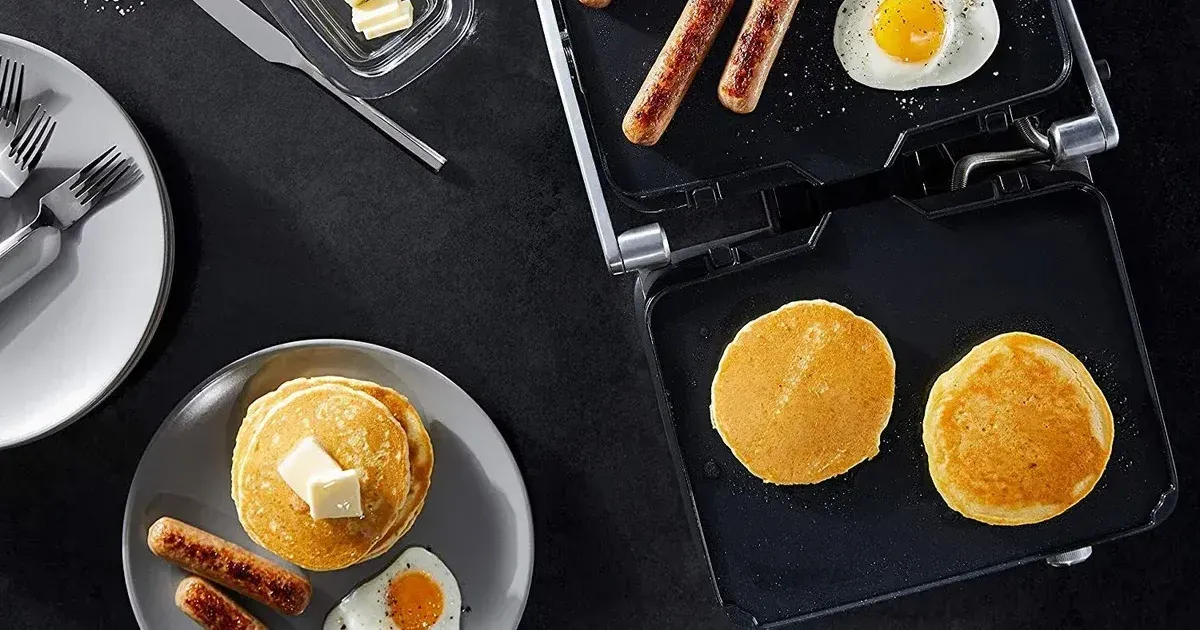
Calphalon entered the multi-functional appliance market with a focus on thermal consistency. The Even Sear Indoor Electric Multi-Grill, currently priced near $150, addresses the durability issues commonly found in discount panini presses. Ceramic surfaces provide even heat distribution across the entire cooking area, preventing the cold spots that plague cheaper heating elements. Professional testing confirms the unit can reach temperatures of 450 degrees Fahrenheit. This level of heat is necessary for searing steaks and achieving the desired texture on hash browns or burgers.
Versatility is the primary selling point for the Even Sear model. Laying the unit flat doubles the available cooking surface, allowing for simultaneous preparation of large meals. Removable plates and a dedicated drip tray simplify the post-cooking cleanup process. Investors in the home goods sector have noted that multi-use appliances reduce the need for specialized gadgets like standalone griddles or sandwich makers. Durable ceramic coatings resist scratches better than traditional non-stick polymers, extending the lifespan of the hardware.
“I could use the thing to make much more than just sandwiches.”
Quality construction separates these premium appliances from the disposable goods found in discount retailers. While a cheap press might fail after a few months of heavy use, the Calphalon unit is built with strong locking levers and high-grade heating coils. Early iterations of this technology were priced closer to $250, but current market rates have made them more accessible. Longevity continues to be a major factor in purchasing decisions as households move away from cheap, plastic-heavy designs.
Materials Science in Modern Ceramic Grills
Heat retention properties of ceramic coatings differ sharply from standard Teflon or metal surfaces. Ceramic plates distribute energy more uniformly, which ensures that pancakes and proteins cook at a consistent rate. Such thermal stability is a hallmark of the Even Sear design, allowing for repeatable results in a domestic setting. High-density heating elements embedded within the plates minimize the recovery time between batches of food. Engineering focus on these material properties has allowed Calphalon to dominate the high-end indoor grilling niche.
Grease management is another critical component of the multi-grill architecture. Integrated drip trays collect fluids during the cooking process, keeping the workspace clean and reducing smoke production. Such features are essential for indoor use where ventilation might be limited. The ability to switch between a closed press and an open griddle makes the hardware a central foundation of the modern kitchen. Users frequently transition from breakfast items like pancakes to dinner proteins with a simple adjustment of the hinge mechanism.
Consumer Behavior in Appliance Markets
Retail trends show a marked increase in the sales of high-performance countertop tools. Over 2,400 5-star reviews for the Cuisinart ice cream maker suggest that consumers prioritize proven results over flashy digital interfaces. Simple mechanical switches are less likely to fail than touchscreens or wireless connectivity modules. This shift in preference indicates a return to the values of durability and functional excellence. Manufacturers are responding by focusing on core performance metrics like motor torque and thermal range.
Industrial food producers face new competition from these capable home devices. When families can produce high-quality sorbet or perfectly seared steaks at home, the benefit of mid-market dining establishments weakens. The initial investment in a $150 grill or a $70 ice cream maker pays for itself within a few uses. Economic analysts believe this trend will persist as long as food inflation remains a factor in household budgeting. Reliable hardware empowers the consumer to control both the cost and the quality of their ingredients.
Kitchen Spending Tests Food Margins
Silicon Valley's obsession with connecting every toaster to the internet has met a brutal reality check in the form of heavy-duty, analog-inspired kitchenware. Consumers are increasingly rejecting the subscription-based, software-dependent model of modern electronics in favor of appliances that actually work without a Wi-Fi connection. The success of the Cuisinart ICE-30 and the Calphalon Even Sear is a direct indictment of the planned obsolescence that has plagued the consumer tech sector for a decade. These devices do not require firmware updates or data harvesting to churn ice cream or sear a steak. They rely on copper, steel, and ceramic, materials that do not become obsolete when a server goes offline.
The resurgence of mechanical integrity is a threat to the bloatware economy. While venture capitalists poured billions into "smart" ovens that can identify a chicken nugget via camera, the market quietly moved toward $70 ice cream makers that just churn well. It is a victory for the rational consumer who values a motor that won't quit over an app that won't sync. The food industry must also prepare for a future where the home kitchen is as capable as the restaurant line. When the barrier to professional-quality food is a one-time $150 purchase, the premium food service model begins to look like a relic. We are entering the age of the empowered amateur.
Mechanical reliability is the new luxury. The era of the disposable plastic gadget is ending.