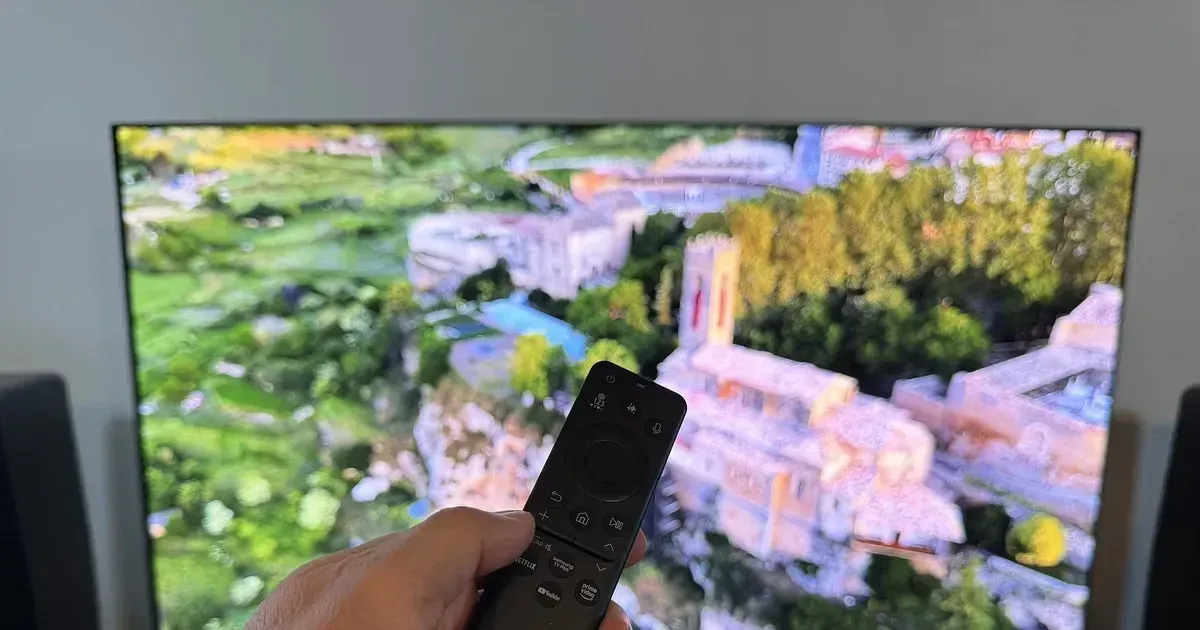
March 2026 marks a period of intense competition as major manufacturers adjust for the spring retail season. Samsung and LG are leading a surge in television sales while bedding companies like Nest Bedding struggle to maintain market share against budget rivals. Retailers have transitioned from winter clearance to aggressive lifestyle marketing. Analysts observe that household spending is shifting toward high-utility items that promise immediate domestic improvement. The convergence of major sporting events and warming temperatures has created a dual demand for entertainment technology and climate-regulating furniture. But the price of entry for these premium experiences continues to fluctuate based on component availability and shipping logistics. Television manufacturers are particularly active during this window. Early data suggests that the push for larger screens is driven by the upcoming basketball tournament schedules. Consumers are no longer satisfied with standard high-definition displays, preferring integrated systems that connect with their wider smart home infrastructure. This demand has forced legacy brands to integrate software features that were once considered optional extras. The software interface is only part of the equation.
Spring Spending Moves Into the Home
These units are designed to capture the attention of sports fans who prioritize immersive viewing over minimalist decor. Software reliability has become a battlefield for platform dominance.
The best smart TVs go beyond the basics by pairing excellent picture quality with reliable software.
Gaming consoles are now the secondary driver for TV upgrades.
Retailers Chase Practical Upgrades
Sleep health has moved from a niche concern to a multi-billion-dollar industry. As temperatures rise globally, the market for cooling mattresses has expanded beyond seasonal interest. Manufacturers are using high-tech materials like phase-change fabrics and copper-infused foam to manage thermal regulation. Material science is the backbone of modern bedding. Memory foam once dominated the industry, but its tendency to trap heat led to a consumer backlash. The industry shifted toward hybrid designs. These units combine the support of traditional coils with the pressure relief of foam. Casper and Leesa have improved these hybrids to enable airflow, which prevents the buildup of body heat during the night. A single night of poor sleep can impact a worker's productivity for several days. Budget-conscious consumers are looking for relief without the premium price tag. The Zinus Cooling Comfort Hybrid is priced under $300 to capture the entry-level market. While it lacks some of the complex pressure-relieving layers found in more expensive models, its focus on cooling provides a real benefit. This price point is essential for younger buyers who are furnishing their first homes. Many of these consumers are willing to sacrifice lifetime durability for immediate thermal comfort. Premium brands rely on extensive trial periods to justify their higher costs. This policy shifts the risk from the consumer to the manufacturer. Brands like Avocado and PlushBeds use these extended trials to prove the long-term viability of their organic materials. The way consumers discover these products has changed sharply. Editorial reviews now function as the primary gatekeepers for household purchases. Many major publications earn commissions when readers buy through their links, creating a complex relationship between journalism and commerce. Transparency regarding these affiliate links is now a legal requirement in many jurisdictions. But the influence of professional reviewers remains stronger than traditional television advertising. Trust is the most valuable currency in the digital marketplace. Consumer habits are evolving toward a research-heavy approach. Most buyers will read at least five professional reviews before committing to a purchase over $500. The behavior is particularly evident in the electronics and furniture sectors. Brands are investing more in providing review units to specialized labs. These labs use objective data like thermometer readings and color calibration tools to rank performance. Hard data often carries more weight than aesthetic appeal in the current economy. Supply chain stability is improving but remains sensitive to geopolitical shifts. Electronics rely on specialized semiconductors that are often sourced from a single geographic region. Meanwhile, the bedding industry is vulnerable to fluctuations in the price of raw commodities like natural rubber and cotton. Any disruption in these supply chains leads to immediate price hikes for the end consumer. Manufacturers are now keeping deeper inventories to buffer against these sudden shifts. Inventory management is a critical factor in maintaining competitive pricing during the spring surge. Inflationary pressures have forced manufacturers to find creative ways to maintain their margins. Experienced reviewers are quick to point out these changes, which can damage a brand's reputation. Specifically, the density of foam in mattresses and the peak brightness of TV panels are common areas for cost-cutting. Discerning consumers are looking for brands that maintain consistent quality standards.
Sustainability has become a mandatory component of product development. Buyers are asking about the recyclability of their old televisions and the biodegradability of their mattresses. Brands that fail to provide a clear end-of-life plan for their products are losing favor with younger demographics. The cost of sustainable manufacturing is often passed on to the buyer. The market is now split between those who can afford eco-friendly options and those who must prioritize initial cost. Economic disparity is reflected in the types of products households are able to purchase.
Regional differences in consumer preference remain sharp. US buyers often prioritize size and raw power, favoring 98-inch screens and king-sized mattresses. UK consumers often deal with smaller living spaces, leading to a higher demand for 55-inch premium OLEDs and compact hybrid beds. Manufacturers must tailor their regional offerings to match these architectural realities. A product that fails to fit in a standard apartment will never achieve mass-market success.
Innovation in the home goods sector shows no signs of slowing. As we move further into 2026, the integration of artificial intelligence into home appliances will likely become the next major trend. For now, the focus remains on real improvements like better cooling and clearer pictures. These are the features that consumers are willing to pay for in a challenging economic environment.
Household Demand Follows Utility
The current obsession with "smart" and "improved" living is less about human comfort and more about a desperate manufacturing sector trying to create an artificial upgrade cycle.
We should be skeptical of any product that requires a proprietary operating system just to show a movie or a chemical cocktail just to help us sleep.
True luxury is not found in a spec sheet; it is found in the things that work reliably without needing a firmware update or a cooling fan. The most complex choice a consumer can make in 2026 is to stop chasing the incremental and start valuing the durable.