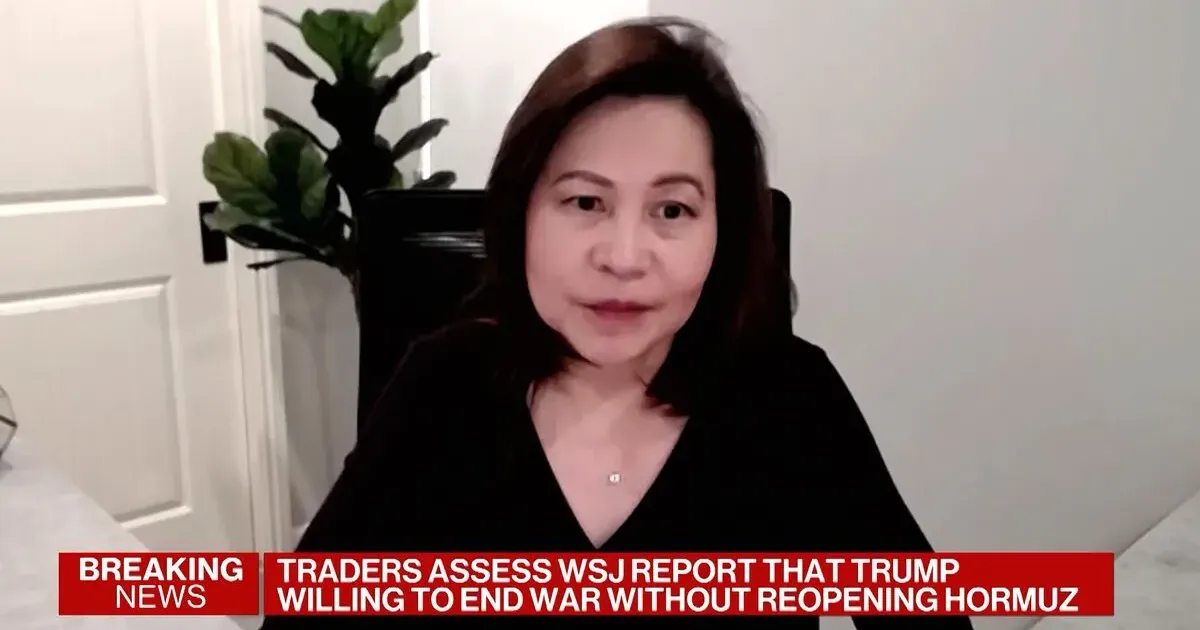
A reported $12 trillion wipeout across global market capitalization forced investors to revisit a question that sounds simple until a crisis answers it badly: what does diversification actually protect?
The answer became less comfortable as Iran-related war risk, oil pressure, shipping uncertainty and currency moves hit markets at the same time. Dina Ting of Franklin Templeton framed the moment as one that requires stronger portfolio construction, not blind retreat. The distinction matters. Investors cannot abandon risk entirely without abandoning return. They can, however, stop pretending that a long list of holdings automatically means a long list of independent risks.
The Shock Hit More Than Equities
The selloff mattered because it did not stay neatly inside one asset class. Geopolitical stress can lift oil, pressure import-heavy currencies, hurt airlines and industrials, raise freight concerns, unsettle emerging markets and pull money from crowded equity trades in one sweep.
The headline loss was therefore more than a paper number. It was a stress test of assumptions that had been quietly shared across portfolios: stable energy, open chokepoints, manageable inflation and central banks with enough room to soften the damage.
Diversification Failed Where Assumptions Matched
A portfolio can look diversified by region and sector while still depending on the same underlying condition. A U.S. tech holding, an Asian exporter, a European industrial and an emerging-market currency can all suffer if the common input is disrupted global trade.
Investors found the weakness there. Many positions carried different labels but similar exposure to cheap shipping, predictable fuel costs and calm capital flows. When those assumptions moved together, the diversification was thinner than the spreadsheet suggested.
Passive Portfolios Felt The Crowding Problem
Index investors are not immune to this. Passive exposure can be efficient and low-cost, but it also concentrates money in the same large names, the same benchmark weights and the same liquidity channels. When a broad shock hits, the index can become part of the exposure.
Passive investing is not inherently wrong. It means investors need to understand what they own inside the index: sector concentration, currency sensitivity, energy dependence, rate exposure and regional overlap.
Liquidity Became The First Defense
When volatility rises, many institutions raise cash, shorten duration and reduce crowded trades. The response can be rational. It can also deepen selling if too many funds try to de-risk at once.
Liquidity looks abundant until everyone needs it on the same day. The better discipline is not panic cash-raising after the shock. It is knowing in advance which losses the portfolio can absorb, which positions can be sold without damage and which hedges must be in place before protection becomes expensive.
Hedges Have A Timing Problem
Options, gold, short-duration government debt, safe-haven currencies and commodity exposure can all help in certain market regimes. None of them are free, and none of them protect against every version of a shock.
Protection bought after fear is visible often carries the highest price. Rebalancing after a wipeout is difficult for this reason: the investor is trying to repair the portfolio while the cost of repair has already risen.
Many Holdings Can Still Share One Risk
The $12 trillion figure is dramatic, but the deeper warning is structural. Owning many tickers is not the same as owning many risks. A portfolio can look broad and still be dangerously concentrated in one assumption: that global trade routes will stay open and energy will remain priced for peace.
The lesson is not to hide permanently in cash. It is to define risk in plain language before the next shock arrives. In this market, survival starts with knowing what can break at the same time.