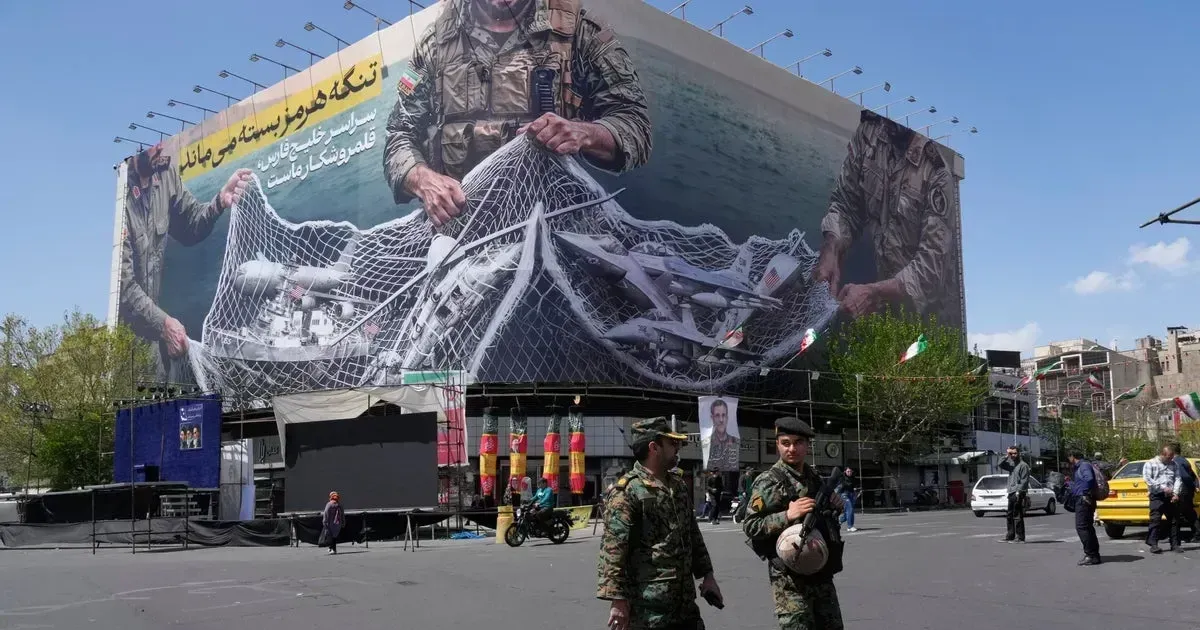
Tehran activated air defense systems as Iranian forces shuttered the Strait of Hormuz just hours after a fragile ceasefire agreement. Residents in the capital reported hearing anti-aircraft fire as batteries engaged unidentified targets. Officials in Alborz province confirmed similar activity near sensitive military sites. On April 8, 2026, these maneuvers coincided with a total blockage of the world's most critical energy artery.
Reza Sayah, a correspondent on the ground in Tehran, indicated that the sudden military posture reveals a breakdown in diplomatic communication. Sayah observed that the region is witnessing the first signs of fragility and confusion surrounding the cessation of hostilities. Iranian officials have not clarified if the air defense activity responded to an actual Israeli strike or was a precautionary measure. Israel continued operations in Lebanon throughout the night.
“The evidence points to the first signs of the fragility, complexity and confusion surrounding this ceasefire,” Sayah said.
Military command in Iran maintains that the closure is a direct response to continued aggression. Ships now idling in the Gulf of Oman have received orders to maintain distance from the Iranian coastline. Global markets reacted with immediate volatility as the standoff entered its second day. Analysts at major energy firms suggest that even a temporary closure could disrupt 20 percent of the global oil supply.
Iranian Forces Reactivate Air Defenses in Tehran
Anti-aircraft batteries in Tehran and Alborz province began firing late in the evening. This sudden mobilization disrupted the calm that had followed the U.S.-brokered ceasefire announcement. Reports from local witnesses suggest the sky lit up with tracer fire and missile launches for approximately 40 minutes. No casualties have been officially confirmed by the Iranian Ministry of Interior.
Security forces in the Alborz region cordoned off roads leading to industrial complexes. These areas house critical research facilities and communication hubs. Iranian state media has described the activity as a test of readiness. Independent observers, however, point to the timing as evidence of a deeper rift within the Iranian leadership regarding the ceasefire terms.
Defense analysts in Washington are scrutinizing satellite imagery to determine if any strikes hit Iranian soil. Initial data from thermal sensors suggest multiple heat signatures consistent with surface-to-air missile launches. No evidence of incoming munitions has been publicized by regional monitoring groups. The activation of these systems suggests a state of high alert across the western provinces.
Maritime Toll Demands Block Global Oil Supply
Preconditions for reopening the waterway now include a controversial financial component. Iran is demanding the right to collect tolls from every commercial vessel transiting the Strait of Hormuz. International maritime law generally prohibits such levies in straits used for international navigation. This proposal has met immediate resistance from the International Chamber of Shipping.
Negotiators in Tehran argue that the tolls are necessary to offset the costs of maritime security. They claim the revenue would fund environmental protection and search-and-rescue operations. Western diplomats view the move as an attempt to bypass international sanctions. Vessels carrying crude oil would face the highest fees under the proposed Iranian schedule. Such a system would add billions of dollars to global shipping costs annually.
Washington has rejected the toll proposal as a violation of sovereign navigation rights. Department of State officials warned that accepting such a system would set a dangerous precedent for other global chokepoints. Trade through the Suez Canal and the Strait of Malacca could face similar threats if Iran succeeds. Beijing has yet to issue a formal statement on the toll plan despite its reliance on the route for energy imports.
International Leaders Question Ceasefire Viability
Keir Starmer, the British prime minister, addressed the crisis during a press conference at 10 Downing Street. Starmer acknowledged the difficulty of the current situation and emphasized the need for continued diplomatic pressure. Starmer stated that there is still a lot of work to do before the Strait of Hormuz can be deemed safe for civilian transit. British naval assets in the region remain on high alert.
Israeli officials have not commented on the air defense activity in Tehran but confirmed they are monitoring the situation. Military strikes in Lebanon targeted Hezbollah infrastructure earlier in the day. These operations occurred within the window of the supposed ceasefire with Iran. Regional volatility has prevented shipping insurers from issuing new coverage for the Persian Gulf.
Diplomacy remains stalled as both sides refuse to yield on the toll issue. United Nations mediators have proposed a temporary monitoring mission to oversee the waterway. Tehran has rejected the inclusion of any foreign military observers. The deadlock has forced several major carriers to declare force majeure on existing contracts. Freight rates for alternative routes have tripled since the closure began.
Logistics companies are now rerouting tankers around the Cape of Good Hope. This detour adds 12 days to the journey between the Middle East and European ports. Increased fuel consumption and labor costs are expected to raise consumer prices across the continent. Small-scale energy importers in South Asia are already reporting shortages.
Future stability in the region depends on the successful resolution of the maritime dispute. Iranian officials insist that the ceasefire and the waterway reopening are two separate issues. Western leaders, meanwhile, view the reopening as the primary metric for the ceasefire's success. The gap between these two positions suggests a prolonged period of economic and military tension.
Shipping Risk
Diplomatic optimism has once again crashed against the reality of Iranian leverage. Negotiators who believed a cessation of kinetic strikes would automatically restore maritime commerce clearly ignored the transactional nature of Iranian brinkmanship. By demanding tolls for passage through an essential global chokepoint, Tehran is seeking more than revenue. It is asserting a new form of maritime sovereignty that directly challenges the postwar international order.
Western powers find themselves in an unstable bind. If they accept the tolls, they normalize the use of global trade routes as political bargaining chips. If they refuse and attempt to escort tankers by force, they risk a full-scale naval conflict that neither side can truly afford. The 1982 United Nations Convention on the Law of the Sea was designed precisely to prevent this kind of extortion, yet its enforcement mechanism remains toothless against a state willing to shut down 20 percent of the global oil supply.
Failure to resolve this quickly will lead to a permanent restructuring of global energy logistics. Relying on the Strait of Hormuz will soon be viewed as an unacceptable risk for major economies. We are entering a period when the freedom of the seas is no longer a given, but a commodity to be bought or fought for. Tehran knows this. The ceasefire was never the end of the war; it was simply the start of the next phase of economic siege.