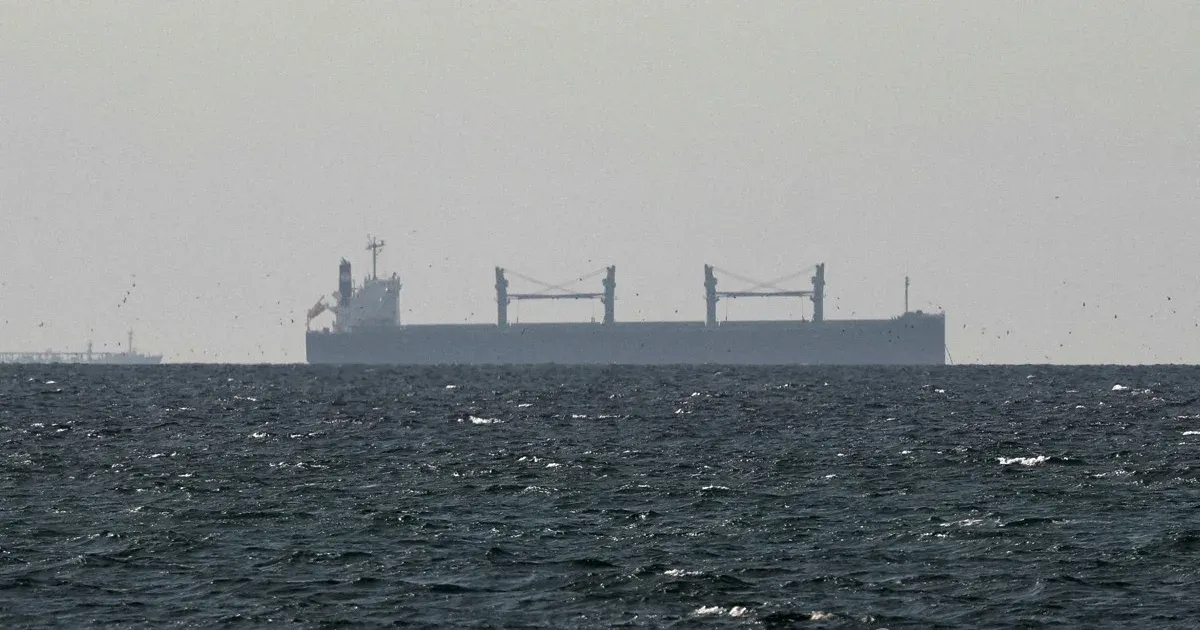
Tehran officials confirmed that Iran intends to collect transit fees from commercial vessels passing through the Strait of Hormuz. On March 31, 2026, the toll proposal moved from legal theory into a direct concern for commercial shipping. Legal experts in the Iranian capital cited environmental protection and maritime security costs as the primary justification for the move. Global shipping companies reacted with immediate alarm while energy markets saw a sharp uptick in Brent crude futures. Maritime law stipulates that the strait is an international waterway, yet Iranian authorities argue that their territorial waters cover the essential shipping lanes.
Shipowners now face a complex choice between paying the levies or seeking alternative routes that do not exist for the volume of oil required by Asian and European markets. Seoul officials expressed deep reservations regarding the legality of the Iranian demands during a press briefing later that afternoon. South Korea remains one of the largest importers of Middle Eastern crude and relies heavily on unhindered access through the waterway. Government representatives stated they are closely monitoring the situation to determine if the tolls violate international maritime conventions.
South Korea Reacts to Iranian Toll Proposal
Ministry of Foreign Affairs officials in Seoul held emergency meetings on March 31, 2026, to discuss the economic implications of the Iranian announcement. Diplomats characterized the situation as a serious challenge to the principle of innocent passage. Current maritime data indicate that a major portion of South Korean energy imports must traverse the 21-mile-wide chokepoint. Any disruption or additional cost burden could trigger inflationary pressure across the Korean Peninsula.
Seoul has historically maintained a delicate balancing act between its security alliance with the United States and its commercial interests in the Persian Gulf. Foreign Ministry spokespeople noted that they would consult with international partners before taking a formal stance. South Korean refiners are already calculating the potential impact on profit margins if the tolls become a permanent fixture of regional trade.
The government is cautiously reviewing the legal basis of Iran's claim to impose tolls in what has traditionally been regarded as an international strait subject to the right of transit passage, a spokesperson for the South Korean Ministry of Foreign Affairs said on Tuesday.
Legal analysts suggest that Iran is testing the limits of the 1982 United Nations Convention on the Law of the Sea. Tehran has never ratified the treaty, which provides the framework for maritime transit rights. By asserting control over the strait, the Iranian government seeks to monetize its geographical position. This move is a direct challenge to the established maritime order that has governed global trade for decades.
Houthi Militants Threaten Regional Maritime Lanes
Houthi forces in Yemen have simultaneously issued threats against shipping in what they call the second strait of the region. Maritime security reports suggest that Houthi leadership intends to expand its operations from the Bab al-Mandab into broader areas of the Arabian Sea. India faces particularly high risks from this escalation given its reliance on these routes for over 80 percent of its energy needs. New Delhi has already deployed additional naval assets to protect merchant vessels from drone and missile attacks.
Calculations from energy analysts show that 8.7 million barrels of crude flowed through the Bab al-Mandab daily before the current conflict intensified. Some estimates suggest the figure peaked at 9.3 million barrels during high-demand cycles. The threat of a two-pronged blockade at both Hormuz and the Bab al-Mandab creates a nightmare scenario for global logistics. Insurance premiums for tankers in the region have increased fivefold since the start of the month. Iran's history of assertive actions includes past attempts to halt commercial vessels within the Strait of Hormuz.
Militants have demonstrated an ability to strike targets far from the Yemeni coast using advanced Iranian-made weaponry. This capability forces ships to take longer routes around the Cape of Good Hope, adding weeks to delivery times. Shipping costs for a standard Suezmax tanker have climbed from $30,000 to over $100,000 per day. Petroleum companies are passing these costs directly to consumers at the pump.
Pakistan Mediates Rising Middle East Tensions
Islamabad has stepped forward to offer a diplomatic exit ramp for the escalating crisis. Pakistani mediators presented three distinct scenarios to regional stakeholders on March 31, 2026, aimed at preventing a full-scale naval conflict. One scenario involves a joint maritime security fund where all littoral states contribute to the safety of the strait. Another more aggressive scenario contemplates a complete military blockade if diplomatic efforts fail to address Iranian grievances.
Pakistan occupies a unique position as a nuclear-armed state with close ties to both Tehran and the Arab monarchies. Its involvement is seen by some as the last best hope for a peaceful resolution. Diplomatic sources in Islamabad indicate that the third scenario focuses on a phased reduction of tolls in exchange for the lifting of certain economic sanctions. Negotiations are expected to continue behind closed doors throughout the coming weeks.
Success depends on whether the Iranian leadership views the tolls as a genuine revenue source or merely a bargaining chip. Iran has used the threat of closing the strait as a geopolitical tool for years. Implementing an actual toll system changes the dynamic from a military threat to a bureaucratic extortion scheme. Regional powers are now forced to decide if they will legitimize the Iranian claim by paying the fees.
Maritime Risk for Importers
The toll plan matters because importers cannot simply route around Hormuz at scale. Even a legal dispute over fees can move prices if shipowners believe the waterway is becoming less predictable.
South Korea and other buyers now have to treat the announcement as both a commercial cost and a security signal. The response will depend on whether Iran enforces the tolls symbolically or turns them into a sustained pressure tool.