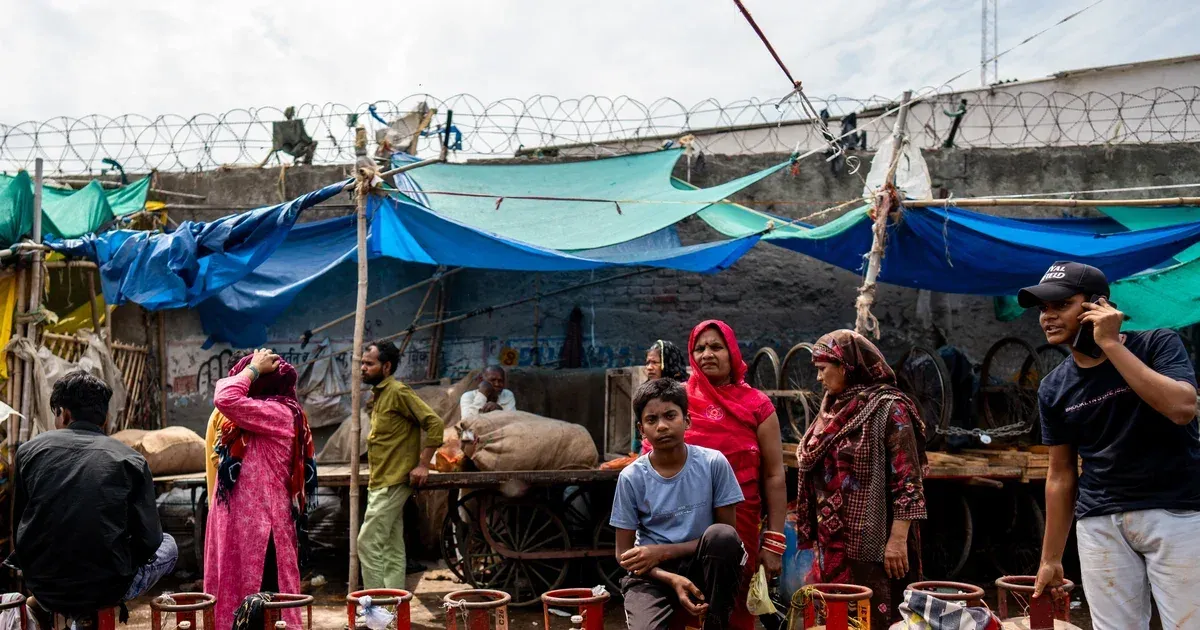
Iran-related fuel disruption pushed governments toward an uncomfortable policy mix: conserve demand, cushion households, protect industry and keep enough supply moving to avoid panic. The shock did not stay inside oil markets. It reached diesel users, airlines, farmers, factories, public transport, household budgets and inflation expectations.
The limits of the policy claims are important. Not every country faced the same shortage, and not every proposal became policy. But the policy menu became familiar across regions. Governments looked at lower speed limits, fuel alerts, tax relief, emergency stock releases, rationing tools and targeted support for vulnerable groups.
Conservation becomes a supply tool
Fuel conservation can sound minor until supply risk is large enough to make each saved litre politically valuable. Lower speed limits, reduced non-essential travel, public messaging and temporary limits on vehicle use all work on the demand side. They do not create new oil, but they can stretch available supply.
Conservation often returns during energy shocks even when politicians dislike the optics. It asks citizens to change behavior, which is always more difficult than announcing a subsidy. Demand reduction has the advantage of working quickly if the public believes the risk is real.
Germany shows the politics of restraint
Germany's recurring speed-limit and fuel-conservation debate shows why demand measures become identity fights. The autobahn is not only transport infrastructure; it carries cultural meaning. A temporary speed limit may save fuel, but it also asks drivers to accept a visible constraint.
The measure becomes politically heavier than its technical design. The fuel-saving logic can be clear while the public argument remains difficult. Energy crises often expose the gap between what policy analysts can calculate and what citizens will tolerate.
India faces the import-cost channel
India's exposure runs through imported crude, refined products, LPG, transport costs and industrial demand. When Gulf routes look less reliable, the effect can spread from pump prices to cooking fuel, freight, manufacturing and inflation management.
For India, the policy choices are tradeoffs. Lower fuel taxes can protect households but reduce government revenue. Export controls can defend domestic supply but affect refiners and trade partners. Reserve management can buy time but cannot solve a prolonged disruption. The scale of each claim has to be reported precisely because national averages can hide local pressure.
New Zealand shows distance is not insulation
New Zealand is far from the Gulf, but fuel markets do not respect distance in a comforting way. Shipping, aviation, farming and rural transport still depend on global supply chains. A small and geographically remote market can have less flexibility when deliveries slow or prices jump.
New Zealand's response illustrates vulnerability of vulnerability outside the main conflict zone. Emergency fuel releases, alert systems and targeted household support all speak to the same problem: distance may reduce direct exposure to conflict, but it can increase dependence on reliable shipping and reserves.
Relief has to stay targeted
Broad fuel subsidies are politically tempting because they are easy to explain. They are also expensive and can weaken the price signal that encourages conservation. International policy advice during oil shocks often favors temporary, targeted help for households and sectors that cannot absorb the rise.
Targeted relief is less dramatic than a universal price cut, but usually more disciplined. It protects those most exposed while preserving the incentive to reduce non-essential demand. Administration remains the difficulty: governments have to identify who needs support quickly enough for the help to matter.
Industry needs different protection than households
Factories, farms, logistics companies and airlines do not respond to fuel shocks in the same way as households. Some can pass costs through. Some cannot. Some can delay activity, while others lose production if fuel or feedstock becomes unavailable.
Different industrial needs often put business support beside consumer relief. Governments may consider credit support, tax changes, priority allocation, reserve releases or temporary rules to keep essential supply chains functioning. Each intervention carries risk. Protect too little, and production falls. Protect too broadly, and public money supports activity that could have adjusted on its own.
Energy security becomes behavioral
Energy security extends beyond storage tanks, pipelines and shipping lanes to public behavior under stress. Panic buying can drain local supply faster than the physical disruption. Clear conservation guidance can slow that damage.
Iran-related disruption forced governments to admit the tradeoff they often prefer to hide: when fuel supply tightens, the burden shows up as reduced use, higher prices or public support. The countries that explain that tradeoff plainly are better placed than those promising cheap fuel, full supply and unchanged behavior at the same time.