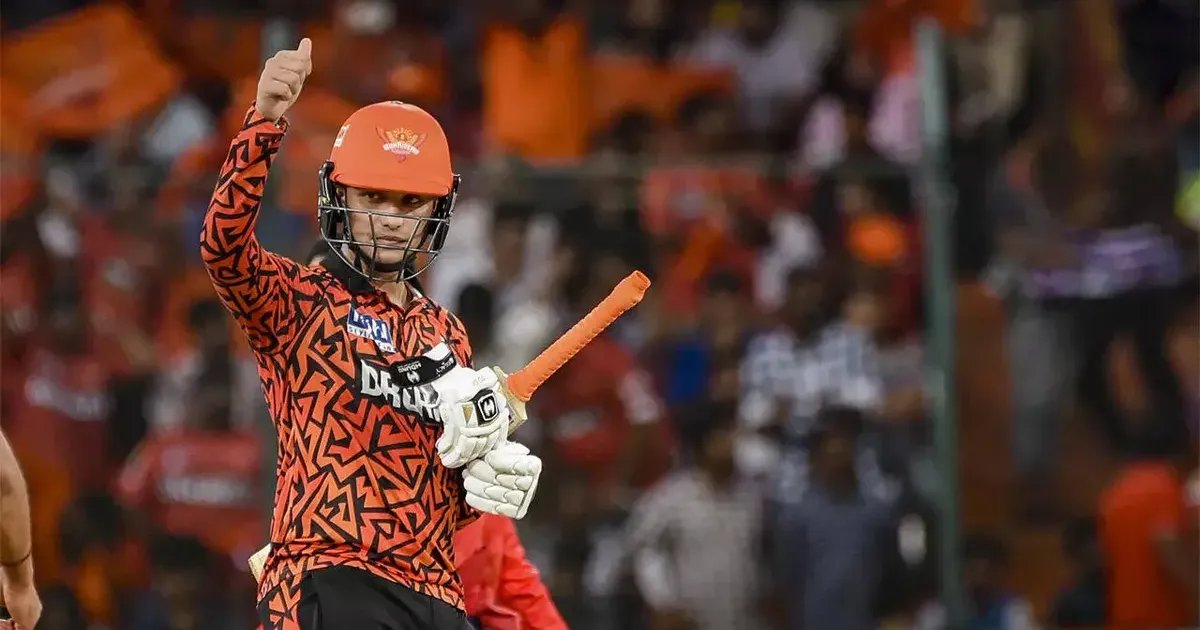
Abhishek Sharma's value to Sunrisers Hyderabad survived the disciplinary notice, but the 25 percent IPL fine still matters. The league said he admitted a Level 1 Code of Conduct breach under Article 2.3, accepted the match referee's sanction and received one demerit point. The record is narrow, not a character verdict.
The notice stood out because of the timing. SRH had cricket reasons to enjoy the Kolkata Knight Riders match at Eden Gardens, while Sharma remained one of the players who can change the tempo of an innings quickly. The sanction attached a different lesson to the same night: T20 aggression is valuable until it spills outside the code.
SRH still need the batting threat
Sharma matters because he changes the field early. A left-handed opener who can attack from the start forces bowlers to protect boundaries, adjust lengths and rethink powerplay plans. His hitting is not decoration. It changes the tactical shape of a chase or a first innings.
Sunrisers need the early batting pressure. Their best cricket has often depended on top-order force that makes required rates feel smaller and middle-overs choices easier. A fine does not erase his cricket value. The sanction adds a control question beside his batting value.
The Sanction Has a Defined Scope
The IPL statement gives enough to work with: Level 1 breach, Article 2.3, 25 percent match-fee fine, one demerit point and acceptance of the sanction. Reports linked the incident to a reaction after a TV umpire decision, but that reporting does not support a larger accusation.
Level 1 is the lower end of the disciplinary ladder. It deserves notice because points can accumulate, not because one breach should become a personality trial. Treating every code violation like a crisis distorts its scale.
Article 2.3 leaves room for context
Article 2.3 is commonly tied to audible obscenity or language during a match. In a loud T20 environment, the line can involve words, gestures, reaction to an umpiring call or a visible flash of frustration. The match referee's decision is final for a Level 1 admission, so the practical outcome is already settled.
The wider lesson is about repeat risk. One demerit point can be absorbed. A pattern can affect reputation, leadership perception and future availability. Franchises do not want visible players collecting preventable notices across a long tournament.
Emotion is part of the product
The IPL does not sell quiet cricket. It sells noise, pressure, rivalry and reaction. Players are not expected to look blank after a tight decision. The problem starts when emotion turns into conduct the league has to document.
Keeping emotion separate from misconduct is important for Sharma. He does not need to become a safer, smaller batter. SRH need the edge in his batting. The adjustment concerns where his edge goes after a decision, dismissal or exchange.
Power works better inside the boundary
Sharma does not need apology theater. He needs runs without preventable discipline. A player with rising status gains more from keeping frustration away from the code and letting the batting carry the argument.
SRH can live with intensity. They cannot build around avoidable accumulation. For Sharma, control is not the opposite of power. Control helps keep his power available when the tournament gets tighter.