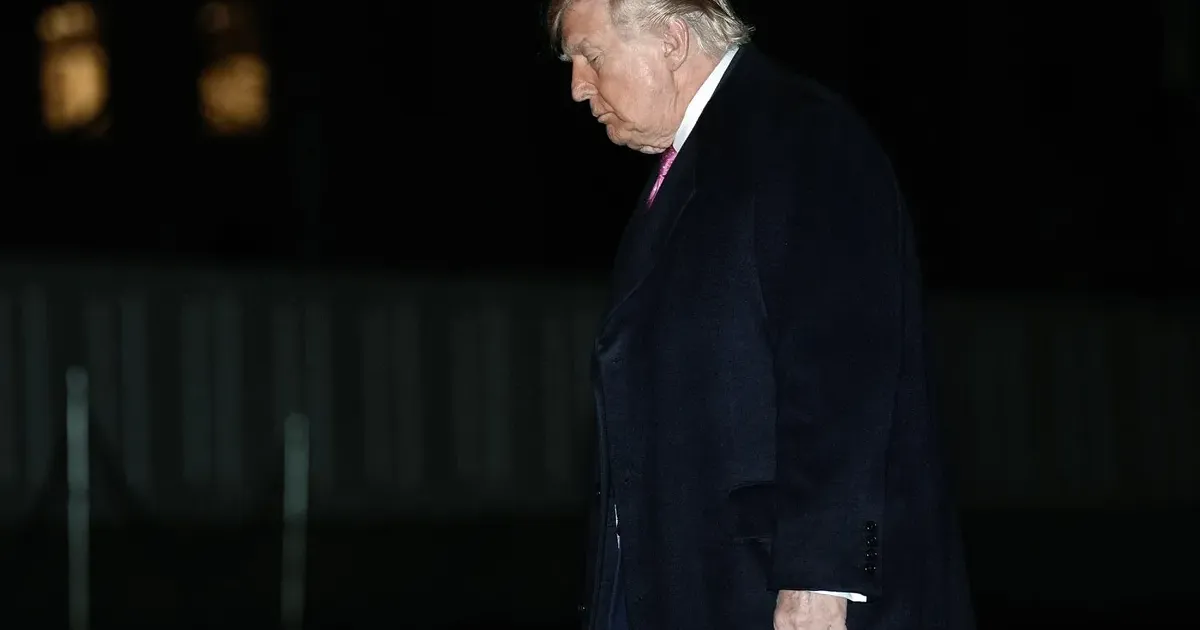
President Donald Trump declared his administration has opened direct channels with Iranian leadership to negotiate an end to the current war. Speaking from the Oval Office, the American leader asserted that high-level dialogue has been active for more than eight days. Tehran officials, by contrast, issued a series of blunt denials through state-controlled media outlets and diplomatic bulletins. By March 31, 2026, the competing accounts had become a credibility problem for wartime diplomacy. Conflict between these two narratives has created a fog of uncertainty across global capitals as the military standoff enters its second year.
Discrepancies emerged immediately after the initial White House announcement on March 23. While the executive branch suggests that substantive progress is occurring, the Iranian Foreign Ministry maintains that no such meetings have taken place on any soil. Swiss intermediaries, who traditionally enable communication between the two nations, have declined to confirm the existence of a new backchannel. Intelligence agencies in Europe have also failed to detect the physical movement of key negotiators that usually precedes such high-stakes diplomacy.
White House Asserts Active Communication Channels
Washington insiders suggest that a small team of advisors led by the National Security Council is conducting the outreach. These officials point to a shift in rhetoric from the executive branch as evidence of a softening position intended to lure Tehran to the table. According to one senior staffer, the administration believes that economic pressure has finally forced the Iranian government to consider a ceasefire. Current projections show that Iranian oil exports have plummeted to their lowest levels since the 2012 embargo era.
Energy markets responded to the prospect of peace with immediate volatility. Crude oil prices, which had been hovering near $120 per barrel, dropped 4% following the President's initial comments last week. Traders are now pricing in a potential de-escalation, even as military activity in the Persian Gulf continues unabated. Pentagon reports indicate that naval patrols remain at high alert levels despite the optimistic messaging coming from the civilian leadership.
The U.S. is in conversation with Iran.
White House Press Secretary Karine Jean-Pierre clarified during a briefing that the administration would not disclose the location of these alleged talks. Privacy is essential for the success of these sensitive discussions. National security officials believe that publicizing the details could jeopardize the safety of the participants or provide hardline elements in Tehran with an opportunity to sabotage the process. The administration insists that the silence from the Iranian side is a tactical move designed to manage domestic expectations.
Tehran Dismisses Claims as Political Fiction
Iranian Foreign Ministry spokesperson Nasser Kanaani countered the American narrative during a press conference in the capital city. He described the claims of secret negotiations as a psychological operation intended to create internal division within the Islamic Republic. No direct or indirect talks have occurred between the two parties. This official statement aligns with the public stance of the Supreme Leader, Ali Khamenei, who has repeatedly forbidden direct engagement with the current American administration.
Hardline newspapers in Tehran have characterized the reports as a desperate attempt by Washington to project strength during an election year. They argue that the United States is seeking a diplomatic victory to compensate for a lack of progress on the ground. Military commanders within the Islamic Revolutionary Guard Corps have reinforced this message by conducting a series of missile tests in the central desert. These exercises are a physical manifestation of the regime's refusal to capitulate to external pressure.
External observers note that Iran has a history of denying negotiations until a final deal is nearly reached. During the 2015 nuclear agreement talks, secret meetings in Oman were kept from the public eye for months. Analysts at the International Institute for Strategic Studies suggest that Nasser Kanaani might be following a well-worn strategy of strategic ambiguity. If the talks fail, the Iranian government can claim they never happened, thus preserving its revolutionary credentials.
Regional Allies Question American Credibility
European diplomats have expressed private frustration over the lack of transparency regarding the alleged peace process. Officials in London and Paris say they have not been briefed on the specifics of the American proposal. This lack of coordination has led to concerns that the U.S. might be pursuing a bilateral deal that ignores the security interests of its traditional partners. One diplomat noted that the resilience of the coalition depends on shared information, which is currently lacking.
Israel and Saudi Arabia are monitoring the situation with skepticism. Intelligence sharing between Washington and its regional allies has reportedly slowed as the administration focuses on its secret initiative. Gulf states are particularly concerned about the potential for a lopsided agreement that would leave Iranian regional influence intact. Leaders in Riyadh have requested a formal clarification from the State Department regarding the status of the $11 billion in frozen assets that are reportedly a sticking point in the talks.
Maritime security remains a primary concern for the international community. Continued drone attacks on commercial shipping in the Red Sea suggest that the conflict has not yet cooled despite the reported diplomatic activity. Shipping companies have not changed their risk assessments or resumed normal routes through the Suez Canal. Insurance premiums for vessels navigating the region stay at record highs.
Secret Talks Credibility Gap
Diplomacy has entered a hallucinatory stage where the mere claim of a conversation is being used as a weapon of war. By announcing talks that the other side denies, the White House is not conducting foreign policy so much as it is conducting marketing. This tactic serves two purposes: it pacifies a war-weary American electorate and seeds paranoia within the Iranian command structure. If the Iranian leadership is truly not talking to Washington, they must now wonder if a faction within their own government is doing so behind their backs.
Tehran's refusal to acknowledge the talks is equally calculated. To admit to negotiations without an immediate lifting of sanctions would be viewed as a surrender to the Maximum Pressure campaign. They are trapped in a rhetorical prison of their own making, where the only way to save the economy is to engage in the very activity they have branded as treason. The result is a diplomatic stalemate where the truth is irrelevant as long as both sides can maintain their respective myths for a few more weeks.
War in 2026 is no longer just about missiles and blockades; it is about the control of the peace narrative itself. Washington has effectively seized the initiative by defining the terms of an ending that may not even exist. Whether a single word has actually been exchanged between these two rivals is secondary to the fact that the world is now reacting to the possibility. Perception has become the only reality that matters in the Persian Gulf.