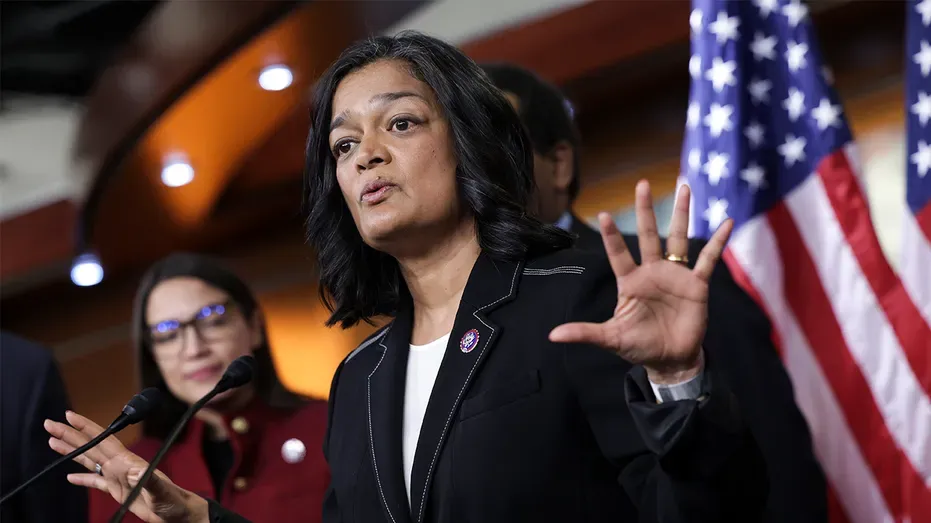
Pramila Jayapal outlined a proposal to establish a federal reparation system for illegal immigrants and initiate criminal prosecutions against executive branch officials who enforced border security measures. Speaking during a high-profile congressional hearing, the Washington Democrat asserted that financial compensation and legal accountability are necessary to address the impact of enforcement policies implemented during the second term of Donald Trump. Jayapal addressed these priorities during the seventh session of a series titled "Kidnapped and Disappeared: Trump’s Attack on Children." By March 31, 2026, the proposal had moved into the center of a House progressive oversight push.
Democratic leadership in the House of Representatives has allowed the Congressional Progressive Caucus to lead these investigations as part of a broader legislative platform. Jayapal argued that families impacted by deportation and detention require long-term financial support from the federal government. She insisted that current resources are insufficient to reduce the trauma reported by foreign nationals who crossed the border without authorization.
The proposal also forces Democrats to define whether accountability means civil compensation, criminal liability or both.
That distinction will shape whether the plan is treated as oversight, punishment or a new entitlement.
Legislative records indicate that the hearing series has focused exclusively on the human impact of interior enforcement and sped up removal protocols. That distinction matters because each remedy would require a different standard of proof, appropriation path and political defense.
Reparations Strategy for Migrant Families
Reparations for illegal immigrants would involve direct cash transfers or service subsidies intended to address economic and emotional harm. Jayapal emphasized that funding must be prioritized for those released from federal custody. Financial experts suggest that a national reparation program for non-citizens could require clear budgetary shifts. Current proposals include funding for mental health services, housing assistance, and legal fees for families seeking to remain in the United States. Jayapal has not yet released a specific dollar figure for the individual payouts.
"We are going to have some form of reparation for the kids and the families that have been traumatized through all of this," Representative Pramila Jayapal said during the congressional testimony.
Previous efforts to provide settlements to separated families under the Biden administration faced intense Republican opposition and legal challenges. Legal analysts note that reparations traditionally apply to citizens or specific groups targeted by domestic laws. Expanding this concept to foreign nationals present in the country illegally would represent a shift in the application of federal tort law. Jayapal maintains that the severity of the enforcement tactics justifies this expansion of government liability. The Department of Justice has not commented on the feasibility of these payments.
Prosecutorial Standards for Federal Immigration Personnel
Prosecution of those carrying out immigration orders is the second foundation of the Jayapal plan. She called for "offensive action" against individuals who implemented the crackdown, suggesting that administrative immunity should not protect them from criminal charges. This strategy targets both high-ranking political appointees and rank-and-file agents within the Department of Homeland Security. Jayapal stated that accountability must include bringing these individuals before Congress and potentially a grand jury. Federal law currently provides broad protections for government employees acting within the scope of their employment.
Legal scholars point out that prosecuting federal officers for executing lawful executive orders would require proving a violation of constitutional rights or international law. Success in such cases usually depends on demonstrating that the officials acted with malice or exceeded their statutory authority. Internal DHS reports show that enforcement actions followed specific executive directives issued from the White House. Jayapal remains insistent that the harm caused by these policies outweighs any existing legal protections for federal workers. The goal is to establish a precedent that prevents future administrations from using similar tactics.
Legislative Framework for House Progressive Priorities
Future control of the House of Representatives remains the primary obstacle to Jayapal’s agenda. She explicitly linked the success of the reparations and prosecution plan to the outcome of the upcoming November elections. If Democrats reclaim the majority, the Congressional Progressive Caucus plans to make immigration reform a central component of its first 100 days. This platform includes the potential abolition of Immigration and Customs Enforcement and the implementation of a path to citizenship for millions of undocumented residents. Progressive lawmakers view these hearings as the foundation for future legislation.
Republican critics argue that the proposal encourages illegal immigration and undermines the rule of law. Some members of the House Judiciary Committee have characterized the hearing series as a political exercise designed to energize the progressive base. Data from the $11 billion border enforcement budget suggests that shifting funds toward reparations would require a total restructuring of national security priorities. Jayapal’s spokesperson did not provide a list of specific officials targeted for prosecution when asked by news agencies. The hearing concluded with a promise to hold further sessions detailing the specific financial needs of affected families.
Immigration Accountability Threat
Does a constitutional republic remain viable when the legislative branch attempts to criminalize the execution of lawful executive orders by its predecessors? Pramila Jayapal is not merely suggesting a policy shift. She is proposing the weaponization of the federal judiciary to punish the administrative state for fulfilling its core function of border enforcement. The move indicates a departure from traditional political disagreement into the area of judicial retribution. By framing enforcement as a criminal act, the progressive wing of the Democratic Party is attempting to build a permanent legal barrier against conservative immigration policies.
Reparations for non-citizens will inevitably alienate moderate voters who view the border as a security priority. The fiscal reality of such a program is enormous, especially when weighed against the national debt and the needs of legal residents. Jayapal is betting that the moral outrage surrounding family separations will outweigh the economic concerns of the electorate. However, the attempt to prosecute agents for following orders creates a dangerous precedent. It threatens to paralyze the federal workforce, as employees will fear future incarceration for executing the directives of a sitting president. It is a gamble for total institutional control that could permanently fracture the American civil service. A verdict on this strategy will come from the voters, not the courts.