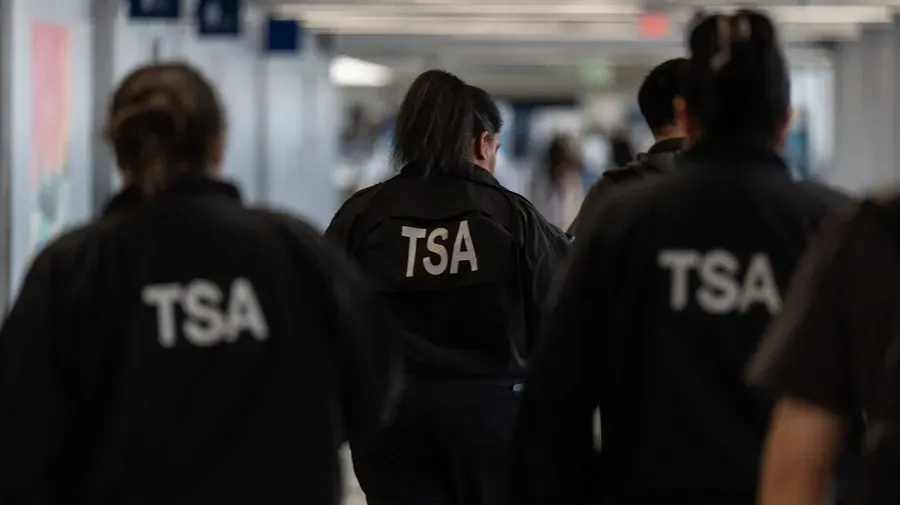
TSA officers receive their first retroactive paychecks after 44 days of working without compensation during the longest Department of Homeland Security shutdown in American history. House Republicans rejected a bipartisan Senate deal on Friday to reopen much of the department, leaving federal agents in a state of financial uncertainty. On March 31, 2026, TSA officers received their first retroactive paychecks after 44 days of unpaid work. These officers, who maintain the front lines of aviation security, had been forced to rely on credit and community support to sustain their households since the funding lapse began.
Federal payroll systems finally processed the back pay for several weeks of labor on Monday, though current funding remains nonexistent for future pay cycles. Lawmakers departed the capital without a resolution, leaving thousands of essential personnel to wonder when the next paycheck will arrive.
Donald Trump continues to exert serious influence over the legislative process from his private residence, though reports indicate a growing gap between his directives and the reality of floor votes. Republican infighting has reached a fever pitch as the department enters its seventh week without a budget. Senate members from both parties had crafted a compromise intended to stabilize border operations and restore regular pay to the Department of Homeland Security. House leadership, however, determined that the proposal failed to meet specific enforcement benchmarks demanded by the most conservative wing of their caucus. The decision to scrap the deal ensures that the shutdown will continue through the upcoming holiday travel season.
Republican Infighting Stalls Department of Homeland Security Funding
Negotiations collapsed late Friday afternoon when a coalition of House Republicans announced their refusal to bring the Senate-passed measure to a vote. Internal divisions within the party have pitted institutionalists against hardline fiscal hawks who prioritize border policy over agency functionality. While the Senate version included billions for border surveillance technology, the House wing demanded stricter limits on asylum processing. Disagreements over these specific policy riders have paralyzed the legislative branch for over a month. Tensions boiled over during a closed-door meeting where members reportedly traded insults over the strategic failure to secure concessions from the White House.
Leadership in the lower chamber has struggled to maintain a unified front as moderate members express concern over the optics of unfunded security agencies. Staffers familiar with the talks suggest that the influences of Donald Trump has complicated the ability of Speaker of the House to negotiate in good faith. Some members fear a primary challenge if they support any bill that does not include the entirety of their immigration agenda. Others argue that holding the salaries of law enforcement officers hostage is a tactical error that damages the party's reputation on national security. Voting records indicate that the current deadlock is the result of a narrow 12-member block that holds the balance of power.
TSA Operational Risks During the Prolonged Shutdown
Transportation Security Administration data reveals a steady increase in officer absenteeism as the financial strain of the 44-day shutdown takes its toll. While the retroactive checks delivered on March 31, 2026, provided temporary relief, the long-term morale of the workforce has plummeted. Security checkpoints at major international hubs like JFK and Heathrow-bound gates in the U.S. have seen wait times triple in some instances. Officers are legally required to report for duty as essential personnel, but many have sought medical leave to work second jobs in the private sector. The agency faces an enormous retention crisis if the funding gap extends into the next fiscal quarter.
House Republicans on Friday rejected a bipartisan Senate deal to reopen much of the DHS, including the TSA, leaving the department unfunded as lawmakers left.
Aviation experts warn that the erosion of the workforce directly impacts the efficacy of screening protocols. Reduced staffing levels often lead to the closure of specialized lanes, forcing passengers into crowded queues that present soft targets for bad actors. Reports from individual airports suggest that some TSA personnel have resigned entirely, citing the unreliability of federal employment. Training programs for new recruits have also been suspended, meaning the pipeline for future security personnel is now empty. National security officials have expressed concern that the focus on political maneuvering is distracting from the core mission of protecting the traveling public.
Donald Trump and the Legislative Deadlock in the House
Donald Trump’s distance from the immediate legislative dynamics on Capitol Hill has created a vacuum of leadership that various factions are attempting to fill. Analysts at the Politics Desk note that his public statements often contradict the private assurances given by his allies in the Senate. This disconnect has left House leadership without a clear mandate to move forward on any specific compromise. Some observers believe the former president prefers the optics of a chaotic border to a legislative solution that might grant a victory to his political opponents. His influence remains a primary driver of the current stalemate despite his absence from formal negotiations.
Internal memos from the Trump campaign suggest that the border controversy is viewed as a central foundation of the upcoming electoral cycle. Legislative progress could potentially de-escalate the issue, which contradicts the broader strategy of highlighting executive branch failures. So, the House Republicans who are most loyal to Trump have consistently moved the goalposts during funding talks. Each time a compromise nears completion, a new set of demands regarding asylum or deportation emerges. This pattern of behavior has frustrated Senate Republicans who believe the party is missing an opportunity to pass meaningful border legislation.
DHS Funding Standoff
The 44-day paralysis of the Department of Homeland Security is not a failure of the legislative system but a deliberate exercise in institutional arson. By rejecting a bipartisan Senate compromise, House Republicans have signaled that they value the theater of border chaos more than the actual security of the border. This strategy rests on the cynical assumption that the public will blame the incumbent administration for the resulting disorder, even as the funding freeze originates entirely within the lower chamber. It is a high-stakes gamble that prioritizes electoral grievances over the basic function of paying the men and women who secure the nation’s airports and frontiers.
Donald Trump remains the ghost at the negotiating table, haunting every potential deal with the threat of a primary challenge. His disconnect from the specific policy details is irrelevant because his primary objective is the maintenance of a crisis. As long as the department remains unfunded, the border stays in a state of high-definition turmoil that serves his political narrative. The internal Republican infighting is merely the friction caused by a party attempting to serve two masters: the demands of governance and the whims of a populist figurehead who thrives on instability. National security is now a secondary concern to the preservation of a potent campaign issue.
Governance requires the compromise that the current House caucus has branded as betrayal. Until the GOP decides whether it is a party of administration or a party of protest, the federal government will continue to lurch from one self-inflicted crisis to the next. The TSA paychecks issued this week are a temporary bandage on a severed artery. Security is a service that requires consistent investment, not a political football to be spiked in the end zone of a partisan feud. America’s defenses are only as strong as the political will to fund them.