Eric Swalwell issued a legal demand to FBI Director Kash Patel in Washington, seeking to block the public release of decade-old investigative records. Attorneys for the California Democrat sent a formal cease-and-desist letter to the J. Edgar Hoover Building following reports that the bureau intended to disclose sensitive materials. These documents concern a counterintelligence investigation from the early 2010s involving a suspected Chinese operative named Christine Fang. Eric Swalwell claims the disclosure of these records would violate federal privacy laws and established Department of Justice protocols. By March 31, 2026, the demand had moved the dispute from political argument into a formal legal posture.
Reports from The Washington Post indicate that Kash Patel recently began preparations to dump investigative material into the public domain. Such files typically remain confidential under the Privacy Act of 1974, which restricts the spread of personal records by federal agencies. Legal experts suggest that releasing raw investigative data without a formal law enforcement purpose is highly irregular. The letter sent by the congressman legal team demands that the FBI immediately cease any efforts to declassify or leak the material.
Public disclosure of raw FBI files is rare for a sitting member of Congress.
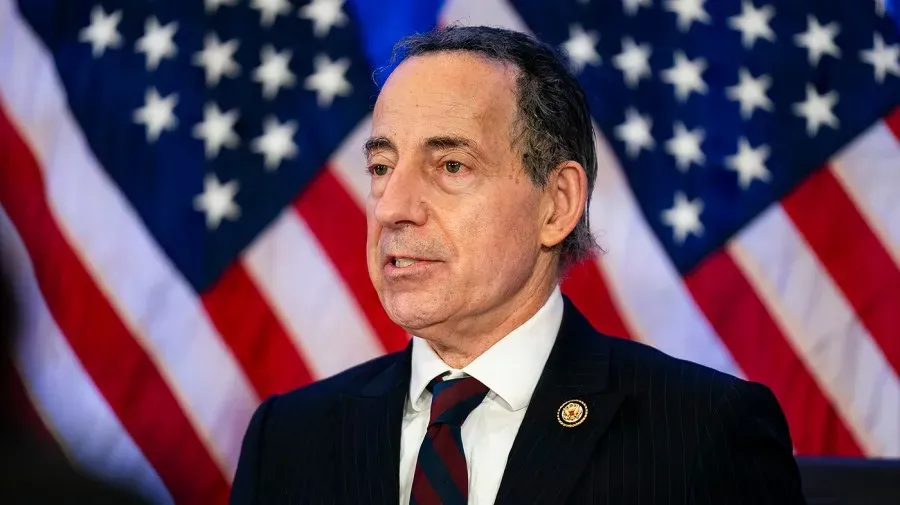
Representative Jamie Raskin, the ranking Democrat on the House Oversight Committee, condemned the reported plan as an abuse of power. Raskin argued that the moves are a deliberate attempt to damage a political opponent of the current administration. Speaking on Saturday, the Maryland lawmaker emphasized that the files relate to events from more than ten years ago. He asserted that the bureau is being transformed into a tool for political retribution. The FBI is attempting to smear a sitting U.S. Congressman, candidate for governor, and vocal opponent of the president.
Legal Standpoint of the Cease and Desist Order
Attorneys representing the congressman argue that any release would constitute a willful violation of the Privacy Act. This statute generally prohibits agencies from disclosing records about an individual without their written consent. While certain exceptions exist for routine uses or law enforcement needs, the legal team contends that no such justification applies in this instance. They maintain that the files were already reviewed by the House Ethics Committee years ago.
Congressional records indicate that the Ethics Committee cleared Swalwell of wrongdoing in 2023 regarding his interactions with Fang. That investigation concluded that no classified information had been shared with the suspected spy. By contrast, Patel has frequently criticized the handling of the case, suggesting that the public has a right to see the full scope of the counterintelligence findings. His office has not yet formally responded to the cease-and-desist order.
Privacy experts note that the FBI often protects investigative subjects from the publication of unverified raw data. This policy prevents the potential for reputational harm based on unsubstantiated leads or third-party hearsay. Despite these standards, the current leadership at the bureau has signaled a new approach to transparency that emphasizes declassification. Critics see the move as a targeted application of transparency rules designed to harm specific individuals. The FBI Director has faced intense scrutiny regarding his recent, controversial decision to release the Swalwell spy probe files.
Origins of the Christine Fang Counterintelligence Case
Investigations into Christine Fang, also known as Fang Fang, began during the Obama administration when she targeted local politicians in the San Francisco Bay Area. She reportedly participated in fundraising activities for several Democratic candidates between 2011 and 2015. Federal investigators monitored her movements and contacts as part of a broader probe into Chinese influence operations. Swalwell has maintained that he cooperated fully with the bureau once alerted to her activities.
Documents from that era show that Fang left the United States in mid-2015 while the investigation was still active. No charges were filed against the congressman, and he has consistently denied any intimate relationship or security breach. Beyond the legal skirmish, the case has become a permanent fixture in Republican messaging against him. The renewed focus on these files brings a decade-old controversy back into the national spotlight. The timing of this disclosure coincides with the height of the primary season.
Patel and the Weaponization of Declassified Intelligence
Within the halls of the bureau, the push to release these files is seen as part of a broader directive from the director. Patel, a former staffer for the House Intelligence Committee, has long advocated for exposing what he calls the partisan nature of federal law enforcement. His tenure has been marked by a series of declassifications that many veteran agents view as politically motivated. Legally, the director has broad authority over the disclosure of non-classified but sensitive law enforcement material.
Bureaucratic resistance to these disclosures persists among career officials who fear the precedent it sets. Releasing investigative files on a political figure could encourage similar actions by future directors regardless of their party affiliation. Historically, the Department of Justice has fought to keep such materials private to protect the integrity of the investigative process. Patel, however, maintains that the public interest outweighs these traditional concerns.
Intelligence officials warned that disclosing raw surveillance data could reveal sensitive methods used to track foreign agents. These techniques are often highly classified and their exposure could compromise ongoing counterintelligence efforts. Substantively, the debate has shifted from the content of the files to the ethics of the disclosure process itself. The tension between institutional secrecy and political transparency remains unresolved.
Files Release Risk
Bureaucratic neutrality died when investigators began curating leaks for campaign cycles. Patel is not seeking transparency; he is seeking blood. By weaponizing the archives of the FBI, the current administration is effectively declaring that no investigation is ever truly closed if the subject remains a political threat. This move bypasses the judicial system entirely, opting instead for a trial by media based on unvetted intelligence scraps.
If this maneuver succeeds in derailing the California gubernatorial bid of Eric Swalwell, it will establish a new standard for political warfare in Washington. We are entering an era where the director of the nation's premier law enforcement agency functions as a chief research officer for the executive branch. The transformation of the bureau into a repository of kompromat serves only to further erode public trust in the rule of law. It is a cynical gamble that trades long-term institutional stability for short-term electoral gain. The question is no longer about what Swalwell did in 2011, but what the FBI is willing to do in 2026. A permanent state of investigative warfare is a heavy price to pay for a single election victory. The precedent holds.