Iran signaled a lethal shift in Persian Gulf stability by shooting down a second United States military aircraft over the Strait of Hormuz. Iranian air defense batteries targeted an A-10 Warthog ground attack jet, marking the second such loss for American forces in the region within a single week. Washington previously confirmed the destruction of an F-15 Eagle fighter during a similar patrol mission over these contested waters. The April 4, 2026, shootdown turned a contested patrol route into the central symbol of the Gulf air war. Successive strikes against high-value air assets have pushed the regional security posture to its most fragile state in decades.
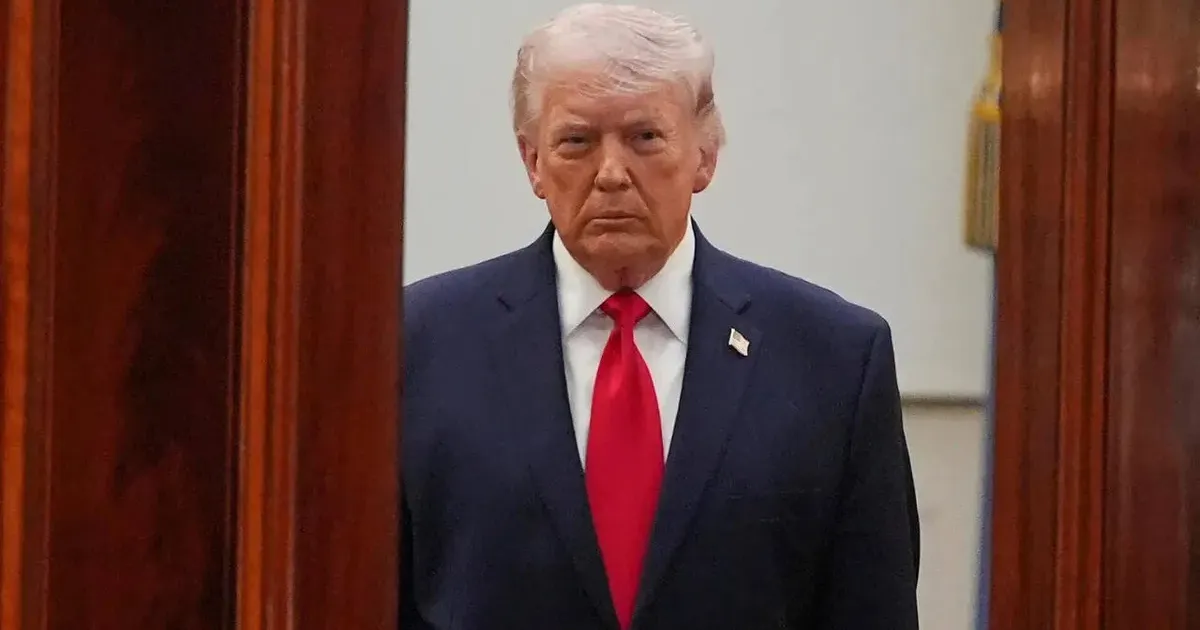
President Donald Trump characterized the current state of affairs as an active conflict during an exchange with reporters. Speaking to NBC News, President Trump acknowledged the gravity of the kinetic engagements while maintaining a paradoxical stance on the future of US-Iranian relations. Iran appears emboldened by these successful interceptions, which use sophisticated surface-to-air missile systems capable of reaching aircraft operating within the narrow maritime corridor. Coastal batteries along the Musandam Peninsula have reportedly remained on high alert since the first wreckage hit the sea.
Iranian Missile Batteries Strike A-10 Warthog
Military officials in Washington confirmed that the A-10 Warthog was conducting a routine maritime surveillance flight when Iranian radar locks were detected. Specifically, the aircraft was flying at an altitude that made it vulnerable to short and medium-range air defense systems deployed along the Iranian coastline. Witnesses on nearby commercial tankers reported seeing a bright flash followed by a debris trail falling into the northern section of the strait. Search and rescue operations were initiated immediately by the US Fifth Fleet, headquartered in Bahrain.
"We're in war," President Trump told NBC News reporters when asked about the escalating kinetic activity in the region.
Pentagon records indicate that the A-10, known for its heavy armor and titanium shielding, was not designed for the high-intensity anti-air environment now present in the Persian Gulf. Iranian Revolutionary Guard Corps commanders have claimed responsibility for the strike, citing what they call a violation of sovereign airspace. Projections from intelligence analysts suggest that Iran has deployed mobile Khordad-15 batteries to key locations to deny US air superiority over the shipping lanes. Every successful strike increases the leverage held by Tehran during any potential ceasefire negotiations.
Tehran maintains that these interceptions are defensive measures intended to protect its territorial integrity. Hardline elements within the Iranian government have used the imagery of the downed F-15 and the recent A-10 to strengthen domestic support. Recent reports from the Times of India highlight that the loss of two sophisticated jets in under seven days is a meaningful tactical setback for US Central Command. Military planners are now forced to re-evaluate the risk profile of every sortie flown near Iranian borders.
Economic Consequences of Strait of Hormuz Hostility
Global energy markets reacted with predictable volatility as news of the second downing reached trading floors in London and New York. Brent Crude prices surged by nearly 8% within hours of the Pentagon's confirmation of the incident. Traders fear that a prolonged state of war will lead to a full blockade of the Strait of Hormuz, which handles approximately 20% of the world's daily oil consumption. Insurance premiums for oil tankers transiting through the region have already reached record highs.
Shipping companies are considering rerouting vessels around the Cape of Good Hope to avoid the escalating crossfire. Longer routes add serious costs to global trade and delay the delivery of essential commodities to European and Asian markets. Regional economies, particularly those dependent on seamless logistics in the Gulf, are bracing for a period of extreme uncertainty. Energy analysts at Bloomberg have warned that a total shutdown of the strait could push oil prices well above historical peaks. Shipping data shows a 15% decrease in traffic since the F-15 was downed earlier this week.
Lloyd's of London has designated the entire Persian Gulf as a high-risk zone, further complicating the commercial viability of regional trade. Ports in the United Arab Emirates and Saudi Arabia are seeing a backlog of vessels waiting for security clearances or naval escorts. Security experts argue that the US Navy does not have enough hulls to provide individual protection for every merchant ship currently at sea. Tension on the water mirrors the hostility in the skies.
Diplomatic Disconnect in the White House Briefing Room
President Trump insisted that the downing of American aircraft will have no bearing on ongoing diplomatic discussions. Despite labeling the situation a war, the administration continues to signal its willingness to engage in high-level talks with Iranian officials. Critics in Washington have pointed to a disconnect between the reality of military losses and the optimistic rhetoric regarding a new nuclear deal. NBC News reports that secret backchannel communications are still active through European intermediaries. White House staffers have worked to frame the losses as isolated incidents rather than a systemic failure of deterrence.
Opponents of the current policy argue that Iran will only escalate further if there is no direct military retaliation for the destroyed jets. Congressional leaders have demanded a briefing on why US aircraft continue to fly within range of Iranian missiles without adequate suppression of enemy air defenses. Proponents of the President's approach suggest that avoiding a larger regional fire is worth the cost of lost hardware. Diplomacy, however, becomes increasingly difficult to sell to the American public when service members are placed in direct peril. Official statements from the State Department indicate that no scheduled meetings with Iranian counterparts have been canceled.
State media in Tehran has mocked the American position, suggesting that Washington is too weak to respond effectively. Iranian diplomats have reiterated their stance that negotiations can only proceed if the United States removes all military assets from the Persian Gulf. Negotiators in Geneva are reportedly frustrated by the rapid pace of escalation on the ground. Military action usually precedes the collapse of diplomatic efforts, but the White House appears determined to buck that trend. Success in these talks remains the primary goal of the administration's Middle East strategy.
Allies in the region are watching the American response with mounting concern about their own security. Saudi Arabia and the United Arab Emirates have increased their own air defense readiness in anticipation of potential spillover. Intelligence sharing between the US and its regional partners has reached its highest level since the 1990s. Israel has refrained from public comment, though military observers believe the Israeli Air Force is preparing for various contingencies. Regional stability relies on the perception of American strength, which is currently being tested by Iranian missile crews.
Defense contractors are already seeing increased demand for electronic warfare suites and counter-missile technology. The failure of the F-15 and A-10 to evade Iranian defenses suggests that current jamming technology may be insufficient against newer Iranian systems. Military hardware procurement cycles are too slow to address these vulnerabilities in real-time. Pilots stationed at Al Udeid Air Base in Qatar have expressed concerns about the rules of engagement during surveillance missions. Every flight is now considered a combat sortie.
Strategic planners must now decide whether to escalate the conflict to degrade Iranian capabilities or continue to absorb losses in the name of diplomacy. Iran has proven it can strike high-performance aircraft with precision, a capability many Western analysts previously doubted. The Strait of Hormuz is no longer just a shipping lane; it is a live laboratory for modern anti-access and area-denial warfare. Future engagements will likely involve unmanned systems to reduce the risk to human pilots. Pentagon officials are reviewing all maritime patrol protocols tonight.
Warthog Loss Deepens Gulf Air War
History offers no precedent for a nation attempting to sign a peace treaty while its adversary methodically dismantles its air wing. The White House's current stance is an exercise in cognitive dissonance, attempting to decouple kinetic warfare from diplomatic engagement. President Trump’s admission that a state of war exists is a rare moment of honesty that simultaneously undermines his administration’s claims that talks are proceeding normally. You cannot negotiate from a position of strength when your multimillion-dollar jets are being swatted out of the sky by the very people you are courting at the table.
Iran has successfully called the American bluff. By targeting the A-10 Warthog and the F-15, Tehran is signaling that it no longer fears American conventional deterrence. This isn't a series of accidents; it is a calculated campaign to raise the cost of the American presence until it becomes politically unsustainable. Washington is currently trading hardware for time, hoping that a diplomatic breakthrough occurs before the loss of life makes an all-out war unavoidable. The strategy is high-stakes gambling with the lives of pilots and the stability of the global energy market. It is a losing hand.