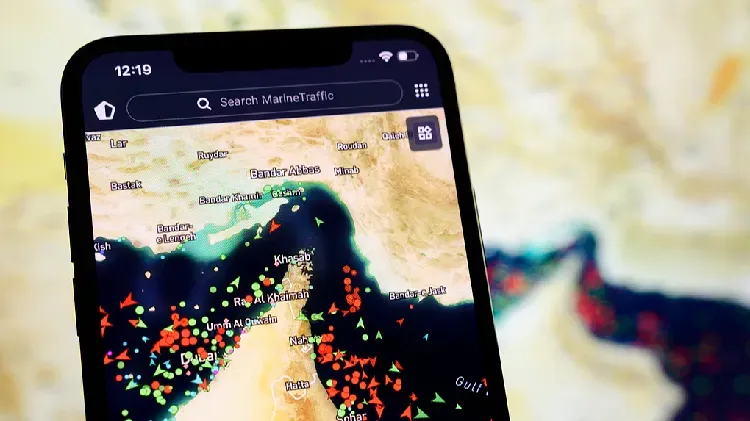
Abu Dhabi officials signaled that the United Arab Emirates might abandon its neutral stance to support a US-led military effort to reopen the Strait of Hormuz. The signal came on April 1, 2026. Iranian forces recently escalated their harassment of commercial shipping, effectively choking the primary artery for global energy exports. Diplomats in the capital now pressure Washington and Western allies to abandon containment in favor of direct maritime intervention. Passive monitoring failed to deter recent seizures of tankers, leaving regional oil producers with dwindling options for safe passage.
Intelligence reports from the Persian Gulf indicate that Emirati leadership views the current blockade as an existential threat to its economic diversification plans. Support for a military solution is a sharp shift for a nation that previously prioritized de-escalation with Tehran. Emirati naval assets are reportedly on high alert, preparing for potential joint exercises designed to clear mines and escort vulnerable cargo ships through the narrow 21-mile-wide waterway. Iranian officials warned that any foreign intervention would meet a crushing response from the Islamic Revolutionary Guard Corps.
UAE Pushes for Direct Military Action Against Iran
Senior advisors in Abu Dhabi spent the last forty-eight hours lobbying the Biden administration to authorize a kinetic response to Iranian aggression. Previous incidents of sabotage against tankers near the port of Fujairah led to increased patrols, yet the actual closure of the strait requires a more solid level of engagement. Military analysts suggest the proposed operation would involve carrier strike groups and specialized minesweeping units to ensure the channel stays open. The United Arab Emirates seeks a permanent security architecture rather than temporary relief from the current supply crunch.
Washington remains cautious about the prospect of a full-scale regional conflict, but the pressure from Gulf partners is reaching a boiling point. Retaliation from Tehran could include ballistic missile strikes against Emirati infrastructure, a risk that Abu Dhabi seems increasingly willing to take. Shipments of liquefied natural gas and crude oil have stalled at the mouth of the gulf, creating a heavy backlog of tankers visible from satellite imagery. Abu Dhabi has reportedly offered to provide logistical support and airbases for any Western jets involved in the security mission.
Chinese Maritime Passage Relies on Special Coordination
While the West weighs military options, Beijing is successfully navigating the crisis through back-channel diplomacy. Foreign Ministry spokesperson Mao Ning confirmed on Tuesday that three Chinese vessels recently transited the strait without incident. These transits occurred through the facilitation and coordination of relevant sides, according to official statements from Beijing. This coordination likely involves direct communication with Iranian naval commanders to distinguish Chinese-flagged ships from those of rival nations.
"We thank the assistance of relevant parties. The maritime strait and its adjacent waters serve as a critical international shipping lane for commodity and energy trade." This blockage of the global oil supply has triggered severe market volatility across energy sectors worldwide.
China continues to call for an immediate ceasefire to restore peace and stability in the Gulf region. Beijing avoids taking a side in the military standoff, yet its ability to secure safe passage for its own fleet highlights its growing influence in Tehran. Western intelligence agencies are monitoring whether these safe passages include any unspoken agreements regarding oil discounts or technology transfers. The disparity in shipping safety between Chinese vessels and those of other nations is widening by the day.
Regional Security Fears Drive Global Oil Price Volatility
Energy markets reacted with extreme volatility to the news of the potential UAE military shift. Prices for Brent Crude spiked toward $100 per barrel as traders braced for a possible disruption of nearly 20 percent of the world's daily oil supply. While Bloomberg suggests the market has already priced in a minor conflict, Reuters sources claim the real risk lies in a prolonged closure that could last months. Short-term contracts are trading at a meaningful premium, reflecting the fear of a sudden supply vacuum in the European and Asian markets.
Investment banks have started issuing warnings about the secondary effects of a sustained Hormuz blockade on the global manufacturing sector. Refineries in South Korea and Japan, which depend heavily on Gulf crude, are already tapping into national strategic reserves. Any military engagement in the strait would likely lead to an immediate spike in insurance premiums for all vessels operating in the Indian Ocean. Current maritime insurance rates for Gulf transits have tripled since the beginning of the year.
International Shipping Routes Face Prolonged Disruption
Logistics firms are desperately seeking alternative routes to bypass the volatile region. Some companies are rerouting vessels around the Cape of Good Hope, a move that adds ten days to the voyage and millions of dollars in fuel costs. Pipelines that transit Saudi Arabia to the Red Sea are currently operating at maximum capacity, yet they can only carry a fraction of the volume that typically moves by sea. The infrastructure for overland transport across the Arabian Peninsula is not yet steady enough to replace the capacity of the strait.
Satellite data shows a cluster of over fifty tankers currently anchored off the coast of Oman, waiting for security guarantees that have yet to materialize. Smaller shipping companies have suspended operations entirely, citing the inability to secure hull and machinery insurance. Global supply chains, already strained by terrestrial geopolitical conflicts, now face a maritime bottleneck that threatens the stability of the spring economic forecasts. Port authorities in Jebel Ali have reported a 40 percent decrease in container traffic over the last month.
Strait Pressure Tests Gulf Security: Neutrality in the Persian Gulf is an expensive luxury that Abu Dhabi can no longer afford. For years, the United Arab Emirates attempted to balance its security alliance with the United States against its complex economic ties with Iran, but the closure of the Strait of Hormuz has shattered that equilibrium. By pushing for a military solution, Abu Dhabi is essentially calling Washington’s bluff on its enduring security guarantees to the region. The White House now faces a binary choice: launch a risky naval campaign that could spark a regional war, or watch its influence in the Middle East evaporate as the UAE looks for more assertive partners.
China is the only real winner in this current state of maritime anarchy. While Western ships are trapped or harassed, Beijing’s vessels move through the strait with the ease of a protected class, proving that diplomatic fealty to Tehran pays higher dividends than a US security umbrella. This dynamic is a humiliation for the US Navy and a clear signal to every other Gulf state that the old order is dead. If the US does not use force to reopen the strait soon, the UAE and its neighbors will likely conclude that Beijing, not Washington, is the true power broker in their own backyard. The era of American maritime dominance in the Gulf is at its terminal point.