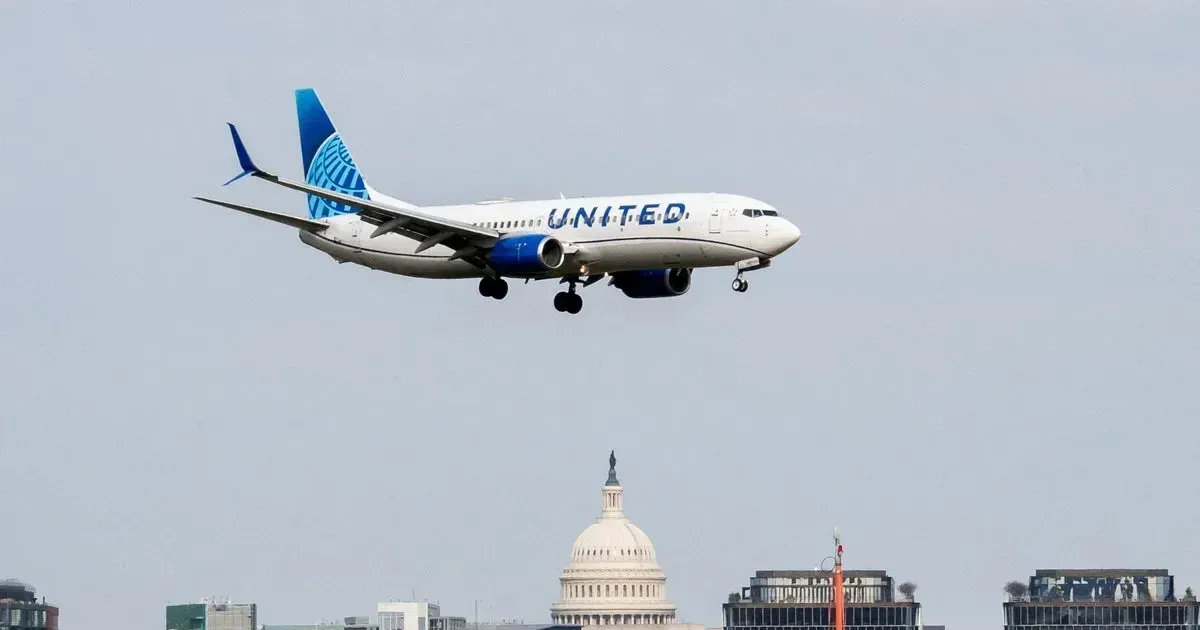
Oil prices above $103 and a Strait of Hormuz blockade are forcing airlines, shippers and manufacturers to recalculate fuel costs and supply routes. United Airlines executives warned on April 23, 2026, that a naval blockade in the Strait of Hormuz has triggered a catastrophic spike in jet fuel costs. Iran has effectively strangled the primary transit point for global energy, forcing Brent crude prices past $103.07 on the ICE exchange. Market volatility reached extreme levels during early trading as the maritime standoff showed zero signs of de-escalation. Analysts note that roughly one-fifth of the world’s total oil consumption passes through this narrow waterway daily.
Energy markets reacted with immediate panic to the disruption of shipping lanes. Brent crude prices surpassed $103 per barrel for the first time in several years, reflecting a sudden scarcity of physical supply. Traders in London and New York scrambled to cover short positions, fearing a protracted conflict that could remove millions of barrels from the market. Price growth slowed slightly to $103.07 per barrel by mid-morning in Moscow, but the upward pressure persists across all energy benchmarks.
Brent Crude Surpasses Critical Financial Thresholds
ICE Futures Europe data confirmed the breach of the hundred-dollar psychological barrier during the early hours of trade. Daily price movements have become increasingly erratic since the blockade started. Global energy firms are already rerouting tankers around the Cape of Good Hope, a move that adds weeks to delivery schedules and millions to operational expenses. Higher shipping costs lead directly to higher retail prices at the pump and in utility bills.
Vessel tracking systems show dozens of tankers anchored outside the Persian Gulf, waiting for security guarantees that have not materialized. Insurance premiums for maritime transport in the region have ballooned by over 400 percent in 48 hours. These escalating costs are being passed down the supply-chain with ruthless efficiency.
Crude oil remains the lifeblood of industrial production, and its sudden appreciation threatens to derail global recovery efforts.
Regional instability has pushed Brent crude into a state of backwardation, where immediate delivery prices far outweigh future contracts. Professional speculators are betting on a long-term closure of the strait, which would require a total reconfiguration of global logistics. Fossil fuel markets have not experienced this level of volatility since the early 2020s. Every dollar added to the price of oil subtracts billions from global consumer spending power.
United Airlines Forecasts Enormous Passenger Fare Increases
Aviation giants are facing an existential threat from the sudden explosion in operating overhead. Scott Kirby, the CEO of United Airlines, stated that fuel prices have been rising faster than at any point in his professional career. He indicated that the carrier may be forced to raise passenger fares by as much as 20 percent to maintain solvency. Airlines generally operate on thin margins, and fuel typically accounts for the largest variable expense on their balance sheets.
Domestic and international flight schedules may face major reductions if fuel availability tightens. Carriers are already looking to optimize routes and ground less efficient aircraft to reduce the impact. Passengers booking summer travel will likely encounter the highest ticket prices in a decade. Smaller regional airlines might collapse entirely under the weight of these fuel surges.
Travel demand usually falls when prices reach these levels.
Hedging strategies that previously protected airlines from minor fluctuations are proving insufficient for a shock of this magnitude. Financial filings suggest that several major US carriers lack the necessary protection against oil prices exceeding the hundred-dollar mark. Emergency board meetings are occurring across the industry as executives weigh layoffs against ticket hikes. Aviation fuel availability in European hubs is already becoming a point of concern for logistics planners.
Alexander Pankin Outlines Disruptions to Russian Shipping
Russian officials have expressed grave concern over the deteriorating maritime security environment. Alexander Pankin, the deputy foreign minister, characterized the current circumstances as extremely difficult for international commerce. While Russia is a major oil exporter, the disruption of shipping in Hormuz creates logistical bottlenecks that affect its own trade routes and those of its partners. Political tensions in the region have made traditional diplomatic channels less effective.
“The current situation is extremely difficult,” Alexander Pankin said of the shipping disruptions.
Moscow finds itself in a complex position as it balances its regional alliances with the need for stable global energy prices. Disrupted shipping lanes mean that even sanctioned or shadowed fleets face increased scrutiny and physical danger. Pankin emphasized that the blockade affects more than oil, disrupting the broader movement of commercial goods and commodities. Global trade interdependence ensures that no nation stays insulated from a choke point closure. Russian tankers frequenting the area have reportedly sought alternative routes to avoid the contested zone. These detours increase the carbon footprint of global trade and stretch the limits of the aging tanker fleet. Diplomatic efforts to reopen the strait have so far yielded little progress.
Strait of Hormuz Tension Destabilizes Global Supply Chains
Logistics experts warn that the maritime blockade is a systemic shock to the just-in-time delivery model. Beyond oil, the Strait of Hormuz is an essential artery for liquefied natural gas and petrochemicals. Shortages of raw materials will likely ripple through the manufacturing sector within weeks. European factories, already sensitive to energy price shifts, are preparing for potential production slowdowns or temporary closures. Corporate procurement officers are scrambling to find alternative suppliers outside the Middle East. This search for security often leads to higher costs and lower quality materials. The suddenness of the Iranian action left many firms with no contingency plans for a total shutdown of the Persian Gulf. Freight forwarders are reporting a major backlog of containers in regional ports. Inflationary pressures are expected to intensify as these costs filter through to consumer goods. Central banks may be forced to reconsider their interest rate paths if energy prices continue to drive inflation higher. A prolonged blockade would likely trigger a global recession, as the combination of high energy costs and reduced consumer confidence halts growth. Security analysts believe the situation requires a multilateral naval response to restore the freedom of navigation. Diplomatic rhetoric continues to harden as the economic costs of the blockade mount.
Hormuz Blockade Drives a Global Energy Shock
Fossil fuel dependency creates a recurring geopolitical blackmail scenario that Western capitals seem incapable of resolving. Despite decades of rhetoric regarding energy independence, the global economy still hangs by the thread of a single 21-mile-wide maritime passage. Iran’s ability to paralyze the aviation sector and push crude prices over $100 demonstrates that tactical control of geographic choke points outweighs the abstract power of financial sanctions. The current crisis exposes the fragility of the aviation industry, where a CEO like Scott Kirby can be rendered helpless by events thousands of miles from his headquarters. Raising fares by 20 percent is not a strategy; it is a desperate attempt to survive a market failure. Consumers will bear the cost of this failure, paying for both the fuel and the geopolitical incompetence that allowed this blockade to occur. Russia's involvement, voiced through Alexander Pankin, suggests that even major energy players are losing control over the chaos. This is no longer a localized dispute but a total breakdown of the maritime order. If the Strait of Hormuz is not reopened by force or firm diplomacy within 14 days, the resulting economic contraction will be permanent. The world is paying for its refusal to diversify its transit routes. Brutal market reality.