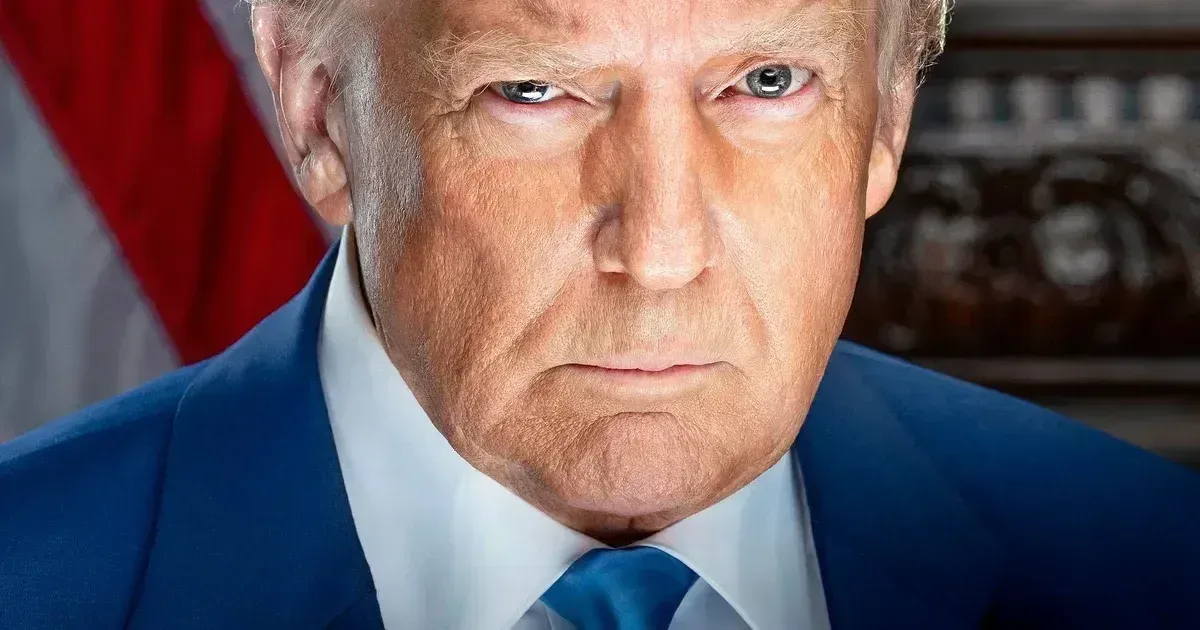
Iran’s satirical response to Trump’s ceasefire claims deepens doubts about both the negotiations and an alleged pause in executions. Donald Trump announced on April 23, 2026, that Iranian officials agreed to stop the execution of detained women following his direct intervention in ongoing diplomatic negotiations. This claim, delivered via a series of statements from the White House, suggested a breakthrough in the frozen relations between Washington and Tehran. Foreign policy analysts quickly noted that these assertions arrived at a moment of extreme tension regarding the broader regional ceasefire extension. Donald Trump stated that Iranian leaders respected his request to terminate the executions, painting the development as a major concession by the Islamic Republic.
Rights groups monitoring the Iranian judicial system offered a far more skeptical assessment of the situation on the ground. These organizations suggested that the legal status of detained women remained unchanged despite the rhetoric coming from the American executive branch.
Human rights monitors in Iran reported that while public rhetoric shifted, the underlying machinery of the state continued to target political dissidents. Skepticism deepened when activists noted that Tehran frequently uses the promise of judicial leniency as a bargaining chip in international sanctions negotiations. Verifying the halt of specific executions is notoriously difficult given the opaque nature of the Iranian prison system. Reports from local sources indicated that several high-profile cases involving female activists were still moving through the appellate process without interruption.
Publicly, Iranian state media ignored the specific claim regarding the executions for several hours before shifting their focus to a more aggressive form of digital retaliation. Professional diplomats warned that unilateral claims of success often trigger defensive reactions from the Iranian clerical establishment.
Iranian Authorities Release Mockery Video Targeting Trump
Tehran chose to respond to the American diplomatic overtures with a sophisticated AI-generated video that mocked the persistence of the White House. This media production, circulated widely on state-affiliated Telegram channels, featured an artificial version of the American president. Digital forensics teams noted the high quality of the deepfake technology used to render the likeness and voice of the commander-in-chief. Iranian state-aligned accounts used a popular internet meme from the SpongeBob SquarePants series to emphasize their point. The video prominently displayed a “2,000 years later” time card to mock what Tehran described as the endless wait for a viable American proposal. It portrayed the American leader growing increasingly frustrated as he waited for Iranian negotiators who never arrived.
Digital psychological warfare has become a primary tool for Iranian state actors seeking to undermine American diplomatic credibility. Instead of issuing a formal diplomatic note, the Iranian foreign ministry allowed the satirical video to serve as the unofficial rejection of the ceasefire extension. Experts in Middle Eastern communications believe the use of Western pop culture memes is a deliberate attempt to humiliate the current administration in front of a global audience. While the White House sought to project an image of active, successful mediation, the video projected an image of American impotence.
Analysts from the Reuters news agency observed that the video effectively ended any immediate hope for a structured dialogue on the ceasefire. Tehran appears more interested in projecting defiance than in securing the economic relief that a ceasefire might provide.
Donald Trump stated, "They respected my request and agreed to terminate the execution of these women, showing we can find common ground even in the most difficult circumstances."
Iranian officials accompanied the video with the blunt phrase “shut up”, a direct insult aimed at the American president's recent public statements. This linguistic shift from formal diplomatic language to aggressive slang indicates a breakdown in the traditional channels of communication between the two nations. Diplomats in Geneva reported that several scheduled back-channel meetings were canceled shortly after the video went viral. Tehran has historically used mockery to save face when internal pressures make it difficult to accept Western demands.
Using AI to create the content allows the Iranian government to maintain a thin layer of deniability while still delivering a clear message of contempt. The strategy appears designed to satisfy hardline domestic audiences who oppose any form of compromise with Washington.
Execution Moratorium Claims Face Human Rights Scrutiny
Rights groups argued that the situation for female prisoners in Iran is far more complex than the White House has publicly acknowledged. Amnesty International and other monitoring bodies pointed out that Iran has a long history of delaying executions only to carry them out once international attention has faded. Evidence of a formal policy change regarding the death penalty for women has not yet materialized in the official Iranian legal register. Local attorneys representing several of the detained women told investigators that they had received no notifications regarding a stay of execution.
Instead of a permanent termination, the current pause may simply be a tactical delay during the diplomatic cycle. Iranian judicial officials have not issued any public orders to the prison authorities at Evin or Rajai Shahr to halt the processing of capital cases.
Tehran continues to maintain a high rate of executions to deter domestic unrest despite the international pressure. Projections show that the Iranian government views the death penalty as an essential tool for social control during periods of economic instability. When the American president claimed credit for a humanitarian pause, he may have inadvertently made it more difficult for the Iranian judiciary to back down without appearing weak. Internal power struggles between the Iranian Foreign Ministry and the hardline judiciary often result in contradictory policies that baffle Western observers.
While the diplomats might seek a deal, the judges often double down on harsh sentences to prove their independence from foreign influences. No verifiable evidence exists to show that any female prisoner was actually released or moved off death row as a result of the talks.
Tehran issued no formal diplomatic cable to confirm the pause.
Ceasefire Negotiations Hit Digital Resistance in Tehran
Negotiations for the ceasefire extension reached a critical deadlock as the Iranian Revolutionary Guard Corps exerted more influence over the diplomatic process. Military leaders in Tehran view the ceasefire as a strategic disadvantage that allows American-aligned forces to reorganize. By mocking the American president with AI-generated content, the military wing of the Iranian government effectively sabotaged the efforts of the civilian foreign ministry. Sources in the United Nations reported that the latest draft of the ceasefire agreement was returned without any Iranian signatures. The focus on digital mockery suggests that Iran is currently prioritizing domestic optics over international stabilization. The approach leaves the Biden-era frameworks for Middle Eastern security in a state of total collapse with no clear successor in sight. Diplomacy in 2026 functions through memes and neural networks. White House officials refused to comment directly on the SpongeBob SquarePants video but insisted that the humanitarian achievements of the president were real. Press secretary reports emphasized that the president had personally spoken with several intermediaries who confirmed the Iranian intent to halt executions. However, the lack of a formal announcement from the Iranian Ministry of Justice makes these claims difficult to sustain under professional scrutiny. Financial markets reacted to the digital spat by pushing oil prices higher, as traders anticipated a return to more aggressive sanctions enforcement. If the ceasefire is not extended by the end of the month, the risk of a direct military confrontation in the Persian Gulf will increase sharply. Tehran has shown it is willing to risk economic hardship for the sake of ideological purity.
Iran’s Satirical Rejection Recasts Diplomatic Messaging
Diplomacy has devolved into a low-stakes theater of the absurd where SpongeBob memes carry more weight than State Department communiqués. The reliance on personal guarantees from an American president who claims to have secured humanitarian victories in the absence of written treaties is a recipe for catastrophic failure. Tehran is doing more than mocking a man; it is mocking the entire infrastructure of Western internationalism. By using AI-generated satire, the Iranian regime has found a way to bypass the gravity of nuclear and regional security talks, turning the world's most sensitive geopolitical trigger point into a viral comedy routine. It is not a misunderstanding but a deliberate strategy to strip the United States of its dignity while maintaining a posture of total intransigence. The White House's claim that executions have been halted lacks any empirical verification, which suggests a dangerous level of over-optimism or a calculated attempt to manufacture a foreign policy win. If the Iranian judiciary proceeds with the executions next month, the American administration will look not only powerless but gullible. Relying on the goodwill of a regime that uses digital deepfakes to insult its interlocutors is a strategic blunder of the first order. Washington must recognize that the era of gentlemanly back-channeling is dead. Tehran has moved into a post-diplomatic phase where the goal is no longer to find a compromise, but to win the war of perceptions through ridicule and delay. The ceasefire is dead, and no amount of presidential optimism will revive it. Deterrence is the only language this regime understands, and memes are the language it uses when it no longer fears the alternative.