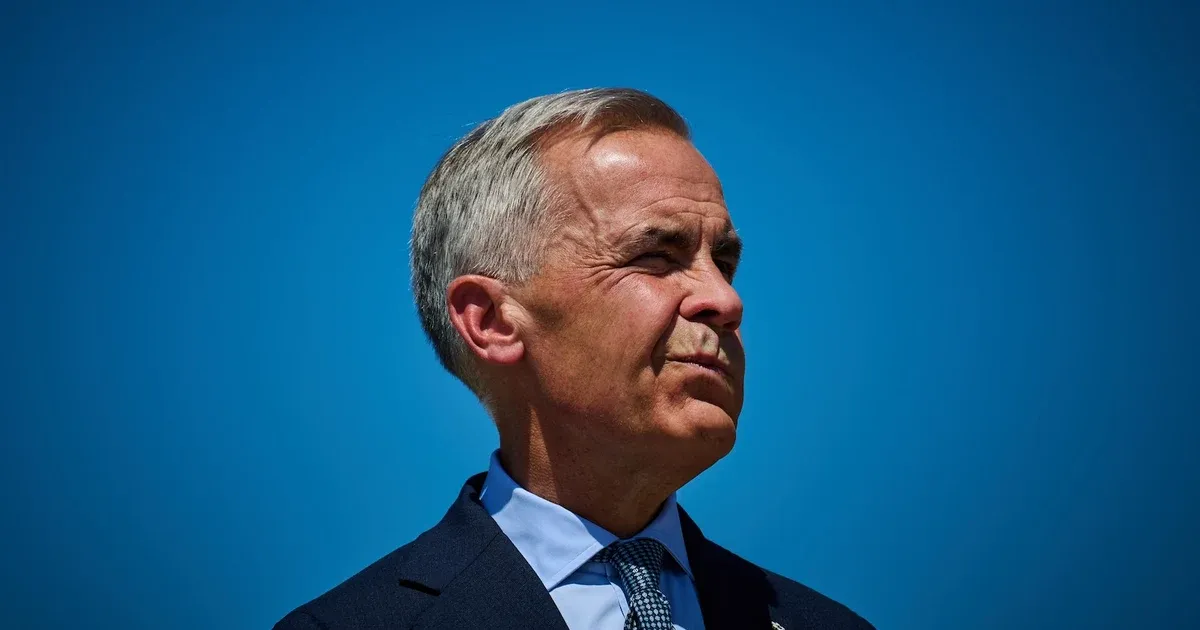
Canadian Prime Minister Mark Carney is keeping trade negotiations with Washington active even as the language around them grows harsher. Canadian officials were in the U.S. capital this week, and Carney said he expected more conversations with President Donald Trump after the two leaders spoke last week. His comments on August 6, 2026, placed the talks between two competing realities: both governments still have reasons to bargain, but companies must prepare for another tariff increase.
Trump used a speech in Las Vegas to call Canada and its leadership nasty while threatening to widen import charges. Carney laughed when asked about the description, then framed the dispute around employment and the prospects of Canadian businesses. His response did not announce a concession or a break in talks. It showed Ottawa trying to separate the personal attack from a negotiation that affects factories, exporters and consumers on both sides of the border.
August Deadline Puts Existing Tariffs Back in the Negotiating Room
Canadian steel, aluminum and vehicle imports already face duties at the U.S. border. Trump has threatened a 50% rate on additional goods beginning August 19, giving negotiators a fixed date rather than an open-ended dispute. The proposed expansion follows an earlier 50% tariff order. Businesses now have to weigh the possibility of a deal against the cost of stock arriving after the higher rate takes effect.
Canada has answered U.S. measures with counter-tariffs of its own. U.S. Trade Representative Jamieson Greer has pointed to provincial restrictions on American alcohol as evidence that Ottawa is retaliating, while Canadian officials describe those steps as responses to duties Washington imposed first. That disagreement matters because it changes what each side calls a fair settlement. Washington wants Canadian restrictions removed; Ottawa wants relief from the tariffs that triggered its response.
“This is a tough negotiation,” Carney said in French. “You can say ‘nasty.’ But this is a question of Canadian jobs.”
The costs are already visible in one sector. Carney attributed a 58% increase in U.S. aluminum prices to existing American tariffs, arguing that the policy is also raising expenses for U.S. companies. Import charges are paid at the border by importing businesses, which can absorb them, press suppliers for lower prices or pass them to customers. The scale of commerce between the two countries allows those choices to travel through supply chains built around frequent cross-border shipments.
Political pressure complicates the commercial calculation. Trump has repeatedly advocated making Canada an additional U.S. state, angering Canadians and contributing to canceled trips south of the border. In a January speech at the World Economic Forum, Carney portrayed economic coercion by major powers as a danger to smaller states. The dispute therefore reaches beyond the tariff table: Ottawa is defending room to make national policy while Washington argues that Canadian trade practices disadvantage American producers.
The U.S. calendar adds another constraint. The threatened rate would arrive less than three months before the November 3 midterm elections, when high living costs are already a concern for voters. Trump argues that tariff costs will persuade manufacturers to relocate production to the United States, but the economic data cited by the Associated Press offered little evidence of that shift. Until relocation occurs, importers and customers face the more immediate price risk.
Negotiators Need a Measurable Result Before Importers Reprice
The August 19 tariff deadline gives both governments a practical measure of progress. A postponement, exemption or lower rate would let companies keep using established suppliers with less immediate disruption. No agreement would force importers to decide whether to pay the higher charge, shift orders or raise prices. Carney’s decision to keep officials in Washington preserves a route to relief, but his public emphasis on Canadian jobs limits the political space for accepting a deal that appears one-sided.
Further Carney-Trump conversations can address the immediate rate, yet the durable issue is how retaliation will be unwound. If Washington removes only part of its tariffs while Canadian countermeasures stay in place, the dispute will continue through alcohol sales, industrial inputs and vehicle supply chains. If both sides sequence relief, they can give businesses a timetable for contracts and inventories. The approaching customs date turns diplomatic tone into an operational decision: negotiators must produce terms that companies can use before the threatened charge reaches the border.