President Donald Trump ordered a 50% tariff on a broad range of imports from Canada, sharply raising the cost barrier between two closely connected economies. Wine, hockey sticks and cement are among the covered goods. Energy, potash, fish and critical minerals are excluded from the order.
The White House gave importers 30 days before collection begins, creating time for talks while requiring businesses to prepare contracts and inventories for a much higher rate. Trump signed the three proclamations on July 20, 2026, assigning separate complaints to Canadian treatment of American cars, dairy products and alcohol.
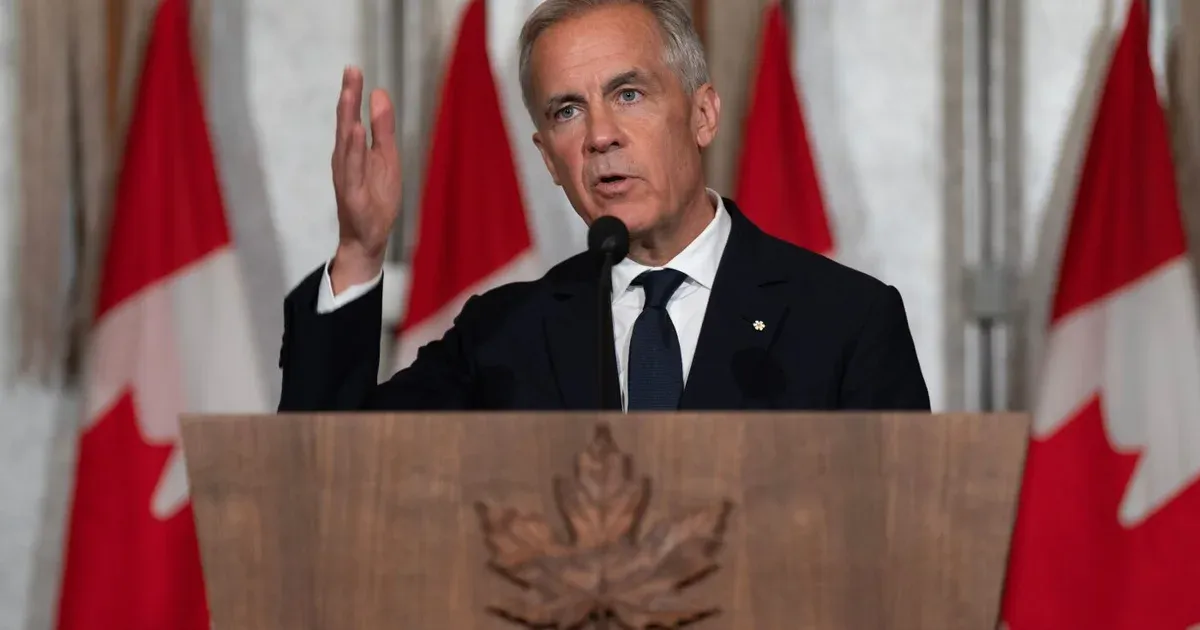
Prime Minister Mark Carney said Canada was ready to intensify negotiations with Washington. His government has already used and later reduced retaliatory duties during the current dispute. Selected American steel, aluminum and vehicle imports still face a Canadian counter-tariff of 25%. Ontario Premier Doug Ford urged a matching response if the new US charges proceed, raising the prospect that another round of countermeasures could reach exporters on both sides of the border.
Section 338 Replaces the Emergency-Powers Route
The administration is relying on Section 338 of the 1930 Tariff Act, an obscure provision aimed at discrimination against American commerce. It permits a president to answer unequal treatment with additional import charges, but its use in a modern trade conflict has not been tested in court. That choice follows a Supreme Court ruling in February that rejected many tariffs imposed through emergency powers. The justices concluded that Trump had gone beyond powers attached to a statute intended for emergencies. The new proclamations therefore test a different presidential power.
Each proclamation identifies a trade practice the White House regards as unequal. The automotive complaint focuses on a Canadian charge applied to US vehicles and parts that fail to qualify for preferential treatment. The dairy dispute concerns Canada’s supply-management quotas and steep rates above those limits. For alcohol, Washington objects to provincial restrictions on purchasing and selling American drinks.
The order says the 50% rate applies even when a product would otherwise receive favorable treatment under the USMCA. That feature distinguishes the action from a narrow penalty on goods already outside the pact. The United States declined to renew the agreement in its current form earlier this year, but the treaty continues on a rolling basis with annual reviews. The tariff places the administration in conflict with protections negotiated during Trump’s first term and opens a legal question about how far a 1930 statute can override a later regional agreement.
Integrated Supply Chains Now Sit Outside the Exemption
North American vehicle production depends on parts crossing national borders at several stages before final assembly. A blanket charge on qualifying Canadian goods can therefore enter the cost of a US-made vehicle through components rather than solely through finished imports. Suppliers must decide whether to accelerate shipments during the 30-day interval or accept the risk that inventories arrive after the rate begins. Existing duties on Canadian steel, aluminum, copper, lumber and non-US automotive content had already increased friction before the new order.
The exclusions limit the immediate effect on several strategic commodities. Canadian energy and potash remain outside the 50% schedule, reducing the risk of an abrupt shock to fuel and fertilizer supply. The line drawn around those sectors also makes the policy selective: Washington is preserving inputs it considers difficult to replace while applying maximum pressure to consumer products and politically sensitive industries.
Tariffs are collected from the companies importing goods into the United States. Those businesses can absorb the cost, demand lower prices from suppliers or pass part of it to buyers. Canadian retaliation would create the same choices for firms bringing American products north. The resulting burden depends on exchange rates, available substitutes and how quickly companies can move purchasing away from established suppliers.
Thirty Days Leave Room for a Deal but Not for Stability
The delayed start prevents an immediate customs shock and gives negotiators a defined window. Carney can seek exemptions or a lower rate without first unwinding a tariff already being collected. Trump can also claim leverage before deciding whether to carry out the full order, a pattern that has previously produced pauses or adjusted rates during trade talks.
Ottawa’s alternative is a calibrated counter-tariff designed to pressure US constituencies without raising Canadian costs more than necessary. Canada imposed a 25% levy on roughly C$30 billion of American goods last year before removing some measures. Repeating that approach at a larger scale would broaden the political dispute and could make an agreement harder once affected industries demand protection.
The central measure over the next month is not the announced percentage but the treatment of goods that had crossed under regional rules. If Washington preserves the order’s reach inside USMCA, the pact will offer less certainty during its annual reviews even if formal membership continues. Those reviews would become recurring pressure points for companies deciding where to build and source components across North America. A negotiated carve-out could contain the immediate damage; failure would turn a legal experiment under Section 338 into a direct test of North America’s integrated trading system.