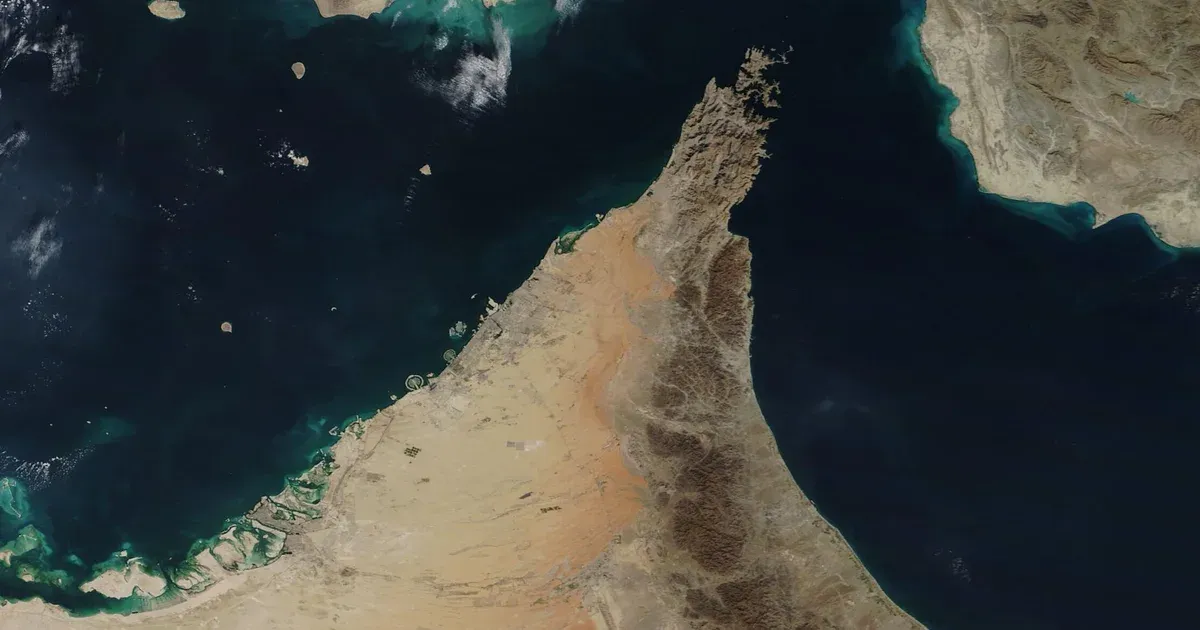
Iran shuttered maritime traffic through the Strait of Hormuz, triggering a surge in energy prices that immediately pressured currency values across Southeast Asia. Brent crude prices jumped within hours of the announcement. Markets in South Korea and Japan reacted with immediate volatility. Traders weighed the risk of a prolonged supply squeeze against stronger regional financial buffers. The April 9, 2026, disruption revived comparisons with past currency shocks while exposing new market vulnerabilities.
Investors remember the contagion that began in Bangkok and swept through Jakarta and Seoul during the late nineties. At that time, many nations maintained rigid currency pegs to the U.S. dollar, which left them vulnerable to speculative attacks when foreign reserves dwindled. Those fixed exchange rates forced central banks to choose between exhausting their hard currency or allowing a catastrophic devaluation. Most eventually lost that battle, leading to years of austerity and International Monetary Fund intervention.
Energy costs today certainly mimic the inflationary pressure points seen in previous decades. Crude oil is the primary input for the manufacturing hubs of Vietnam, Thailand, and Malaysia. Rising prices for petroleum products naturally weaken the trade balance for these net importers. When the cost of energy imports rises faster than the value of exported electronics or automobiles, the local currency often depreciates to compensate for the widening gap.
Asian Foreign Exchange Reserves Build Defensive Moats
Forex reserves in the region have expanded to levels that make the 1997 comparisons technically flawed. Back then, Thailand held roughly $30 billion in reserves before the crisis hit. Today, the Bank of Thailand manages a stockpile exceeding $220 billion. This large accumulation of dollar-denominated assets allows central banks to intervene in markets to smooth out excessive volatility without the fear of immediate insolvency.
Currency flexibility acts as a second line of defense that was absent in the late twentieth century. Most Asian nations now use floating exchange rate regimes that allow their currencies to adjust gradually to market shocks. While a weaker currency makes oil more expensive, it also makes exports more competitive on the global stage. This automatic stabilizer prevents the pressure from building up until a sudden, violent break occurs.
Regional cooperation has also matured through the creation of the Chiang Mai Initiative Multilateralization. This framework provides a multibillion-dollar safety net that allows member states to swap local currencies for dollars during liquidity crunches. It functions as a regional alternative to traditional global lenders. Member states have sharply increased the size of this facility since its inception to ensure that no single country faces a sudden dollar shortage.
Structural Evolution Since the 1997 Financial Crisis
Debt profiles across the continent have undergone a quiet but deep transformation since the turn of the century. During the 1997 crisis, many Asian corporations held huge amounts of short-term debt denominated in U.S. dollars. When local currencies fell, the cost of servicing those debts skyrocketed, leading to widespread bankruptcies. Current data shows that a much larger portion of corporate and sovereign debt is now issued in local currencies like the won or the baht.
Local currency bond markets provide a buffer against external exchange rate shocks. Companies no longer face the same existential threat from a falling exchange rate because their liabilities match their revenue streams. Banking sectors in the region also maintain higher capital adequacy ratios than they did during the 1990s. These stronger balance sheets allow commercial banks to absorb losses from higher energy costs without cutting off credit to the wider economy.
Supply Chain Diversification also helps reduce the impact of the Hormuz disruption. While the Middle East remains an essential source of crude, Asian refineries have increased their intake from West Africa, the United States, and South America. The geographical spread reduces the systemic risk of a single maritime chokepoint. Refineries in the region have also invested in sophisticated processing technology that allows them to handle different grades of crude with greater efficiency.
Energy Costs Strain Current Account Balance Sheets
Oil prices rising toward $150 per barrel would still create severe headwinds for regional growth. Higher fuel costs act as a regressive tax on consumers, reducing discretionary spending and slowing down domestic demand. Transportation and logistics companies face the most direct pressure, as they must either absorb the costs or pass them on to wholesalers. Government budgets in countries like Indonesia might also suffer if they attempt to shield citizens through fuel subsidies.
The current institutional framework in East Asia provides a strong defense against the type of systemic contagion that decimated regional economies in the late twentieth century, according to the International Monetary Fund.
Inflation remains a persistent threat that could force central banks to raise interest rates even as growth slows. The scenario, known as stagflation, is the primary concern for policy makers in 2026. Higher interest rates would increase the cost of borrowing for households and businesses, potentially cooling off the post-pandemic recovery. Most analysts believe the region can manage a temporary spike in energy costs as long as the Strait of Hormuz does not stay closed for several months.
Japan and South Korea possess strategic petroleum reserves that can satisfy domestic demand for approximately 90 days. These stockpiles are designed specifically for the type of emergency now unfolding in the Persian Gulf. Releasing these reserves can help stabilize prices at the pump and provide time for diplomatic efforts to reopen the shipping lanes. The coordinated release of oil from various national stockpiles usually serves to dampen speculative fervor in the futures markets.
Financial historians often fail because they search for ghosts that have already been exorcised. The obsession with the 1997 Asian Financial Crisis obscures a more pressing reality: Asia has traded its currency vulnerability for a deep, systemic dependency on energy imports that no amount of forex reserves can fix. While the region will not see a repeat of the baht's collapse, it faces a far more grinding form of economic erosion that could last for years.
Complacency is the true danger here. Policymakers have spent 30 years building a fortress against the last war, focusing on bank capitalization and dollar liquidity. They have largely ignored that their manufacturing miracles still run on a single, vulnerable commodity flowing through a narrow waterway. The lack of a unified regional energy grid or a common nuclear policy has left them at the mercy of geopolitical actors thousands of miles away.
The era of cheap, reliable energy is dead, and no amount of currency flexibility can bring it back. If the Strait of Hormuz remains contested, the economic center of gravity will shift away from the energy-hungry Asian hubs toward resource-rich Western nations. It is not a financial crisis of liquidity, but a physical crisis of supply. Asia is about to learn that you cannot eat your foreign exchange reserves.