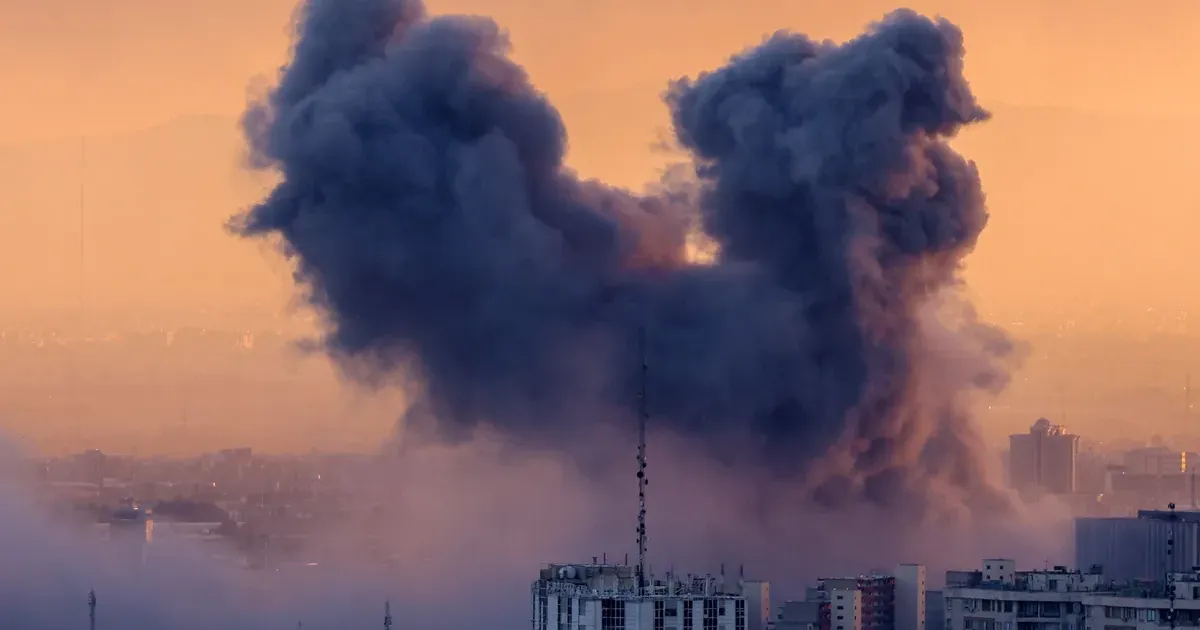
The Iran war pushed oil above $100 earlier in 2026 and turned a military crisis into a wider economic test. The Strait of Hormuz sat at the center of the move because a major share of global oil and LNG flows depends on the waterway. Even partial disruption, higher insurance costs or slower shipping can raise prices quickly.
The market shock was never limited to gasoline. Energy prices move through freight, aviation, food production, plastics, chemicals and manufacturing. When crude rises, diesel costs more, fertilizer production becomes more expensive and retailers begin preparing for higher logistics bills. A war in the Gulf reaches households through several doors at once.
Hormuz Is More Than An Oil Chokepoint
Hormuz is often described through oil because oil is the easiest price to see. That shorthand misses the deeper supply-chain problem. The Gulf also matters for liquefied natural gas, petrochemical feedstocks, sulfur, ammonia, urea and other inputs that feed agriculture, plastics, mining, semiconductors and medical technology.
A shipping crisis around the strait therefore can travel through the economy long after the first crude spike. A delayed tanker affects refiners quickly. A disrupted sulfur or ammonia flow can affect fertilizer supply, planting costs and food prices over a much longer cycle. The consumer may not know the route, but the bill can still arrive.
Fertilizer Turns Energy Into Food Inflation
Fertilizer is one of the clearest transmission channels. Nitrogen fertilizer depends heavily on natural gas, and Gulf exports of ammonia, urea and related materials matter to global agriculture. If those flows become uncertain, farmers and food companies face higher input costs before crops even reach the field.
That is the kind of inflation central banks dislike most. Raising interest rates can cool demand, but it cannot reopen a waterway, replace a damaged export chain or make fertilizer cheaper by decree. A supply shock forces policymakers to fight price pressure with tools that do not directly fix the shortage.
Sulfur And Helium Expose Hidden Dependencies
Raw materials add another layer. Sulfur from the Persian Gulf supports sulfuric acid production, which is used in fertilizers, metals processing, batteries, paper, pigments and other industrial chains. If sulfur flows tighten, the effect can show up far from oil markets, including in mining and clean-energy supply chains.
Helium is even less visible to consumers, but it is important for MRI systems, semiconductor manufacturing, research and aerospace uses. Analysts warned that Gulf disruption could tighten specialized inputs like helium and petrochemical feedstocks. Those markets are smaller than oil, but their shortages can be difficult to substitute.
Some Claims Still Need Restraint
Not every dramatic warning deserves to be treated as confirmed fact. Reports of universal fuel rationing, exact tanker-insurance jumps, fixed semiconductor delays or guaranteed food shortages require direct data before they become categorical claims. The verified story is already serious enough: a chokepoint war can create a sustained supply premium across energy and industrial inputs.
Credibility depends on that caution. The economic damage of the Iran war is real, but exaggerating every possible shortage can make the analysis less credible. A narrower reading is even harsher: the Gulf does not have to shut completely for global prices to move. Uncertainty alone can raise the cost of planning.
The War Premium Becomes A Household Tax
The political risk for Washington and other capitals is direct. Voters may accept force against Iran in security terms, but they feel the war first through fuel, groceries, freight surcharges and borrowing costs. A government can describe the campaign as necessary. The public still asks why the weekly budget suddenly feels tighter.
Modern economies remain more oil- and materials-sensitive than political speeches admit. A conflict that looks geographically contained can still tax consumers on every continent. Once airlines hedge differently, manufacturers delay orders and governments review subsidies, the war premium moves from daily oil charts into contracts and behavior.
The price of crude therefore became a political number. It was not only a market signal. It was a warning that the Iran war had entered the plumbing of the global economy, where small disruptions can become expensive before most households understand where the cost began.