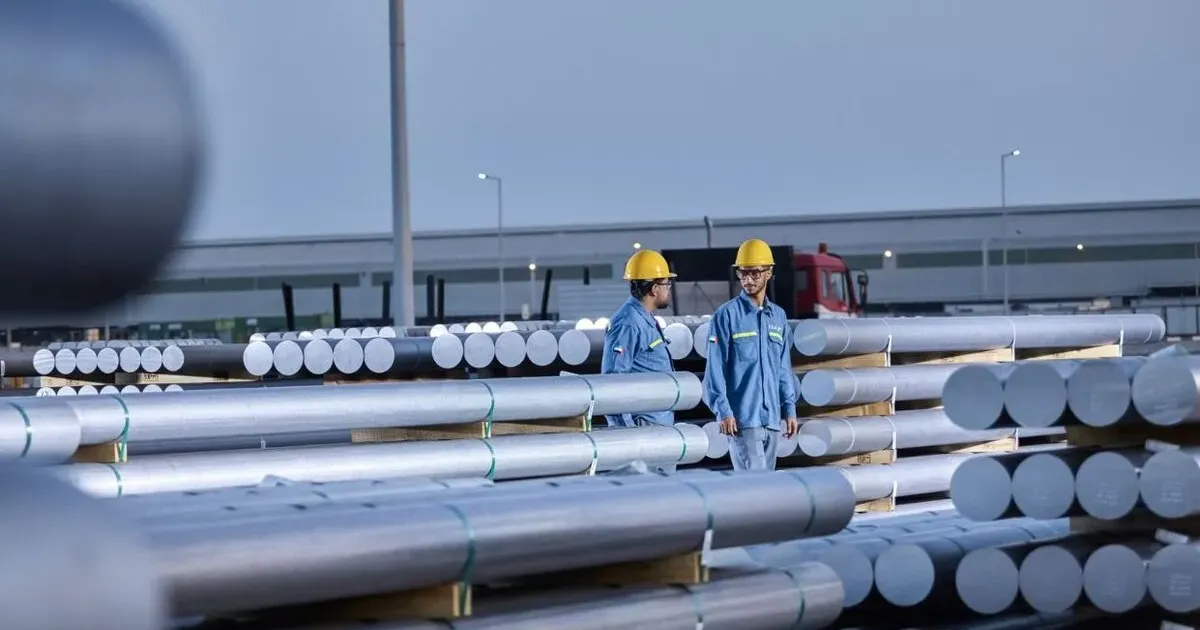
Abu Dhabi officials confirmed that Emirates Global Aluminium sustained heavy damage following a barrage of Iranian missiles and drones. The update came on March 28, 2026. Explosions rocked the Kezad industrial zone, targeting the Al Taweelah smelter in an escalation of the ongoing regional war. This facility, a foundation of the industrial strategy for the United Arab Emirates, provides essential metal for global automotive and aerospace sectors. Markets responded instantly to the disruption, with primary aluminum prices surging on the London Metal Exchange as traders calculated the loss of output from one of the largest producers in the world.
Reports from the ground suggest multiple production lines are now offline. Workers evacuated the site during the early morning hours when the first projectiles struck the power generation infrastructure servicing the smelting pots. Cooling failures in these pots often lead to catastrophic metal solidification, requiring months of expensive reconstruction to rectify.
Iranian military maneuvers have effectively choked the Strait of Hormuz, creating a bottleneck that threatens not merely metal exports. Liquid natural gas and ammonia shipments are stalled, directly impacting the feedstock required for synthetic nutrients. Farmers across the Northern Hemisphere are entering a critical planting window without the stability of their most essential inputs. Nitrogen production requires immense volumes of natural gas, and the price of that fuel has climbed alongside crude oil as the conflict intensifies. Global trade flows are realigning under the pressure of kinetic warfare, forcing logistics firms to reroute vessels around the Cape of Good Hope.
Emirates Global Aluminium Damage at Al Taweelah Site
Damage assessments at the Al Taweelah smelter indicate that Iranian strikes focused on the energy grid and logistical hubs within the industrial park. Metal production requires a constant, large flow of electricity to keep the electrolytic cells operational. Any interruption in power causes the molten aluminum to freeze within the pots, essentially destroying the equipment. Recovery from such an event involves physically jackhammering out the solid metal, a process that can take a year or more for a facility of this scale. Industry analysts had previously warned that industrial assets in Abu Dhabi remained vulnerable to long-range drone technology. Previous security measures failed to intercept the volume of incoming fire during the March 28, 2026, engagement.
Aviation giants like Boeing and Airbus rely on the high-purity ingots produced at this specific site. Disruption here ripples through the manufacturing queues of every major aircraft carrier and defense contractor. While Bloomberg suggests the damage may be contained to specific potlines, local industrial sources claim the entire power station at the site was the primary target. Loss of this infrastructure would halt all aluminum processing indefinitely. Strategic reserves in the West are already at decade-low levels, leaving little cushion for such a major supply shock. International buyers are now scrambling to secure contracts from alternative suppliers in Canada and Australia. Prices for high-grade aluminum will likely remain elevated until a ceasefire or a viable repair timeline emerges. The strike on the smelter has intensified the strain on the global supply chain, which is also reeling from chemical and petrochemical disruptions.
Iranian Conflict Disrupts Global Nitrogen Fertilizer Supply
Agricultural stability depends on the Haber-Bosch process, which converts natural gas into ammonia for fertilizer. Because the war in Iran has disrupted regional gas production and exports, the global supply of nitrogen has tightened to dangerous levels. Fertilizer expert Josh Linville notes that the blockage in the Persian Gulf prevents millions of tons of urea and ammonia from reaching international markets. This scarcity arrives at the exact moment when farmers in the United States and Europe must apply nutrients to ensure high crop yields. Nitrogen cannot be easily substituted with other chemicals, making it a non-negotiable requirement for modern cereal production. If the shortage persists through the spring, the total volume of food produced this year will drop sharply.
Input costs for the agricultural sector have doubled in several regions over the last month. Natural gas serves as both the fuel and the raw material for nitrogen plants, meaning fertilizer prices track energy markets with extreme sensitivity. Rising fuel costs make the transport of these bulky goods even more expensive. Farmers must decide between planting fewer acres or risking insolvency by taking on huge debt to cover their input requirements. Financial institutions are tightening credit lines for the agricultural sector as the risks of crop failure and price volatility increase. Global food security relies on these invisible chemicals.
The farmers are facing a double whammy as both fuel and fertilizer costs surge at a critical moment in the planting season, says Chrystia Freeland.
Rising Energy Costs Threaten Agricultural Yields
CoBank CEO Tom Halverson warns that the financial health of the agricultural heartland is deteriorating. Farmers were already struggling with weak commodity prices before the Iranian conflict triggered a spike in production costs. High energy prices increase the cost of running irrigation pumps, tractors, and grain dryers. These operational expenses, combined with the fertilizer crisis, create a squeeze on profit margins that many family-owned operations cannot survive. Low margins often lead to reduced investment in technology and seed quality, which compounds the threat to future harvests. Market data indicates that corn and wheat futures are already pricing in a smaller-than-expected crop for the 2026 season. Inflation in the grocery aisle is the inevitable result of these upstream disruptions.
Global grain stocks are not sufficient to absorb a sustained multi-year drop in output. Previous years of climate-related harvest failures have already depleted the surplus usually held in reserve by major exporting nations. War in the Middle East has now weaponized the very chemistry of food production. When nitrogen becomes a luxury, subsistence farming becomes the only option for developing nations. Wealthier countries will use their purchasing power to outbid poorer ones for the remaining supply, potentially triggering social unrest in regions dependent on imported grain. Energy markets have historically been the focus of Middle Eastern conflict, but the current struggle highlights the terrifying link between gas and bread.
The Strait of Hormuz blockage is now the main shipping risk for international buyers.
Shipping lanes through the Persian Gulf carry roughly one-fifth of the world's total petroleum consumption. Kinetic actions against tankers and port infrastructure have forced insurance premiums to prohibitive levels for many commercial operators. Some shipping lines have suspended all transit through the region, opting for the longer, more expensive route around Africa. This adds 10 to 14 days to the delivery schedule for goods moving between Asia and Europe. Inventory levels in various sectors are falling as the just-in-time delivery model fails under the strain of unpredictable delays.
Supply Chain Shock
Resource dependency has created a fragile world where a single missile in Abu Dhabi can raise the price of a loaf of bread in Chicago. The attack on the Al Taweelah aluminum smelter is not merely a regional skirmish; it is a direct strike on the global manufacturing supply chain. Aluminum is the metal of modern warfare and green energy, essential for everything from fighter jets to solar panels. By targeting the power grid of the Kezad industrial zone, Iran has demonstrated its ability to paralyze the economic diversification efforts of its neighbors. The vulnerability exposes the limits of the UAE's industrial ambitions despite persistent asymmetric threats.