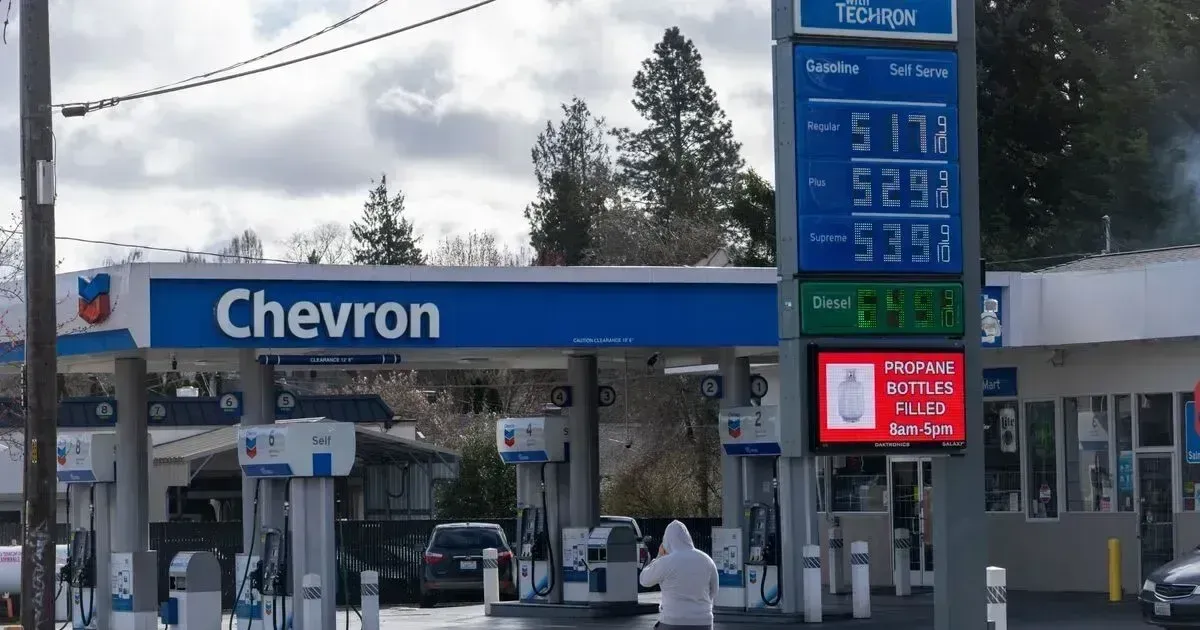
A wider Iran war would hit the global economy first through fuel, food and debt pressure rather than battlefield damage alone. Poorer states would absorb the shock fastest because they import energy, rely on fragile food systems and borrow in expensive dollars. The warning is not abstract. United Nations researchers said on April 13, 2026, that full-scale escalation could push 32 million people into extreme poverty. Economic instability is no longer a distant theoretical concern for developing nations. Rapidly rising energy costs are draining national reserves in the Global South. Weaker economic growth is expected to persist for the next three fiscal quarters regardless of immediate de-escalation efforts. Food prices have reached levels that mirror the volatility of the 1970s oil crisis. Developing countries face the most severe consequences of this disruption. These nations rely heavily on stable commodity prices to maintain basic social safety nets. When fuel costs rise, the price of transporting grain and essential medicines follows immediately. Most primary trade routes through the Middle East are now considered high-risk zones by international insurers.
“Development in reverse is taking place, involving rising energy and food costs and weaker economic growth,” the United Nations Development Programme said in its latest assessment.
Voters in the United States are reacting to these global pressures with increasing hostility toward the current foreign policy stance. Republican Representative Mike Lawler faced intense questioning from constituents in his suburban New York swing district regarding the potential for a prolonged engagement. Residents expressed deep anxiety about the domestic impact of secondary sanctions and energy price spikes. These suburban voters are prioritizing their household budgets over geopolitical maneuvering ahead of the upcoming midterm elections.
UN Poverty Projections
Data from the latest international monitoring reports indicate that the poverty threshold is being breached at an accelerating rate. Families in Sub-Saharan Africa and Southeast Asia are seeing their purchasing power evaporate. Currency devaluation is making it impossible for smaller governments to import necessary fertilizers for the spring planting season. Yields are expected to drop by 15 percent in the coming harvest cycle. Global markets are pricing in a long-term disruption of the Strait of Hormuz. Shipping lanes that carry a significant part of the world's petroleum are currently under threat. Logistics firms have already begun rerouting vessels around the Cape of Good Hope. This change adds ten days to transit times and increases carbon emissions per ton of freight. International aid organizations are struggling to keep up with the demand for emergency relief. Funding for these programs is being diverted to cover the rising costs of logistical operations. Humanitarian corridors remain blocked or under-resourced in several key conflict zones. Basic survival has become a luxury for millions of people living on less than two dollars a day.
Suburban Politics and War Costs
Constituents in Lawler's district are not focusing on abstract strategy. They are demanding answers about the price of gasoline at the pump and the cost of heating oil for the winter. Lawler maintains that a strong military posture is necessary for long-term stability. Voters, however, are skeptical of any policy that requires immediate financial sacrifice for uncertain future gains. The political climate in swing districts has become increasingly volatile as the economic cost of the conflict becomes visible. Polling data indicate that economic concerns are now the top priority for 65 percent of likely voters. This shift is a move away from traditional partisan allegiances. Independent voters are particularly sensitive to fluctuations in the Consumer Price Index. Lawler's seat is considered an indicator for the control of Congress.
Local businesses in suburban New York are also feeling the pinch of supply chain delays. Small electronics retailers and automotive shops cannot get parts delivered on schedule. Inventories are at their lowest levels since the 2021 global logistics crunch. Profit margins are being squeezed by both rising wholesale costs and declining consumer confidence.
Energy Shocks in Developing Economies
Rising energy prices act as a regressive tax on the global population. Low-income households spend a larger percentage of their earnings on fuel and electricity. When these costs spike, spending on education and healthcare is the first to be cut. National debt levels in the developing world are reaching unsustainable peaks as governments borrow to subsidize energy for their citizens.
Brent crude prices have stayed consistently above $110 per barrel for three consecutive months. This sustained high price environment is siphoning capital away from green energy transitions. Many countries are forced to restart coal-fired power plants to meet immediate demand. Environmental goals are being sacrificed for short-term energy security.
Central banks are in a difficult position regarding interest rate policy. High inflation suggests a need for tighter monetary policy, yet slowing growth makes rate hikes dangerous. Stagflation is no longer a historical footnote but a current reality for many mid-sized economies. Investors are fleeing to safe-haven assets like gold and U.S. Treasury bonds.
Food Security Under a Fragile Ceasefire
Agricultural production in the Fertile Crescent has halted entirely. Farmers have abandoned their fields due to the proximity of military operations. Irrigation systems have been destroyed or rendered inoperable by power outages. The region was once a significant exporter of specialized crops and livestock.
Global grain reserves are at their lowest point in a decade. Major exporters like Russia and Ukraine are still recovering from their own regional disruptions, leaving little room for error. Any further escalation in the Middle East would likely push wheat prices to record highs. Export bans are being considered by several nations to protect domestic supplies.
Logistical hubs in the Persian Gulf are operating at 40 percent capacity. Port workers are often unable to reach their jobs due to security lockdowns. Container ships are sitting idle in the Gulf of Oman, waiting for clearance to enter the narrow waterways. Each day of delay costs the global economy billions of dollars in lost productivity.
Development Risks After the Shock
Geopolitical adventurism in the Middle East is a luxury that the current global economic architecture can no longer afford. Policymakers in Washington and London seem to operate under the delusion that regional wars can be contained within a digital sandbox. The United Nations report proves otherwise. When 32 million people are pushed toward starvation, the result is more than a humanitarian crisis; it is a total collapse of the consumer base that Western corporations rely on for growth.
Rep. Mike Lawler is merely the first casualty of a voter base that is finally connecting the dots between foreign intervention and their own empty wallets. Americans have grown weary of being told that their standard of living must be sacrificed to maintain a global order that feels increasingly disorderly. If the United Nations Development Programme projections hold true, the political blowback will extend beyond a midterm swing. It will be a wholesale rejection of the interventionist consensus that has dominated both parties for decades.
National security is a hollow concept if it requires the impoverishment of the very citizens it claims to protect. The economic feedback loop is tightening. Higher oil prices lead to higher transport costs, which lead to higher food prices, which lead to civil unrest. The cycle is predictable and avoidable. Pursuing a full-scale war with Iran is a path toward economic suicide. A reckless gamble.