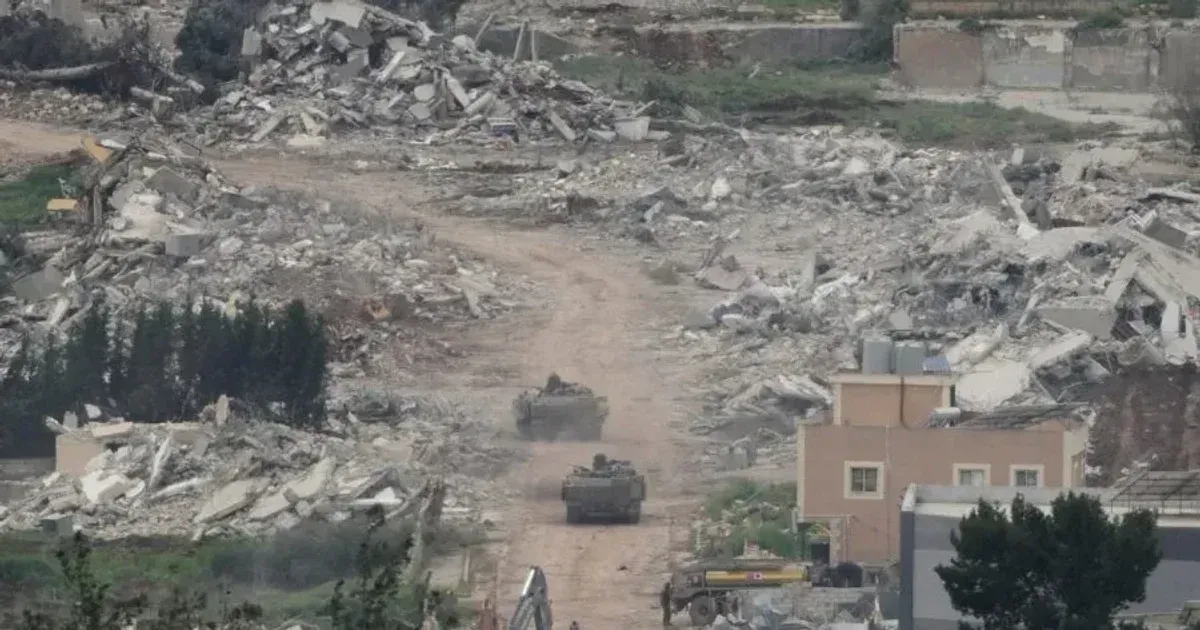
The Israel-Lebanon ceasefire agreement turned military sequencing into the main diplomatic test. The six-point plan matters because verification will decide whether displaced civilians can return. Regional energy markets are also watching the Hormuz reopening. Lebanon and Israel began a formal cessation of hostilities on April 17, 2026, after high-level negotiations produced a six-point framework for regional stability. National governments in Beirut and Jerusalem ordered their respective military commands to halt all offensive operations at midnight local time. Conflict had ravaged the border regions for months, displacing hundreds of thousands of civilians and disrupting global maritime routes. Provisions of the deal require a phased withdrawal of combatants from the Blue Line over a 60-day period. Diplomats from the United States and France enabled the final language of the text during marathon sessions in Nicosia. Intelligence reports suggest that the halt in fire remained intact through the first six hours of implementation.
Iranian officials announced on Tuesday that the Strait of Hormuz is now completely open for international transit. Tehran linked the maritime reopening directly to the pause in northern Israeli combat operations. Uncertainty persists regarding how this declaration affects the existing United States naval blockade in the corridor. Washington has not yet confirmed a relaxation of its maritime interdiction policies. Ships carrying energy supplies had previously been diverted around the Cape of Good Hope to avoid the volatile waterway. Maritime insurance premiums for vessels entering the Persian Gulf fluctuated wildly upon the news.
Global oil markets reacted with a sharp 3% drop in Brent crude futures during early trading. The Strait of Hormuz is the world's most critical chokepoint for petroleum exports.
Verification Mechanics of the Six-Point Accord
Specific protocols within the agreement mandate the total withdrawal of non-state armed groups from the territory between the Blue Line and the Litani River. Hezbollah units must relocate their heavy weaponry and personnel north of this geographic boundary. Verification will fall under the jurisdiction of an expanded monitoring committee. Success relies on the accurate mapping of existing tunnels and subterranean infrastructure. Lebanon has committed to destroying all illicit launch sites within the designated zone. Israeli drones will continue limited surveillance flights to ensure compliance, though combat sorties are strictly prohibited. Violations by either party trigger a tiered response mechanism led by international mediators. Satellite imagery confirmed the first movement of armored columns away from the border at dawn.
Construction of temporary observation posts began immediately along the hills overlooking the Galilee. French and American military attachés will provide technical assistance to the oversight committee. Local commanders received strict orders to avoid any provocative posture during the redeployment phase. Civilian residents on both sides of the border expressed cautious optimism while remaining in shelters. Property damage in southern Lebanese villages is estimated at over $4 billion by international development banks. Reconstruction efforts cannot begin until the Lebanese Armed Forces establish full security controls. Engineering units from the national army moved toward Marjayoun to begin demining operations. Combat engineers focused on clearing unexploded ordnance from agricultural lands.
Strait of Hormuz Reopens Under Iranian Proclamation
Iran maintains that the cessation of fighting in the Levant removes the immediate necessity for maritime restrictions. Senior commanders in the Islamic Revolutionary Guard Corps issued directives to coastal batteries to stand down. Commercial traffic through the strait increased by 12% within hours of the announcement. Bulk carriers and LNG tankers began queuing for passage near the Port of Fujairah. Despite the Iranian claim, the United States Fifth Fleet continues to maintain a visible presence in the Gulf of Oman. Naval officers informed merchant vessels that the blockade on specific sanctioned entities remains in force.
Confusion at the Bab el-Mandeb Strait further complicates the broader regional shipping picture. Conflict in the north had been the primary justification for Iranian naval interventions.
Economic analysts noted that the reopening could restore stability to global supply chains. Inflationary pressures in Europe had spiked due to the increased costs of shipping from the Middle East. Reopening the strait enables the flow of roughly twenty million barrels of oil per day. Ports in the United Arab Emirates and Kuwait signaled they are ready to resume full-scale export operations. This reopening remains contingent on the sustained absence of Israeli airstrikes in Lebanon. Tehran has warned that any resumption of the air campaign will result in an immediate closure of the waterway.
Strategic reserves in several G7 nations are currently at their lowest levels in a decade. Refineries in South Korea and Japan have already placed new orders for immediate delivery.
Southern Lebanon Transition to Lebanese Armed Forces
Deployment of the Lebanese Armed Forces is the foundation of the security transition. Military planners in Beirut scheduled the arrival of four additional brigades to the southern sector.
A spokesperson for the Lebanese government stated that the deployment of national troops would begin within forty-eight hours to ensure state sovereignty over all territories.Support for the Lebanese military includes new shipments of armored transport vehicles and communication gear from Western donors. Internal political factions in Beirut reached a rare consensus regarding the necessity of this deployment. Public trust in the national army is high compared to other state institutions.
Units will occupy vacated positions formerly held by paramilitary groups. Soldiers must navigate a complex social environment where local loyalties are deeply divided. The mission includes the enforcement of a weapons-free zone south of the Litani.
United Nations peacekeepers will provide logistical support to the arriving Lebanese battalions. UNIFIL personnel have started joint patrols to mark the limits of the new security zones. Operational coordinates were shared between the two militaries via a third-party liaison office in Naqoura. This move aims to prevent accidental skirmishes between withdrawing Israeli forces and advancing Lebanese troops. Logistics hubs in Sidon and Tyre are now processing supplies for the expanded military presence. Basic services such as electricity and water require immediate military protection to resume function. Hospitals in the south reported a desperate need for medical supplies and fuel for generators. Civilian convoys are expected to begin returning to their homes by the end of the month.
Security Buffer Zone and Monitoring Protocols
Implementation of the six points occurs in three distinct stages over the next two months. First, all offensive actions stopped, and the parties established a direct communication line. Second, the Lebanese Armed Forces began their southward movement while Hezbollah retreated. Third, Israel will initiate a total withdrawal of its ground forces once the LAF achieves full operational density. A special committee chaired by a senior United States official will judge disputes over border incursions. This mechanism replaces the previous informal arrangements that failed during the 2024 escalation.
Every kilometer of the border is now under continuous electronic surveillance by international monitors. Electronic warfare units have agreed to cease jamming civilian GPS signals in the region. Mapping experts are currently clarifying small discrepancies in the 1923 international boundary line.
Security in the buffer zone is essential for the return of foreign investment to the Eastern Mediterranean. Multinational energy firms have expressed interest in resuming offshore gas exploration. Projects in the Karish and Qana fields had been suspended due to the risk of missile fire. Lebanon's central bank reported that the ceasefire led to a 5% appreciation of the local currency. Foreign exchange reserves are critically low, making the success of the deal an economic necessity. Private insurers have started to lower the war-risk surcharges for Lebanese ports. Cargo ships carrying grain and fuel are expected to dock in Beirut later this week. The port of Tripoli is also preparing for an influx of transit goods destined for the reconstruction zones. Peace depends on the rigid adherence to the timeline established in the Cypriot negotiations.
Ceasefire Terms Face Enforcement Pressure
Acceptance of this six-point ceasefire suggests a desperate exhaustion within the regional power structures rather than a genuine shift toward lasting peace. Washington and Paris have essentially brokered a temporary breathing room for two bankrupt states that can no longer afford the logistical burden of high-intensity warfare. The Lebanese government remains a hollow shell, and its reliance on the Lebanese Armed Forces to neutralize Hezbollah is a strategic gamble that has failed repeatedly over the last two decades. The picture emerging is a recycled version of Resolution 1701, repackaged for a 2026 audience that is far more cynical and better armed. History shows that buffer zones without a permanent political settlement are staging grounds for the next inevitable escalation. Tehran's sudden benevolence regarding the Strait of Hormuz is the most transparent part of this geopolitical theater. By linking the global oil supply to the Lebanese border, Iran has successfully institutionalized its right to blackmail the world's energy markets. It is not a reopening; it is a demonstration of dominance. The United States has allowed its naval blockade to be outmaneuvered by a tactical pause in a secondary theater. If the Western powers believe that Hezbollah will truly vanish north of the Litani, they are ignoring forty years of insurgent history. Hezbollah does not retreat; it blends. The weapons remain, the tunnels persist, and the ideology is untouched. The ceasefire is a tactical reload. Expect the silence to be broken before the year ends.