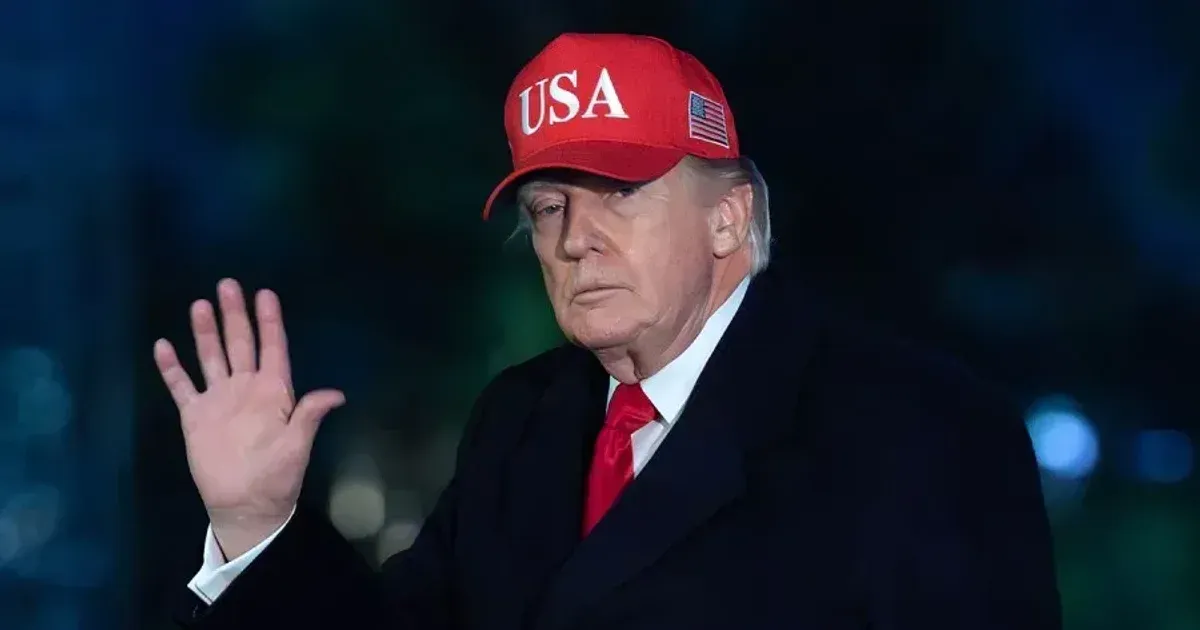
The western campaign swing turned midterm strategy into a test of youth turnout. Donald Trump arrived in Arizona on April 17, 2026, to address a Turning Point USA gathering aimed at securing the youth vote for the Republican Party. Organizers at the Arizona church venue expect a capacity crowd for the initiative. Supporters gathered early at the religious site for an event titled Build the Red Wall. Polling data indicates that young voters have shown decreasing enthusiasm for the former president in recent months. Turning Point USA remains a central vehicle for conservative outreach to students and young professionals across the Sun Belt.
Turning Point USA Mobilizes Youth in Arizona
Voter registration efforts among the under-30 demographic represent a critical foundation of the current Republican strategy. While previous cycles focused on traditional suburban voters, the Arizona stop indicates a direct play for a generation often characterized as left-leaning. Organizers emphasized the importance of the church location to blend traditional values with contemporary digital activism. President Trump plans to deliver a keynote address that focuses on domestic stability. Internal campaign documents suggest that Arizona is a necessary win to maintain momentum for the midterms.
Slipping support among young voters forced a change in messaging for the 2026 cycle. Activists on the ground report that inflation and housing costs are the primary concerns for university-age attendees. Charlie Kirk and other conservative leaders have frequently used these church-based venues to organize local chapters. Friday night's schedule includes several speakers who intend to contrast current economic conditions with the previous administration. The Arizona electorate continues to show volatility in recent statewide projections.
Campaign officials are banking on high-energy rallies to reverse the downward trend in youth polling. This strategy relies on the high visibility of the Build the Red Wall brand to generate social media engagement. Volunteers distributed literature focused on border security and local governance during the early hours of the event. Security around the church remained tight as local law enforcement coordinated with federal agents. Several hundred attendees were already in line by mid-morning.
Western Tour Aims to Recalibrate Economic Narratives
President Trump expanded his travel schedule to include a stop in Las Vegas earlier this week. Reporters traveling with the campaign noted a distinct shift in rhetoric during his Nevada appearance. He sought to move the national conversation away from the ongoing Iran war and toward domestic financial concerns. The administration is struggling to maintain control of the legislative agenda. Foreign policy entanglements have historically drained political capital during midterm years.
NBC’s Garrett Haake reports for TODAY from the White House that Trump is trying to change the political subject away from the Iran war and attempting to turn the spotlight on his economic policies.
Gasoline costs took center stage during the Las Vegas stop on the western tour. Trump highlighted falling gas prices with the national average down seven cents a gallon in the last week. Despite the recent dip, the price at the pump remains nearly $1 higher than this time last year. Nevada voters frequently cite fuel and transportation costs as their most serious daily burden. Energy independence has become a recurring theme in every speech delivered on this tour. The former president's reliance on Turning Point USA reflects his broader efforts to mobilize youth voters.
National energy markets have reacted with skepticism to the sudden drop in retail prices. Analysts at several major banks suggest the decrease is a temporary result of seasonal shifts in refinery output. Trump argued that his specific policy proposals would lead to a more permanent reduction in overhead for small businesses. Crowds in Las Vegas reacted positively to the focus on the cost of living. Nevada remains a toss-up state in most independent political assessments.
Geopolitical Friction vs. Domestic Policy
Conflict in the Middle East has complicated the Republican effort to frame the midterms around the economy. The administration's involvement in the Iran war has divided congressional leaders and alienated some isolationist factions of the base. Trump’s attempt to change the subject reflects a broader concern that foreign wars are unpopular during economic transitions. Strategic advisers recommend a return to bread-and-butter issues like taxes and deregulation. Media coverage has remained focused on troop movements despite the campaign's focus on inflation.
Las Vegas is a microcosm for the tension between international crises and local economic realities. Residents in Clark County have expressed concern over how global instability affects the tourism industry. Trump spent meaningful time during his speech discussing the impact of energy costs on the Nevada hospitality sector. He promised that a Republican victory in the midterms would lead to a more transactional approach to foreign relations. The crowd in the convention center included several leading gaming industry executives.
Shifting the spotlight to economic policies requires a disciplined message from the candidate. Trump’s tour of western states is designed to force local media outlets to cover domestic issues. Reporters in Arizona have been briefed on a series of upcoming policy announcements related to the tech sector and mining. These industries are essential to the Arizona economy and have seen significant growth in the last five years. Campaign surrogates are already appearing on local radio to echo the focus on jobs.
Demographic Challenges for the Republican Base
Western states present a unique set of challenges for the $1 billion Republican midterm fund. Demographic shifts in places like Phoenix and Las Vegas have created a more diverse and unpredictable electorate. Trump’s visit to a church in Arizona highlights the campaign’s reliance on the evangelical vote to anchor their coalition. Church leaders have been encouraged to promote the TPUSA event as a family-friendly gathering. Outreach to Hispanic voters in the region has also been prioritized during this swing.
Persistent inflation continues to be the primary hurdle for the incumbent party. Voters in the West are particularly sensitive to fluctuations in the housing market and utility rates. Trump’s message focuses on a return to the fiscal policies of his first term. This demographic friction will determine the outcome of several key Senate seats. Local candidates have joined the former president on stage to capitalize on his presence. The Phoenix metropolitan area is expected to see the highest campaign spending in state history.
Economic data from the Department of Labor shows a mixed picture for the region. While job growth in the service sector is strong, wage increases have failed to keep pace with the cost of housing. Trump referenced these statistics multiple times during his Nevada appearance. He characterized the current situation as a failure of leadership in Washington. The rally ended with a call for voters to participate in early polling and mail-in balloting.
Western Tour Tests Midterm Strategy
Political survival in a midterm cycle often dictates a ruthless abandonment of unpopular narratives. Donald Trump is currently attempting to perform a high-stakes pivot that would baffle a less experienced populist. By prioritizing the price of a gallon of gas over the fatalities of the Iran war, he is betting that the American voter is more concerned with their wallet than the world stage. It is a cynical but historically effective calculation. The focus on a church venue in Arizona further cements the strategy of using cultural institutions as a defense against slipping poll numbers among the youth.
Can a seven-cent drop in gas prices really outweigh a foreign conflict in the minds of the electorate? The answer likely depends on the geographic location of the voter. In the sprawling suburbs of the American West, where cars are a necessity and air conditioning is a survival tool, economic volatility is a personal affront. Trump understands this regional psychology better than most. He is not trying to win an argument on ethics; he is trying to win a referendum on the cost of living. If he succeeds in making the midterms about the gas pump, the Republican Party may indeed build the red wall they so desperately seek. Success is far from guaranteed.