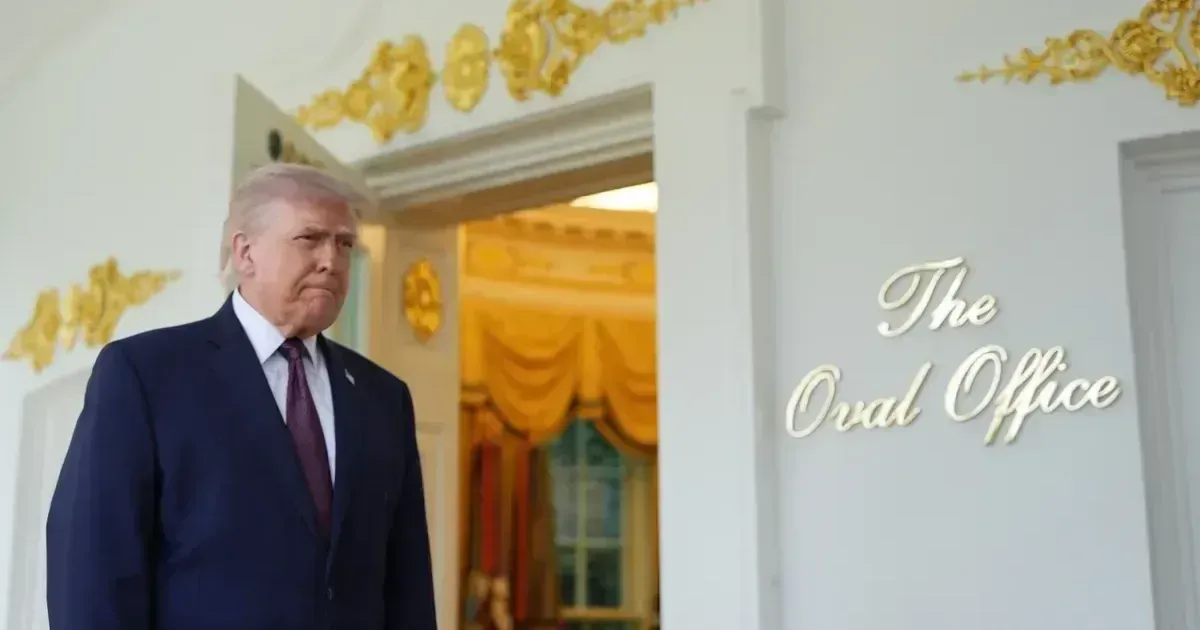
Donald Trump moved to solidify executive control over the nation's intelligence apparatus by sidelining Director of National Intelligence Tulsi Gabbard. Internal friction regarding the reauthorization of Section 702 of the Foreign Intelligence Surveillance Act has reached a breaking point as a critical legislative deadline approaches. On March 31, 2026, the development shifted from background concern to immediate scrutiny. White House officials intend to secure a clean extension of the controversial spy authority by April 20 without adopting privacy protections sought by civil liberties advocates. This internal struggle reveals a meaningful departure from the previous reformist rhetoric that characterized early administration appointments. Gabbard had private reservations about the surveillance program but has been noticeably absent from the final pressure campaign on Capitol Hill.
White House Tension Over FISA Section 702
National security discussions within the Oval Office have recently become centered on the survival of Section 702, which permits the government to collect communications of non-citizens outside the United States. While the primary target is foreign intelligence, the program often sweeps up the private data of Americans who are in contact with those foreign targets. Director of National Intelligence Tulsi Gabbard met with the president in early February to urge the inclusion of warrant requirements and other privacy safeguards. People with knowledge of the exchange stated that her appeal was unsuccessful.
Trump has since directed his focus toward convincing Republican holdouts to approve an 18-month extension of the existing law. Section 702 remains a foundation of the administration's defensive posture despite its history of domestic controversy.
Intelligence officials traditionally maintain a degree of independence from political pressure to ensure objective analysis for the commander-in-chief. Reports from within the administration suggest that Gabbard is being excluded from high-level foreign policy briefings and legislative strategy sessions. Public statements from the White House emphasize a unified front, yet the absence of the DNI from congressional briefings tells a different story. Administration spokespeople stated that the entire national security team is in lockstep with the president's push for a clean reauthorization.
Two congressional aides familiar with the discussions confirmed that Gabbard has offered no public comments on the matter for months. Her rare public appearance during a hearing last month saw her briefly defending the president's 18-month timeline. The contrast between her past record as a privacy advocate and her current role has created a visible rift in the intelligence community.
Gabbard Sidelined in National Security Strategy
Tulsi Gabbard built much of her political identity on challenging the broad reach of the surveillance state during her time in the House of Representatives. Joining the Trump cabinet offered a platform to implement those reforms, but the realities of executive power have restricted her influence. White House strategists prioritize the maintenance of existing surveillance tools to combat what they describe as evolving global threats. The president's decision to bypass his top intelligence official indicates a preference for direct loyalty over policy debate.
Sources indicate that other senior advisers now handle the bulk of the intelligence reporting that once flowed through the DNI's office. This realignment of authority concentrates power within the inner circle of the White House. Gabbard's exclusion from recent closed-door sessions on the Hill has left Republican lawmakers without their usual point of contact for intelligence matters.
"That is the President’s position, and that is the position of the intelligence community," Gabbard told a congressional hearing last month.
Federal agencies under the Trump administration are simultaneously working to reshape the narrative surrounding the January 6 attack on the U.S. Capitol. This effort involves extensive court filings and public communications designed to reframe the events of that day as a justified protest rather than an insurrection. Lawyers for the administration have challenged the findings of previous investigations in multiple legal jurisdictions. The quest to stamp out the previous version of history matches the administration's broader goal of controlling national security information.
Department of Justice officials are reviewing thousands of hours of footage to identify details that might support this new interpretation. Success in the courtroom would provide a legal basis for the administration's push to pardon those convicted of federal crimes related to the riot.
Trump Reframes January 6 Investigative Records
Donald Trump has doubled down on his commitment to alter the public perception of the 2021 Capitol attack through both policy and legal action. His legal teams are currently petitioning for the release of sealed grand jury testimony and other sensitive investigative materials. They argue that the original evidence was presented in a biased manner to the American public. Proponents of this shift believe that 2.4 million documents currently under review will eventually exonerate the movement leaders. Skepticism from the career civil service has led to several high-profile resignations within the intelligence and justice sectors.
The administration maintains that these changes are necessary to ensure a balanced historical record for future generations. Recent court victories in lower jurisdictions have encouraged the president to expand this effort to include more sensitive intelligence summaries.
Executive orders issued in the last month have restricted the ability of independent oversight bodies to review these reframing efforts. The president asserts that his constitutional authority over national security allows him to reclassify or declassify information at his discretion. Critics within the intelligence community argue that this approach undermines the credibility of the agencies. Intelligence analysts feel pressured to align their findings with the administration's political objectives regarding January 6. Tension between the White House and the Office of the Director of National Intelligence has reached its highest point as of April 17, 2026 as the FISA deadline looms.
Gabbard's silence on the reframing project matches her lack of input on the FISA extension. Her reduced role is a case study in the centralization of executive power.
The deadline gives Congress leverage because surveillance powers cannot be renewed quietly once the White House turns them into a loyalty test. That makes the intelligence chief’s sidelining more than an internal personnel dispute.
The personnel move also complicates the legislative calendar. Members who might support surveillance renewal still have to answer why internal intelligence advice was pushed aside during the debate.
Spy Law Power Test
The FISA fight is a power test inside the national-security state. By sidelining one intelligence voice, Trump made the surveillance deadline part of a broader loyalty and records battle.