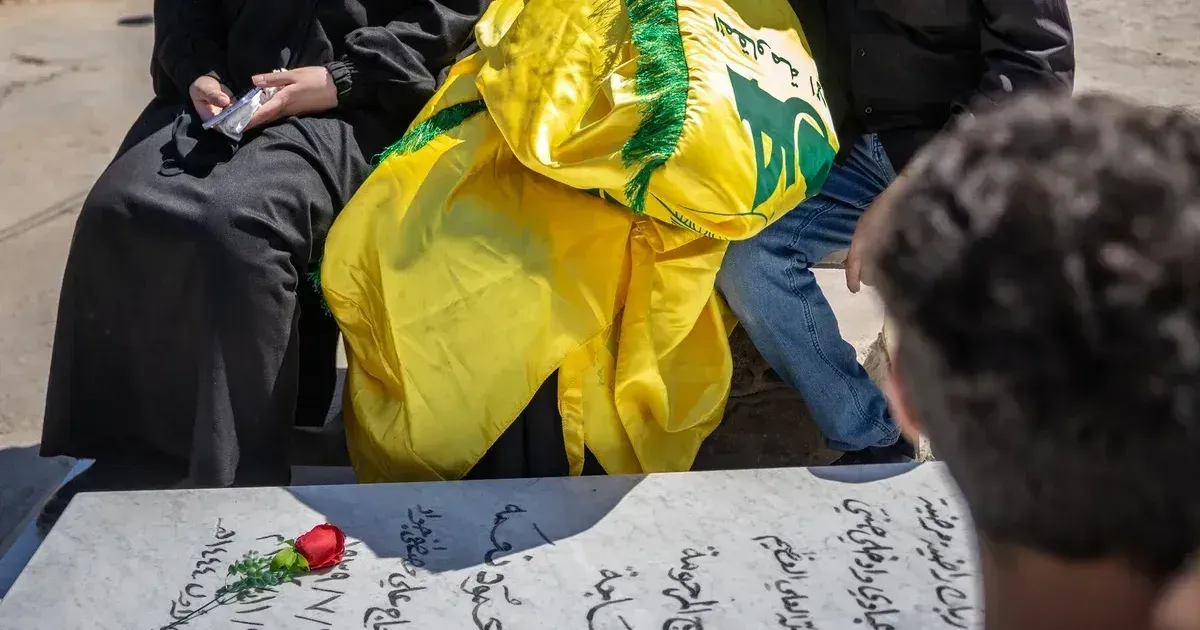
Donald Trump announced on April 24, 2026, that his administration successfully negotiated a 21-day extension of the ceasefire between Israel and Hezbollah in Lebanon. White House officials secured the agreement following intense discussions with regional envoys to prevent the widening conflict from consuming the entire Middle East. This temporary reprieve aims to stabilize the northern border while military operations against Iranian targets continue elsewhere. Stability in the Levant depends on the adherence of non-state actors to diplomatic protocols established in Washington.
Israeli military forces targeted a rocket launcher in southern Lebanon less than four hours after the ceasefire extension became official. Defense officials in Jerusalem claimed the strike neutralized a direct threat to Israeli civilians. Hezbollah militants allegedly used the site to fire several projectiles into Israeli territory shortly before the tactical response. Jerusalem maintains that every violation of the truce will meet with immediate and decisive force. Danny Danon, the Israeli Ambassador to the United Nations, emphasized that his government remains committed to security above diplomatic convenience.
"The Lebanese government has no control over Hezbollah, and Hezbollah is launching rockets to try to sabotage the ceasefire. Israel, we have to retaliate. Every time we see a threat, we act," Danny Danon said.
Danny Danon told reporters that the reality on the ground does not always mirror the declarations made in diplomatic circles. He characterized the ceasefire as "not 100%" due to the lack of control the Lebanese state exerts over militant groups. Hezbollah continues to operate autonomously in southern districts despite international pressure to disarm. Israeli intelligence suggests that Iranian supplies are still reaching the militia through underground networks. Donald Trump has signaled that his patience with such violations is limited but necessary to avoid a broader fire.
White House Negotiates Three-Week Extension
Presidential envoys spent the last 48 hours conducting back-channel talks with Lebanese leaders and Israeli generals. These discussions focused on the logistics of monitoring a border that has seen constant skirmishes for 56 days. Trump believes the extra three weeks will provide enough time to finalize a more permanent security arrangement. White House Press Secretary notes indicated that the administration views the Lebanon front as the most volatile element of the current regional war. Success in Beirut could provide the leverage needed to force Tehran into a defensive posture.
Lebanese officials expressed cautious optimism about the extension while acknowledging their inability to restrain Hezbollah entirely. Government representatives in Beirut fear that continued Israeli incursions will radicalize the local population further. Foreign Ministry spokespeople stated that Lebanon requires international guarantees to ensure its sovereignty is respected. Previous attempts to enforce United Nations Resolution 1701 failed to keep the border quiet. Israel insists that any future deal must include a substantial buffer zone clear of militant infrastructure.
War Powers Act Deadline Looms Over Iran Conflict
Constitutional constraints are beginning to press against the executive branch in Washington. Donald Trump faces a substantial legal hurdle on May 1, which marks the 60-day limit imposed by the War Powers Act. This federal statute requires the president to seek formal congressional approval for any military engagement that exceeds two months. Current air strikes and naval operations against Iranian assets began in late February. Lawmakers on Capitol Hill are divided over whether to grant a formal authorization for the use of military force.
Congressional leaders have scheduled a series of closed-door briefings to evaluate the strategic necessity of the ongoing campaign. Some members of the Senate Foreign Relations Committee argue that the administration has already exceeded its mandate. Opponents of the war suggest that a failure to secure a vote by the May 1 deadline would make further strikes illegal. White House lawyers contend that the defensive nature of the operations provides sufficient legal cover. Executive authority in matters of national security often clashes with legislative oversight during active hostilities.
Diplomatic Friction Challenges Regional Stability
Tension between Washington and Jerusalem has increased as the ceasefire extension faces immediate tests. Donald Trump reportedly held a tense phone call with the Israeli Prime Minister to discuss the timing of the latest airstrikes. While the United States supports Israel's right to defend itself, the White House worries that erratic military action will derail the broader peace initiative. Danny Danon reiterated that Israel will not tolerate a war of attrition on its northern border. Iranian officials, meanwhile, have condemned the US-Israeli alliance as a threat to global energy security.
Tehran maintains that its support for Hezbollah is a legitimate response to Western aggression in the region. Iranian state media reported that the Islamic Republic will not back down from its strategic objectives despite the ceasefire extension. Israel has identified several high-value Iranian targets within Lebanon that it intends to neutralize if the truce collapses. Military analysts suggest that the next three weeks will determine if the conflict settles into a managed stalemate or explodes into a full-scale regional war. Every rocket launch and retaliatory strike carries the potential to spark a larger confrontation.
Immediate Strikes Expose Ceasefire Fragility
Does a ceasefire truly exist when the parties involved are already planning their next barrage? The 2026 extension announced by Donald Trump is a masterstroke of political theater that carefully avoids the underlying reality of the conflict. By pushing the timeline by three weeks, the administration is merely delaying an inevitable confrontation while attempting to bypass the May 1 War Powers Act deadline. This is not diplomacy; it is a tactical pause designed to navigate domestic legal hurdles. The White House is betting that it can manage the optics of a "peace process" while simultaneously enabling an air campaign that has no clear end date.
Jerusalem is clearly signaling its disdain for the arrangement. Danny Danon effectively neutralized the ceasefire announcement by declaring it porous from the outset. Israel will continue to strike Lebanon whenever a target of opportunity arises, and Hezbollah will continue to bait them into escalation. The Lebanese government is a spectator in its own territory, possessing neither the hardware nor the political will to enforce a truce on its soil. Donald Trump may claim victory in the short term, but the structural failures of this deal are apparent. Expect the bombs to keep falling under the guise of defensive retaliation. The deadline in Washington is the only date that actually matters to this administration. The extension is a strategic failure.