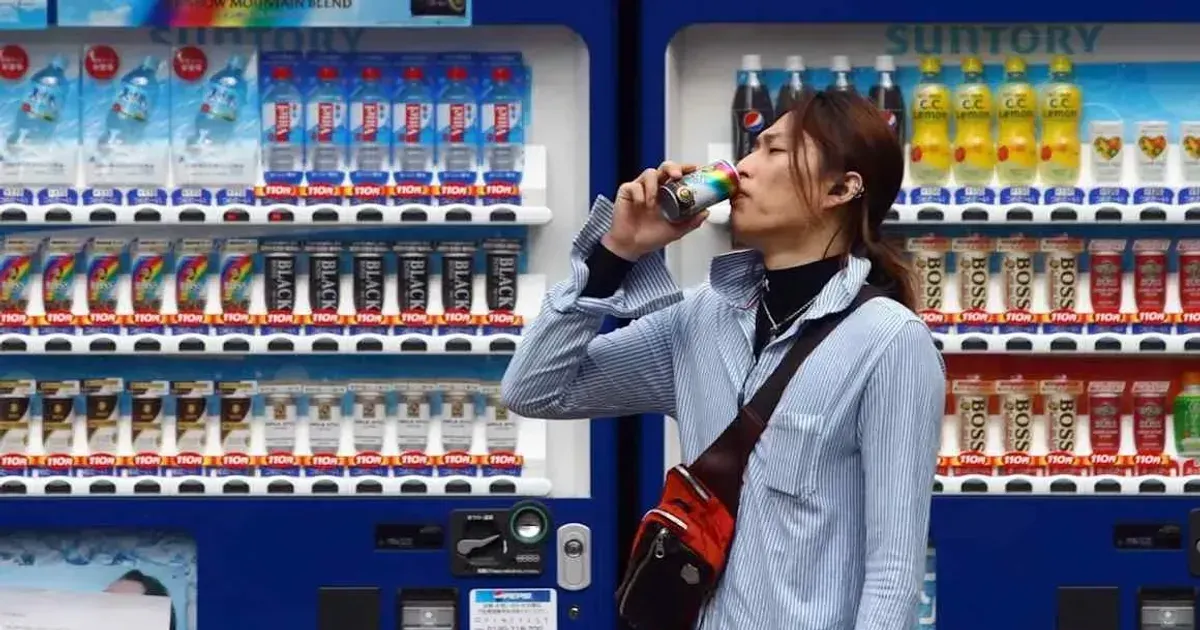
Tokyo streetscapes are losing their signature neon hum. For decades, the widespread vending machine stood as a symbol of Japanese industrial efficiency and social safety, offering everything from hot canned coffee to chilled green tea at every turn. Now, major beverage manufacturers are pulling the plug on thousands of units as the economics of the automated retail model collapse under the pressure of a national labor crisis. Asahi Group Holdings and Suntory are among the industry leaders recalibrating their vast networks to preserve margins.
Japan Vending Networks Shrink
Logistics costs are the primary driver of the withdrawal. Japan recently implemented strict caps on overtime for truck drivers, a regulatory shift known locally as the 2024 problem. Beverage companies rely on a constant cycle of refilling and maintenance to keep machines profitable. Without enough drivers to service remote or low-traffic locations, the cost of keeping a machine stocked often exceeds the revenue it generates. Driver shortages are particularly acute in the beverage sector. Refilling machines is physically demanding work that requires managing tight urban alleys and carrying heavy crates of liquid. Younger workers are increasingly shunning these roles in favor of gig economy delivery jobs or climate-controlled warehouse positions. Recruitment data from the Japan Vending System Manufacturers Association shows that the average age of a route driver has climbed into the fifties in many regional hubs. Operational efficiency is also being hit by surging fuel prices and vehicle maintenance costs. A single refilling truck must visit dozens of locations daily to maintain the high service standards Japanese consumers expect. When a machine stays empty for even a few hours, the potential for a lost sale is absolute. Many companies are finding that the overhead of maintaining a dispersed fleet of machines is no longer sustainable in a high-cost environment. Recent reports from Suntory indicate that the company is focusing more heavily on high-traffic areas where volume justifies the logistical expense. This means machines in suburban parks or quiet residential side streets are the first to be removed. The density of the network is thinning out in a way that was unthinkable just a decade ago. Profitability per machine has become the only metric that matters.
Labor Costs Break the Old Model
Competition for physical space has become another hurdle for vending operators. Real estate prices in prime Tokyo and Osaka locations have surged, leading building owners to reconsider the utility of the square meter occupied by a beverage dispenser. Some landlords are opting to replace vending machines with high-margin lockers for e-commerce deliveries or even small-scale automated pharmacies. Kirin Holdings has noted that site rental fees have become a serious drag on the bottom line for urban vending operations. Consumer habits are shifting away from the traditional canned beverage model.
The era of placing a machine anywhere and expecting a profit is over, as we must now prioritize locations with guaranteed foot traffic and efficient logistics access.
Energy costs add another layer of financial strain. While manufacturers have made strides in developing energy-efficient machines, the huge volume of units in Japan consumes a vast amount of electricity. With national energy prices rising, the cost of keeping drinks chilled in summer and heated in winter has spiked. Smaller operators who lack the scale of Suntory are finding it impossible to break even on their utility bills. Industry analysts at the Financial Times point out that the saturation point was reached years ago. Japan has long had the highest density of vending machines per capita in the world. But that density was built on a foundation of cheap labor and stable energy prices. Both of those pillars have crumbled. Companies are now forced to choose between raising prices or reducing their footprint. Most are choosing the latter to avoid alienating price-sensitive consumers.
Convenience Stores Take More Share
Convenience stores like 7-Eleven and Lawson have become the primary antagonists of the vending machine. These stores offer a wider variety of products, including fresh-brewed coffee that many consumers prefer over canned versions. The rise of in-store counter coffee has specifically decimated the morning sales of vending machines located near train stations. For many commuters, a freshly ground latte from a convenience store for 150 yen is a more attractive proposition than a lukewarm can from a machine.
Payments are another area where convenience stores hold an advantage.
Store operators are also using their data-rich loyalty programs to offer personalized discounts that a standard vending machine cannot match. By tracking purchase history, convenience stores can drive foot traffic with targeted promotions on specific beverages. The vending machine remains a blunt instrument in a world of precision marketing. This lack of data integration makes it difficult for beverage companies to understand who is buying their products and when. Inventory management at convenience stores is also more complex than the traditional vending model. Stores can adjust their stock in real-time based on local weather or events. A vending machine operator can only change products during the next scheduled refilling visit, which may be days away. This lag time results in missed opportunities during sudden heatwaves or unexpected cold snaps. The flexibility of the brick-and-mortar retail model is simply superior.
Aging populations are changing where and how people shop. Older citizens are less likely to be on the move in the city centers where vending machines are most prevalent. They often prefer the social interaction and accessibility of a local store. In rural areas, the decline of the population has made the logistics of refilling machines even more prohibitive. Entire villages are seeing their last remaining vending machines removed, leaving elderly residents without easy access to basic drinks.
Declining birth rates mean fewer teenagers and young adults are roaming the streets late at night. Historically, this demographic was a major source of revenue for vending machines, particularly for soft drinks and energy drinks. With fewer young people, the late-night vending economy is shrinking. The social role of the vending machine as a 24-hour beacon is fading as nighttime activity levels drop in many Japanese towns. Environmental concerns are also influencing corporate strategy. The beverage industry is under pressure to reduce plastic waste and carbon emissions. Maintaining 4 million machines that require individual cooling units and frequent truck visits is difficult to reconcile with modern ESG goals. Removing underperforming machines is an easy way for companies like Asahi to hit their carbon reduction targets. The alignment of environmental goals and cost-cutting measures has accelerated the removal process.
Asset liquidation has become a common practice for companies looking to clean up their balance sheets. The physical hardware of a vending machine is a depreciating asset that requires constant upkeep. By selling off machines or simply not replacing them at the end of their life cycle, companies are freeing up capital for digital marketing and international expansion. The focus is shifting from physical presence to brand loyalty in the digital space. Domestic beverage volume fell by nearly 2% in the last fiscal year.
Automation Still Needs Logistics
Was the dream of an automated machine on every corner ever more than a demographic mirage? For decades, the widespread glowing boxes served as the ultimate symbol of Japanese safety and social cohesion. They flourished because labor was predictable and electricity was cheap. Those days have vanished. The retreat of beverage giants is a confession that the high-cost, high-touch service model is broken. Critics often point to digitalization, but the true culprit is the cold math of human movement. Logistics is the new scarcity. Japan is moving toward a future where convenience is a luxury rather than an entitlement.
The trend is not a failure of technology but a victory of biological reality over corporate ambition. The silent salesman is being laid off because he costs more than the liquid he dispenses. Expect a grittier, less convenient urban experience as these corporate empires prioritize margins over their cultural footprint. The era of the automated oasis is ending. We are seeing a nation that optimized for a reality that no longer exists, and the glowing lights of the vending machine are the first to flicker out in the new austerity.