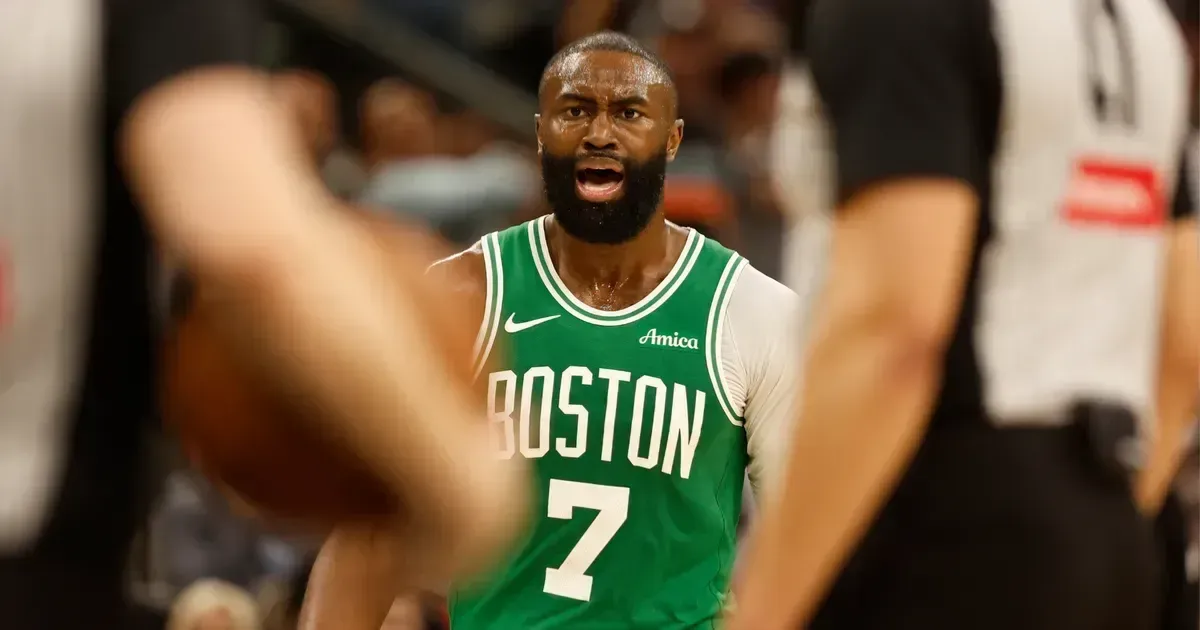
Boston fell to the Thunder in a contest where the officiating became as much of a story as the final score. Referees whistled the Celtics for 28 personal fouls, sending the young Thunder roster to the line repeatedly throughout the fourth quarter. Brown made the criticism on March 13, 2026, after a Celtics loss intensified debate over foul baiting. Brown finished the evening with 31 points but focused his postgame remarks on the systemic rewarding of players who exaggerate contact. He suggested the league has created an environment where pure basketball skill is secondary to the art of manipulation. Players now spend significant practice time perfecting the head-snap and the exaggerated flail, according to several veteran scouts in attendance. Oklahoma City secured the victory behind a barrage of free throws that stalled Boston's momentum during every critical run. Brown noted that his own attempts to play a physical, honest game often go unrewarded while opponents receive favorable whistles for non-basketball moves. This pattern of officiating has become a central point of contention for superstars who rely on strength rather than deception. Statistics from the game tell a lopsided story of contact and consequence. The Oklahoma City Thunder attempted 38 free throws, while the Celtics were granted 24 opportunities from the stripe. Brown voiced his displeasure with how the current criteria for fouls incentivizes players to abandon traditional scoring techniques in favor of gaming the system. The argument now sits between competitive frustration, television incentives, player trust and the league office's attempt to protect pace without rewarding theatrical contact in close games, national broadcasts and playoff races.
Brown Turns Foul Calls Into the Story
Referees often struggle to distinguish between genuine defensive errors and the calculated traps set by modern ball handlers. In fact, the Thunder used several rip-through maneuvers and leaning-in jumpshots to bait Boston Celtics defenders into early foul trouble. Kristaps Porzingis and Al Horford both sat for extended stretches in the second half due to these specific officiating triggers. Brown did not hold back when asked if he needed to adjust his own style of play to match the current trends. He lamented that players are rewarded for accentuating contact rather than finishing through it. For instance, several drives by Thunder guards resulted in whistles despite minimal lateral contact from the primary defender.
Maybe I need to flop a little bit more, because the game is rewarding it right now.
Every season brings a new set of points of emphasis from the league office, yet the core issue of foul baiting persists.
Referees often face internal grading systems that reward them for making calls consistent with the league's seasonal directives. If the directive is to protect shooters, the whistle will naturally favor the offense regardless of the defender's intent. This administrative pressure shapes the way games are called on a nightly basis across the country.
Future stars entering the league are already adapting to the foul baiting culture at the collegiate and high school levels. They watch highlight reels not of creative finishes, but of savvy players drawing three-shot fouls on the perimeter. Brown expressed concern that the next generation of defenders will be fundamentally unable to cope with the lack of physical leeway.
Referees must eventually return to a standard where a foul is defined by a disadvantage created, not by the theatricality of the reaction. For one, the Celtics plan to submit several clips from the Thunder game to the league office for review. The specific review process allows teams to flag inconsistent calls and seek clarification on legal defensive positioning.
And yet, the immediate impact of Brown's comments will likely be a fine from the league office for public criticism of officials. Most players view these fines as a necessary tax for advocating for a more balanced game. The Celtics sit near the top of the Eastern Conference standings, but their path to a title depends on how officials handle physical play in the postseason.
Defensive ratings for the 2025-2026 season are among the lowest in history for several top-tier franchises. The trend aligns with Brown's assessment that the game is moving toward a non-contact exhibition. The league has yet to issue a formal response to the growing chorus of veteran players demanding a return to more traditional officiating standards.
Basketball Cannot Reward the Whistle Hunt
Professional basketball has devolved into a theater of the absurd where the most skilled practitioners are often those most adept at fraud.
Commissioner Adam Silver continues to prioritize the pursuit of 140-point games over the fundamental integrity of defense, seemingly unaware that a sport without resistance is merely a high-priced layup line.
We are no longer watching a test of skill, but a test of who can most convincingly lie to three men in striped shirts.