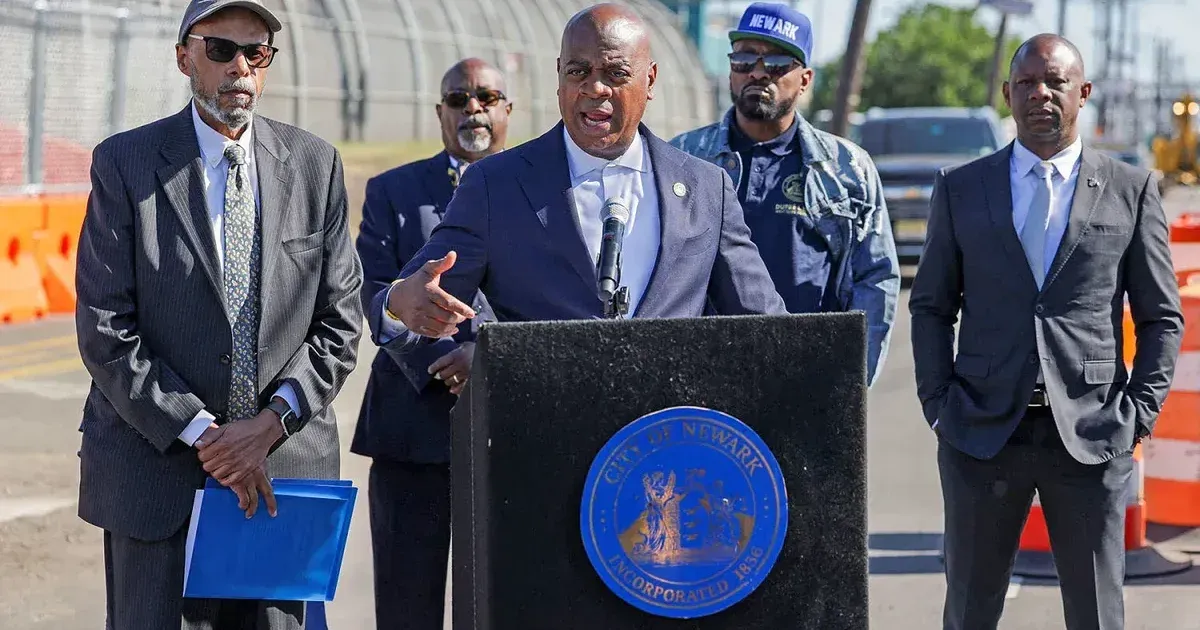
Newark Mayor Ras Baraka joined state officials in a legal offensive against the private operator of a troubled immigration detention facility. The lawsuit turns detention conditions into a broader state-federal fight. Newark officials are also watching how private-prison contracts survive public scrutiny. State health inspectors reported finding unsanitary conditions that they claim violate local and state standards. The legal filings, submitted on June 2, 2026, allege systemic health and safety failures at Delaney Hall.
According to the complaint, the facility has failed to maintain basic hygiene protocols, leading to an environment that city officials describe as hazardous. Mayor Baraka indicated that his administration is committed to closing the center, citing a pattern of neglect by the private firm managing the site. The city has previously targeted the company through zoning and health code enforcement actions, but the current lawsuit marks an escalation in the jurisdictional struggle between local authorities and the federal contractors who support ICE operations.
Protests outside the iron gates of the facility have transitioned from peaceful vigils to physical confrontations. Demonstrators representing immigrant advocacy groups have occupied surrounding streets, demanding the immediate release of individuals held inside. Counterprotesters, many carrying flags and signs supporting federal law enforcement, have also gathered at the site. Police reports from Newark indicate that several arrests occurred after some individuals attempted to breach the security perimeter, resulting in minor injuries to officers and activists.
Legal Challenges Target Private Prison Management
Court documents name the specific prison company responsible for day-to-day operations at the Newark site. Attorneys for the state argue that the private nature of the facility does not exempt it from New Jersey public health mandates. The lawsuit seeks an injunction to halt new admissions to the facility and demands an exhaustive inspection by independent medical professionals. While the management firm has yet to issue a formal response in court, its representatives have previously maintained that they adhere to all federal oversight guidelines provided by the Department of Homeland Security.
Newark officials are leveraging municipal ordinances to pressure the facility into compliance or closure. Baraka has signaled that the city will use every available legal mechanism to ensure that the private contractor is held accountable for the conditions reported by former detainees and their legal counsel. Evidence submitted with the suit includes photographs and witness testimony regarding food quality and medical access. These claims have become a focal point for the broader political debate regarding the role of private corporations in the American immigration system.
"These sanctuary politicians need to stop peddling false smears about ICE detention facilities and start thanking ICE law enforcement officers for getting these thugs off New Jersey streets."
DHS acting assistant secretary Lauren Bis issued that statement to news outlets, defending the utility of the facility. Federal officials argue that the state's legal maneuvers are an attempt to obstruct legitimate law enforcement activities. The conflict has reached the highest levels of state government, as Governor Mikie Sherrill was recently denied entry to the facility for an unannounced inspection. This denial has intensified the rhetoric from Trenton, where lawmakers are considering new legislation to further restrict the operation of private detention centers within state borders.
Department of Homeland Security Cites Public Safety Risks
Federal authorities countered the allegations of poor conditions by highlighting the criminal backgrounds of individuals recently processed through the facility. The Department of Homeland Security announced the arrests of several foreign nationals in New Jersey who were identified as threats to public safety. According to federal records, the individuals taken into custody include those with prior convictions for violent offenses. DHS officials stated that the ongoing protests and legal challenges serve to distract from the agency's mission to remove dangerous actors from the community.
Marcos Delacruz, a citizen of El Salvador, was among those recently detained and held at the facility. His criminal record includes convictions for sexual assault and fraud. Another individual, Success Bounte of Ghana, was arrested by federal agents on Thursday. Records indicate Bounte was previously convicted of robbery, burglary, and identity theft. Federal agents also detained Jose Manuel Rivera-Mes, a Guatemalan national who has a conviction for voluntary manslaughter and prior arrests for weapons offenses. The inclusion of these specific cases in federal press releases is an effort to shift public focus toward the perceived necessity of the detention center.
Lauren Bis maintained that federal agents would continue their work despite what she characterized as interference from leftist agitators. She emphasized that the arrests made last week targeted individuals with histories of aggravated assault and terroristic threats. The department argues that closing Delaney Hall would hamper their ability to process and remove high-risk individuals from the New Jersey area. Federal attorneys are expected to move for a dismissal of the state's lawsuit, arguing that federal law preempts municipal health codes in immigration enforcement.
Political Rift Deepens Over Facility Access and Oversight
Governor Sherrill's exclusion from the facility has created a legislative trigger point. State lawmakers argue that the inability of the governor to inspect a facility on New Jersey soil is a violation of state sovereignty. Supporters of the Governor's position suggest that federal contractors are hiding evidence of mismanagement behind the shield of federal supremacy. The stalemate has left local law enforcement in a difficult position as they attempt to manage the volatile protests while maintaining a working relationship with federal partners.
Local businesses in Newark have expressed concern over the persistent presence of protesters and the heavy police cordons. Streets surrounding Delaney Hall have been frequently blocked, impacting commerce and transit in the district. City council members have held emergency meetings to discuss the fiscal impact of the ongoing security operations. Some members have called for a faster resolution to the lawsuit to restore order to the neighborhood. However, the legal complexity of the case suggests that a quick settlement is unlikely.
The management company at the center of the dispute continues to operate under its existing federal contract. Industry analysts note that similar challenges in other states have resulted in lengthy appeals processes. If New Jersey succeeds in its health-code argument, it could set a precedent for how other states regulate private facilities housing federal detainees. The outcome of this case will likely determine the future of private immigration detention in the northeastern United States.
State Health Rules Could Reshape Federal Detention Contracts
Jurisdictional boundaries between state health mandates and federal immigration enforcement are moving toward a definitive courtroom confrontation. The core of this dispute lies in whether a private contractor can invoke federal immunity to bypass municipal safety standards. If the New Jersey courts uphold the city's right to inspect and regulate Delaney Hall, the federal government may find its ability to partner with private firms severely cut in sanctuary jurisdictions. It would force a major restructuring of detention logistics, potentially requiring the Department of Homeland Security to use more remote federal sites or relocate detainees across state lines.
The private prison industry faces financial risk, as Newark's legal strategy provides a blueprint for other cities seeking to shut down facilities through civil litigation rather than political lobbying. By contrast, a federal victory would solidify the status of private contractors as extensions of the federal government, largely untouchable by local health inspectors. The ruling will likely hinge on the specific language of the contract between the management firm and ICE. A final judgment could redefine the limits of local police power over federal property interests for the next decade.