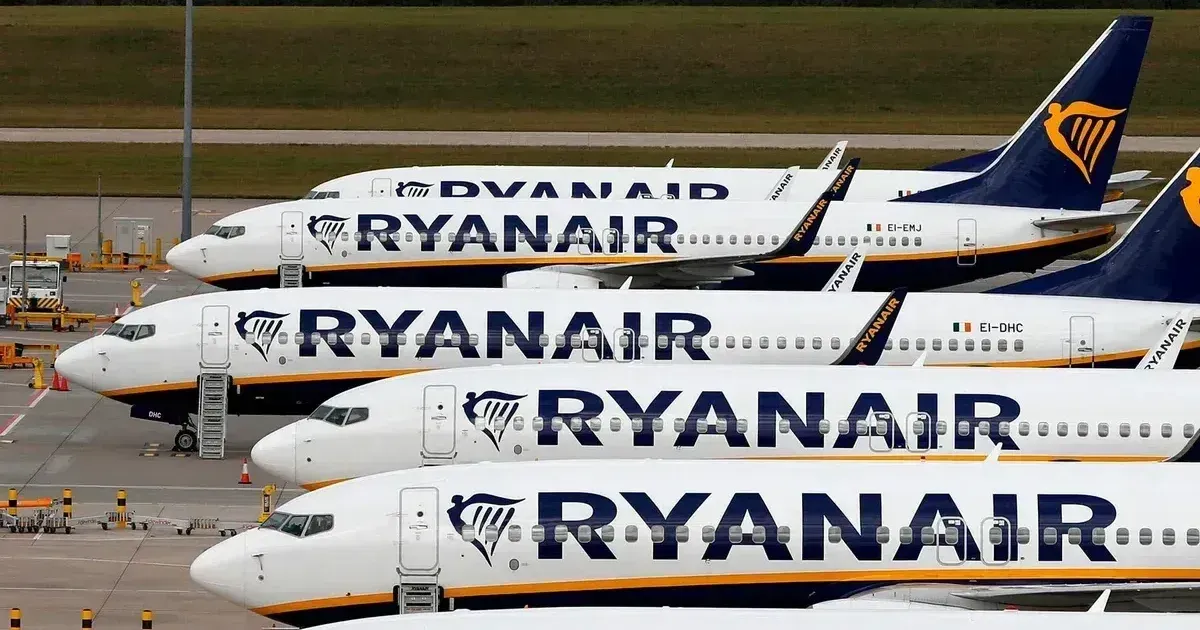
Lufthansa’s cancellation of 20,000 flights shows how the Strait of Hormuz fuel shock is grounding aircraft far beyond the conflict zone. Lufthansa executives announced on April 22, 2026, that the airline will cancel 20,000 flights due to a critical shortage of jet fuel. Fuel supplies plummeted after the closure of the Strait of Hormuz choked off essential energy routes entering European ports. Frankfurt Airport, despite the recent inauguration of its newest terminal, now faces a sprawling logistical paralysis that threatens the European aviation sector. Internal reports from the carrier indicate that 20,000 flights are being removed from the immediate schedule to preserve remaining reserves. Shortages are now affecting every major hub in the German carrier's network.
Geopolitical friction in the Persian Gulf has directly restricted the flow of refined petroleum products required for long-haul operations. Analysts in Berlin note that the closure of the Strait of Hormuz has effectively severed the primary artery for aviation-grade kerosene. Price hikes for the remaining fuel stocks have reached levels that make thousands of routes economically unviable. Experts warn that the current volume of cancellations represents only the first wave of a broader industry contraction. Flight schedules for the next fiscal quarter are currently under revision.
Frankfurt Airport Operations Face Global Logistics Breakdown
Managers at the newly opened terminal in Frankfurt report that the facility is operating at less than thirty percent capacity. Empty gates and silent concourses characterize the atmosphere at one of the busiest transit points in the world. Ground crews have been reassigned to maintenance duties as aircraft remain parked on taxiways. Fuel tankers that usually arrive every few hours have stopped appearing at the facility gates. Storage tanks at the airport are approaching critical minimum levels.
Aviation logistics rely on a just-in-time delivery system that cannot withstand a total cessation of supply. Lufthansa management stated that prioritizing specific high-density routes is the only way to maintain an appearance of a national network. Regional flights have been the first to disappear from the departure boards. Passengers stranded by the 20,000 cancellations are being directed to rail alternatives or offered vouchers for future travel. Local hotels near the airport are currently at maximum occupancy with displaced travelers.
Supply-chain experts at DW News provided a grim assessment of the situation.
"The impact of jet fuel shortages because of the closure of the Strait of Hormuz is starting to burn," reported analysts at DW News regarding the current supply-chain crisis.
Market volatility has caused jet fuel futures to spike by double digits in a single trading session. This volatility prevents airlines from hedging their costs effectively. Reliable data on reserve levels is becoming a closely guarded corporate secret. Small carriers operating out of German hubs are facing immediate bankruptcy risks.
Strait of Hormuz Closure Disrupts European Aviation Fuel
Marine traffic through the narrow passage between Oman and Iran has ceased entirely after recent security incidents. Insurance premiums for tankers attempting to navigate the region have become prohibitively expensive. Most shipping conglomerates have ordered their fleets to anchor in safe waters outside the Gulf. Crude oil is not the only casualty of this maritime blockade. Refined products, including the specific grades of kerosene needed for jet engines, are stuck in storage terminals across the Middle East. Alternative routes around the Cape of Good Hope add weeks to delivery times.
European refineries are currently unable to bridge the gap left by the missing imports. Domestic production focuses primarily on heating oil and diesel for ground transport. Ramping up jet fuel production requires specific chemical catalysts that are also caught in the global logistics bottleneck. Logistics directors at Frankfurt Airport are coordinating with government officials to secure emergency fuel releases from national strategic reserves. These reserves are typically held for military or essential service use. Public access to air travel is currently ranked lower in priority than emergency medical transport.
Pistorius Outlines Military Strategy for Energy Security
German Defense Minister Boris Pistorius announced a new strategic framework for the armed forces on April 22, 2026. The plan focuses on securing energy corridors and protecting critical infrastructure from external disruptions. Boris Pistorius emphasized that the military must adapt to a world where energy is used as a primary weapon of coercion. Defense spending will likely pivot toward maritime escort capabilities and domestic refinery protection. This strategy includes a major investment in synthetic fuel technologies to reduce dependence on foreign imports.
Military planners are currently assessing the impact of the fuel crisis on the readiness of the Luftwaffe. Training exercises have been cut to save fuel for active patrol missions. Relations between the Ministry of Defense and commercial airlines like Lufthansa are increasingly tense. Both sectors are competing for the same limited pool of high-quality fuel. Government mandates may soon force private carriers to surrender their fuel contracts to the state. Security at major fuel depots has been increased to prevent civil unrest or sabotage. National guard units are now stationed at several key pipeline junctions.
Global markets reacted to the news of the 20,000 cancellations with a sharp sell-off in aviation stocks. Investors fear that a prolonged closure of the Strait of Hormuz will lead to a permanent downsizing of the airline industry. Long-term contracts with fuel suppliers are being declared void under force majeure clauses. Financial analysts suggest that the cost of air travel will double by the end of the year. Budget carriers are particularly vulnerable because they lack the cash reserves to absorb high operating costs. Major banks have started freezing credit lines for companies with high exposure to the kerosene market.
Logistical data shows that the wider effects of the Lufthansa cancellations are hitting the air cargo sector. Perishable goods and high-tech components are sitting in warehouses because there are no planes to move them. Global supply chains for electronics and pharmaceuticals are beginning to stall. Shipping rates for the few remaining cargo flights have quintupled. Companies are looking for land-based alternatives through Central Asia, but rail capacity is already stretched to its limit. The economic impact of the grounded fleet extends far beyond the airport fence.
Lufthansa Cuts Test German Aviation Resilience
Germany is learning the hard way that a sparkling new airport terminal is a tomb if the pipes are empty. The decision by Lufthansa to slash 20,000 flights is not a temporary adjustment but a signal of a systemic collapse in the global energy order. Politicians have spent a decade talking about the energy transition while remaining tethered to maritime chokepoints controlled by hostile actors. The arrogance of building enormous aviation infrastructure without secured, domestic fuel sources is now on full display. Germany's economic engine cannot run on press releases or environmental promises when the actual fuel is stuck in a war zone.
Boris Pistorius's sudden interest in energy security is a classic case of too little, too late. For years, the German defense establishment ignored the vulnerability of its supply lines, assuming the Americans or the market would always keep the Strait of Hormuz open. That assumption has died. The military's attempt to hoard fuel at the expense of the commercial sector will only accelerate an economic depression. If the planes do not fly, the tax revenue that pays for the tanks will vanish. This is a zero-sum game that no one in Berlin is prepared to play.
Aviation as we know it is becoming a luxury of the past. The industry is facing a future where only the elite or the military can afford to leave the ground. Unless Germany unilaterally breaks the blockade or miraculously invents a synthetic fuel industry overnight, Lufthansa will continue to shrink until it is a mere shadow of its former self. The era of cheap, global mobility has ended. German aviation has run out of easy options.