The KOSPI’s first close above 6,400 reflects strong technology earnings and a rush of institutional money into South Korean equities. South Korea's KOSPI index closed at a historic peak in Seoul on April 22, 2026, driven by optimistic corporate earnings forecasts. Investors pushed the benchmark index past the psychological barrier of 6,400 for the first time in history. Trading volume surged as domestic and foreign players reacted to positive guidance from the technology and automotive sectors. Final figures showed the KOSPI gained more than two percent during the session to settle at 6,405.22 points.
Equity markets across East Asia looked toward the Seoul exchange for direction throughout the morning. Samsung Electronics and SK Hynix led the rally, benefiting from a global shortage in high-bandwidth memory chips. These semiconductor giants reported preliminary profit margins that exceeded analyst expectations by a wide margin. Market analysts noted that the consistent demand for artificial intelligence hardware continues to underpin the valuation of South Korean tech firms.
South Korean Markets Break Historical Resistance
Surpassing the 6,400 mark required a sustained influx of capital from institutional investors who had previously stayed on the sidelines. Large-scale pension funds increased their holdings in blue-chip stocks during the early afternoon. Trading data indicates that institutional buying reached its highest single-day level since the previous autumn. Professional traders cited the Corporate Value-up program as a primary reason for the renewed interest in the local market.
Retail investors, often referred to as the Ant Warriors in local media, also contributed to the upward momentum. Individual accounts opened in record numbers across major brokerages in the 24 hours leading up to the peak. Small-scale traders focused on mid-cap growth stocks that supply the larger conglomerates. Trading desks reported that retail buying accounted for nearly 30 percent of the total volume on the main board.
Volatility remained surprisingly low despite the rapid ascent of the index. Standard deviations for daily price movements stayed within a tight range, suggesting a lack of panic selling even at these elevated levels. Historically, such climbs were met with immediate profit-taking by short-term speculators. Current sentiment appears more durable, backed by realized profit growth rather than speculative fervor.
Tech Sector Profits Drive KOSPI Growth
Samsung Electronics remains the primary engine of the South Korean economy and its stock market performance. Shares in the electronics giant rose 3.8 percent to reach a multi-year high. Industrial insiders point to the successful rollout of sixth-generation memory modules as the catalyst for this price action. Export data for the first quarter showed a 22 percent increase in semiconductor shipments to North American markets.
SK Hynix mirrored this performance by posting gains of 4.2 percent. Demand for specialized chips used in large data centers shows no sign of slowing down. Analysts at several global investment banks upgraded their price targets for the firm based on these supply constraints. Order books for the remainder of the year are already filled to capacity.
Beyond the semiconductor space, the automotive industry showed surprising resilience. Hyundai Motor and Kia reported strong sales of hybrid and electric vehicles in European markets. These companies are now benefiting from a favorable exchange rate between the won and the U.S. dollar. Profitability in the automotive sector reached $12.4 billion in the most recent reporting period.
Institutional Investors Fuel KOSPI Surge
Foreign investment funds poured capital into the KOSPI after several months of relative neutrality. European asset managers increased their exposure to South Korean equities by 15 percent over the last month. Global fund managers view the KOSPI as a value play compared to the more expensive Nasdaq. Equity valuations in Seoul still trade at a lower price-to-earnings ratio than their peers in Tokyo or New York.
KOSPI maintains its momentum on the back of solid performance in the semiconductor and automotive sectors, a Yonhap News financial report stated on April 22, 2026.
Liquidity in the market reached levels not seen in two years. Daily turnover on the KOSPI exceeded $18.5 billion, providing the depth needed for large institutional entries. High-frequency trading firms increased their activity in the futures market, further tightening bid-ask spreads. Efficient execution of large orders helped stabilize the index during the mid-day lull.
Domestic banks also played a role by providing ample credit for margin trading. Loans to retail investors for stock purchases reached a new cycle high. Financial regulators are monitoring these levels closely to prevent systemic risk. Current leverage ratios remain below the danger zones observed during the pandemic-era boom.
Global Context for KOSPI Peak
External factors contributed to the positive environment in Seoul. Easing inflation in the United States led to expectations of more stable interest rate policies from the Federal Reserve. South Korean monetary policy often follows the lead of Washington to maintain currency stability. Recent statements from the Bank of Korea suggest a pause in rate hikes for the foreseeable future.
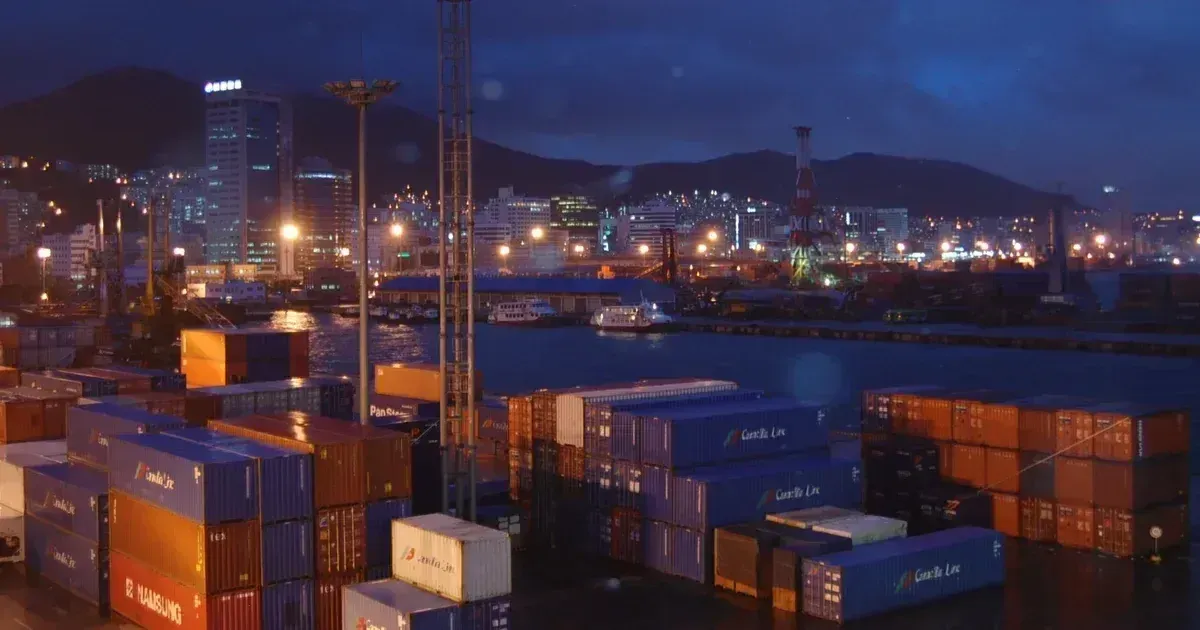
Trade relations between Seoul and its neighbors stayed relatively stable throughout the first quarter. Increased exports to Southeast Asia offset the cooling demand from mainland China. Logistics firms reported that shipping volumes through the Port of Busan rose by 8 percent. Diversification of export markets has reduced the sensitivity of the KOSPI to regional geopolitical shifts.
Rising energy prices, however, continue to pose a potential risk to the manufacturing-heavy index. South Korea imports nearly all of its oil and natural gas. Sustained high prices for Brent crude could squeeze the margins of the petrochemical and shipbuilding sectors. These industries include a substantial portion of the KOSPI and could drag the index lower if energy costs spike.
KOSPI Record Tests Market Concentration
Conventional wisdom celebrates the 6,400 milestone as a sign of economic health, but a more skeptical view reveals a dangerous dependence on a handful of tech behemoths. The KOSPI is not a diversified reflection of the South Korean economy; it is a leveraged bet on global semiconductor demand. If the AI bubble bursts or the semiconductor cycle turns, the fall will be as rapid as the ascent. Investors are ignoring structural weaknesses in the labor market and a demographic crisis that threatens long-term domestic consumption.
Can a market truly thrive when its success is dictated by two companies? Samsung Electronics and SK Hynix now represent an unhealthy percentage of the total market capitalization. This concentration risk makes the entire exchange vulnerable to sector-specific shocks. Furthermore, the Corporate Value-up program is largely a cosmetic exercise designed to pacify foreign critics without addressing the deep chaebol governance issues. Minor improvements in dividend yields do not equal a fundamental change in how these conglomerates are managed. Sustained growth requires more than high chip-export numbers. The reality of the Korea Discount persists because minority shareholders are still treated as secondary participants. Until the legal framework genuinely protects outside investors from family-controlled boardroom decisions, the KOSPI will remain a speculative playground instead of a stable harbor for capital. The current peak is a fragile crown.