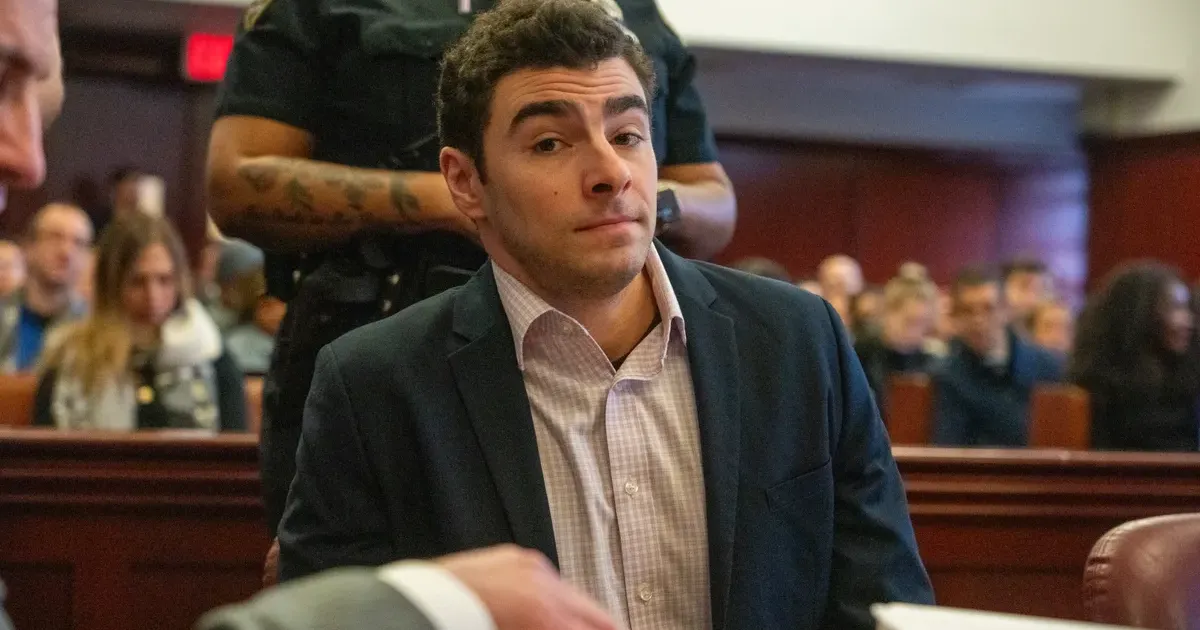
Luigi Mangione's federal trial over the killing of UnitedHealthcare CEO Brian Thompson is no longer on an October 2026 track. U.S. District Judge Margaret Garnett moved the federal schedule into January 2027 after defense lawyers argued that the state case, now set to begin September 8, would collide with federal jury preparation.
The new federal calendar matters because this is not a single-courtroom prosecution. Mangione, who has pleaded not guilty, faces state and federal proceedings tied to the December 2024 killing in Manhattan. The state case is scheduled first. The federal case now has jury selection set for January 5, 2027, and opening statements scheduled for January 25.
The October Schedule Did Not Survive
Earlier scheduling had pointed toward an October federal trial, with jury work beginning in the fall. That posture signaled that Garnett did not initially want the federal case drifting far into the future. But the practical problem became harder once the state case moved to September.
Defense lawyers argued that federal juror questionnaires and trial preparation would be compromised if they overlapped with a high-profile state murder trial built around the same core event. That argument gained force because media attention from the state case would likely shape the very jury pool the federal court was trying to screen.
The January delay is not an acquittal, dismissal or retreat from prosecution. It is a scheduling decision shaped by trial management, fairness concerns and the unusual pressure of dual proceedings.
The State Case Now Leads
The state trial is scheduled to begin September 8, 2026. That puts New York prosecutors first in line to present their case to a jury. The state charges remain separate from the federal stalking case, even though both tracks arise from the killing of Thompson.
The trial order matters for strategy. Evidence aired in the state trial could influence public perception before the federal jury is selected. Witness testimony, rulings, media coverage and any verdict would all land before the federal trial begins.
For the defense, that sequencing creates risk. For prosecutors, it may provide clarity. For the court, it creates the job of keeping one proceeding from contaminating the other.
The Federal Case Is Narrower Than It Once Looked
The federal prosecution has already changed. Garnett previously dismissed death-eligible federal counts and a related firearms count, which removed the federal death-penalty threat from the case. Mangione still faces serious federal charges, including stalking-related allegations tied to interstate activity, but the capital posture is no longer what it was.
The changed federal posture should not be blurred. The case remains severe, and a conviction could carry grave consequences. But readers should not be left with the outdated impression that the federal trial is proceeding under the same death-penalty frame that dominated earlier coverage.
Legal timelines in a case like this are not just calendar entries. They define which theories survive, which evidence will be contested and how much room each side has to prepare.
Jury Selection Is the Central Pressure Point
Finding impartial jurors will be difficult. Thompson's killing became national news, Mangione became a subject of intense online discussion, and the healthcare-industry backdrop turned the case into a cultural argument far beyond the courthouse.
The publicity makes questionnaires, voir dire and media exposure especially important. Potential jurors may have seen commentary about the insurance industry, Mangione's supporters, the manhunt, the charges, or prior rulings before they ever enter court.
A January schedule gives the federal court more distance from the state trial, but it does not erase the problem. It only gives the judge and lawyers a better chance to identify bias before opening statements begin.
Dual Prosecutions Keep Driving the Defense Argument
Mangione and his lawyers have objected to being prosecuted in both state and federal court over the same killing, arguing in broad terms that the structure is unfair and burdensome. Courts generally allow separate sovereign prosecutions in some circumstances, but that does not remove the practical strain on preparation.
The defense has to review discovery, litigate motions, prepare witnesses, assess forensic evidence and build jury strategy across two tracks. Prosecutors, meanwhile, have argued that overlap in facts and witnesses reduces the need for open-ended delay.
The January ruling lands between those positions. It gives the defense more time without letting the federal case disappear into indefinite postponement.
The Delay Protects the Verdict as Much as the Defendant
The strongest reason for a slower schedule is not sympathy for either side. It is durability. A rushed trial in a nationally watched case invites later claims that the defense was boxed in, the jury pool was tainted or the court valued speed over fairness.
Garnett's new calendar reduces that appellate risk. It also recognizes that the state case will generate fresh publicity and legal developments before the federal case can responsibly begin.
The result is a more realistic schedule for a case whose public profile has always threatened to outrun the courtroom. Mangione remains presumed innocent unless convicted. Prosecutors still have to prove their case. The January federal date does not lower that burden; it gives the process a better chance to survive the scrutiny that will follow whatever verdict comes next.