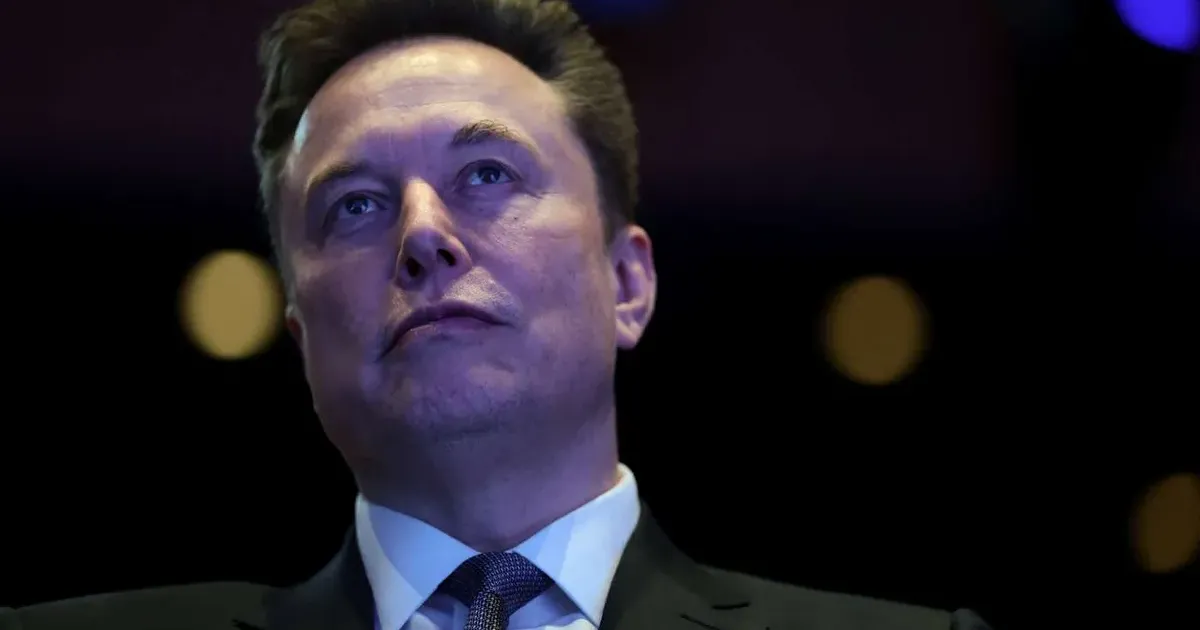
Jurors in a San Francisco federal court delivered a verdict finding that Elon Musk defrauded investors during his volatile purchase of Twitter. This long-awaited decision concluded a high-stakes class action trial where former shareholders argued that the billionaire intentionally manipulated the market to lower the acquisition price. the jury rejected the broadest conspiracy claim but still found specific public statements about bot accounts misleading and harmful to shareholders who sold during the 2022 negotiation period. The jury order against Elon Musk had become part of the Twitter litigation record.
Disclosure Timing Becomes Liability
Musk now faces a liability that could erase a major portion of his liquid net worth. The jury rejected the defense team's argument that his tweets were a form of speaking his mind or unfiltered transparency. Instead, the verdict affirms that even the world's most prominent executives are bound by securities laws that prohibit the dissemination of false information intended to influence stock valuations. This decision follows years of litigation that scrutinized every digital footprint Musk left during the $44 billion takeover process. Meanwhile, the financial implications for the class members are substantial and immediate. Jurors calculated that affected shareholders are entitled to recover damages based on the daily price depression caused by the defendant's rhetoric. Financial records presented during the trial showed that the stock price experienced sharp, non-random declines immediately following several high-profile social media posts. The court noted that these price drops forced many institutional and retail investors to liquidate their holdings under duress or false pretenses about the deal's viability.
Numbers finalized in the verdict indicate a tiered compensation structure for the plaintiffs.
Jurors calculated that shareholders should get between about $3 and $8 per stock per day.These figures were derived from economic modeling that isolated the impact of Musk's tweets from general market trends. By calculating the difference between the actual trading price and what the price would have been without the misleading statements, the jury established a clear mathematical path to a multi-billion dollar payout. Experts suggest the total could reach the high single billions once all valid claims are processed through the class administrator.
In fact, the window for these claims covers several weeks of intense trading activity in mid-2022. The most significant damage period began on May 13, when a specific post suggested the merger was suspended. This single action wiped out billions in market capitalization within hours. For instance, the jury focused on the contrast between Musk's public expressions of doubt and his private communications with lenders, which suggested the deal was still moving forward despite his public protestations. Still, the jury did offer Musk some relief by clearing him of the most expansive fraud allegations. They did not find that he engaged in a premeditated scheme to destroy Twitter's value from the very beginning of the stake-building process. Even so, the liability for the individual tweets is still a crushing blow. The distinction indicates that the jury differentiated between aggressive negotiation tactics and the distribution of verifiably false data points to the investing public.
Bot Statistics and Misleading Twitter Statements
Twitter's internal data regarding fake accounts became the central battleground of the litigation. Musk argued that he was misled by the company's executives, claiming they lied about the 5 percent bot threshold. Yet, the evidence presented in court showed that Musk had waived his right to formal due diligence before signing the initial merger agreement. By contrast, the plaintiffs provided testimony from former Twitter engineers who stated that the methodology for counting bots was consistent with industry standards and previously disclosed to the SEC.
Legal records from the trial highlight a May 17, 2022, statement where Musk claimed that fake accounts might account for more than 20 percent of the platform's users. The figure was presented without supporting evidence and directly contradicted the company's regulatory filings. To that end, the jury found that making such a specific, inflammatory claim without a factual basis constituted a breach of the duty of care owed to the market. The resulting uncertainty discouraged potential buyers and encouraged panicked selling among the existing shareholder base.
Separately, the defense attempted to use Musk's appearances on various podcasts as evidence of his sincerity. They argued that his informal tone was a known quantity to the market and that no reasonable investor would take a tweet as a definitive corporate disclosure. But the jury's decision suggests a rejection of the idea that social media operates under a different set of legal rules than traditional press releases. The verdict implies that the platform used to deliver the message does not shield the messenger from the consequences of the content itself.
Market Volatility and Tesla Share Impacts
Financial analysts testifying for the plaintiffs linked the Twitter volatility to the performance of Tesla shares. During the period in question, Musk was forced to sell substantial blocks of his electric vehicle company's stock to fund the acquisition. According to market data, the downward pressure on Twitter's price was often synchronized with movements in Tesla's valuation. This created a feedback loop where investors in both companies were left guessing about the stability of Musk's broader financial empire.
For one, the lawsuit alleged that Musk sought to drive the Twitter price down specifically to reduce the number of Tesla shares he would need to pledge as collateral. While the jury was not asked to rule on the Tesla-specific impacts, they acknowledged the interconnected nature of the trades. The $54.20 per share offer price became an anchor, and every tweet that suggested a lower valuation or a deal collapse served to destabilize the equity of both entities. The verdict provides a degree of closure for those who felt caught in the crossfire of Musk's shifting priorities.
Investors who held shares in both companies were particularly vocal during the trial about the lack of clear communication. By the time the deal closed in October 2022, the damage to the investor trust was already documented in the company's internal sentiment surveys. The jury's focus on the $8 per share maximum damage figure reflects the extreme end of the volatility recorded during the height of the bot controversy. Each day the deal was categorized as on hold added another layer of liability to the final judgment. the Musk shareholder verdict turns timing into liability. Markets can forgive boldness more easily than they forgive disclosure failures that change who had information when.