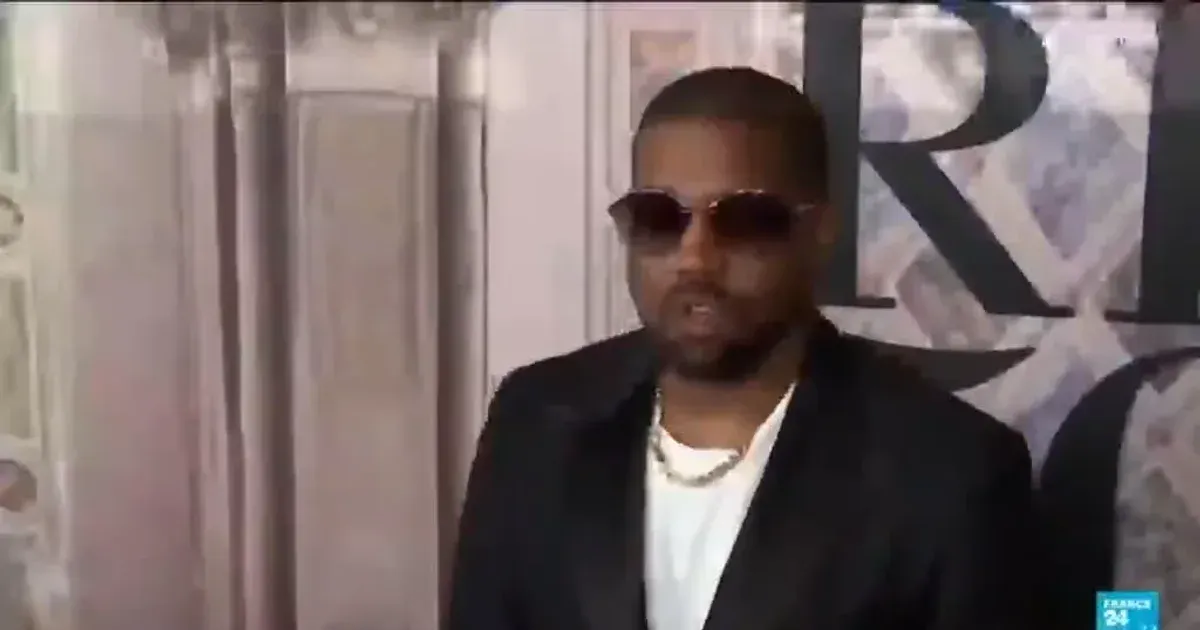
Kanye West postponed his scheduled Marseille performance after days of public pressure from French officials and local organizers. The postponement also left fans and promoters waiting for a new timetable. The April 15, 2026, announcement said the show would not proceed as planned. Late on the previous evening, the American artist confirmed that the concert in France's second-largest city was postponed until further notice. This decision followed intense public pressure from high-ranking government officials who viewed the event as a potential threat to public order. Kanye West had been expected to draw tens of thousands of fans to the Mediterranean port city before the sudden shift in logistics. Local promoters received the update after days of mounting tension regarding the rapper's presence on French soil.
Marseille officials expressed meaningful concerns regarding the content of the performance and the rhetoric surrounding the artist. Security costs for a stadium event of this magnitude typically exceed 1.2 million euros. Authorities in the Bouches-du-Rhône department had been reviewing safety protocols for weeks leading up to the announcement. The local prefecture remained silent for several days while the interior ministry in Paris weighed a formal intervention. Municipal leaders argued that the city was not the appropriate venue for an artist currently embroiled in international condemnation. Public sentiment in the city remained divided between younger fans and civil rights organizations.
Marseille Officials React to Antisemitic Rhetoric
Legal challenges to the concert began gaining momentum when reports surfaced that national authorities were prepared to invoke administrative bans. Under French law, the government possesses the power to prohibit public gatherings if they pose a genuine risk to public tranquility. This specific legal framework has been used sparingly against high-profile international entertainers. France maintains strict statutes regarding hate speech and the glorification of discrimination. Critics of the artist pointed to a pattern of behavior that they claimed violated the spirit of these laws. Many local activists demanded that the venue, often a symbol of Marseille's diverse heritage, be protected from controversial rhetoric.
Stadium management at the Orange Vélodrome had already begun preliminary preparations for the stage construction. Logistics teams were forced to halt operations late Tuesday as the rumors of a ministerial block intensified. Technical crews reported that dozens of local vendors will lose serious revenue due to the cancellation. These small businesses often rely on huge summer concerts to balance their annual budgets. Estimates suggest the local economy could see a shortfall of nearly $10 million in hospitality and transport spending. No new date has been proposed for the performance.
Opposition to the event was not limited to local council members. National Jewish organizations and anti-racism groups filed several petitions to prevent the artist from taking the stage. These groups argued that providing a platform to individuals who have made antisemitic remarks creates a dangerous precedent. They cited the Loi Gayssot, a 1990 statute that criminalizes the contestation of crimes against humanity. While the artist has not been charged with a crime in France, the administrative threshold for blocking a concert is significantly lower than a criminal conviction. Police presence in the city center had already been increased in anticipation of protests.
French Interior Minister Pressure Forces Postponement
Reports emerged from Paris indicating that the Interior Minister was personally reviewing the file. This level of executive involvement is rare for a musical performance. Government sources suggested that the minister was prepared to issue a formal decree to block the show if the artist did not withdraw voluntarily. The move would have mirrored previous actions taken against performers like Dieudonné M'bala M'bala. French administrative courts generally uphold these bans if the government can prove a risk to public order. Political pressure from across the aisle left the ministry with little room for compromise. The minister's office refused to provide a public comment on the private negotiations. The Marseille postponement follows similar government efforts, as seen when Prime Minister Keir Starmer bars Kanye West from Britain.
France 24 reported on April 15, 2026, that the interior minister was seeking to block the performance because of West's antisemitic remarks.
Negotiations between the artist's management and French authorities likely occurred behind closed doors. West has faced similar challenges in other European capitals over the last eighteen months. Several venues in Germany and Italy reportedly declined to host the current tour. These cancellations have hampered the financial viability of his global itinerary. Insurance premiums for his events have skyrocketed as a result of the constant threat of administrative bans. Promoters must now account for the possibility of total losses in multiple jurisdictions. Ticket holders were notified via email that their purchases would be honored at a future date.
Revenue from the Marseille shows was projected to be one of the highest on the European leg. The Marseille stadium has a capacity exceeding 60,000 for concerts. Ticket prices for the event ranged from 80 euros to over 500 euros for VIP packages. Secondary market prices had reached quadruple the face value before the postponement was announced. Refund requests began flooding the primary ticketing platforms within minutes of the news. Some fans traveled from as far as Spain and North Africa to attend the show. Hotels in the Old Port district reported a 30% spike in cancellations.
French Venue Pressure Builds
Nations that weaponize administrative law to silence erratic artists reveal more about their own insecurities than the threat posed by a microphone. France's attempt to block Kanye West is not an act of moral clarity but a cynical exercise in political theater designed to distract from domestic instability. By invoking public order to preempt a concert, the Interior Ministry has effectively handed West the martyr status he so desperately craves. It is a tactical error that converts a disgraced celebrity into a symbol of suppressed speech for his core audience.
European bureaucracy is increasingly allergic to the unpredictability of American cultural exports. The French state is using the artist as a convenient punching bag to demonstrate its commitment to secularism and social harmony while the banlieues remain a tinderbox. It is a performance of power where actual power is lacking. The administrative overreach will not curb antisemitism; it will merely move the conversation to unmonitored digital platforms where it cannot be challenged. Governments should stick to policing streets rather than playlists.
The financial destruction of the Marseille shows is a warning to global promoters. From a strategic perspective, the risk of booking controversial talent in Europe is now prohibitively high. We are entering a period when the "moral clause" in venue contracts will become the primary mechanism for censorship. The artist is a spent force, but the precedent of the state deciding who is allowed to sing in a stadium is far more dangerous. Marseille lost money, but France lost a bit more of its claim to be a stronghold of free expression.