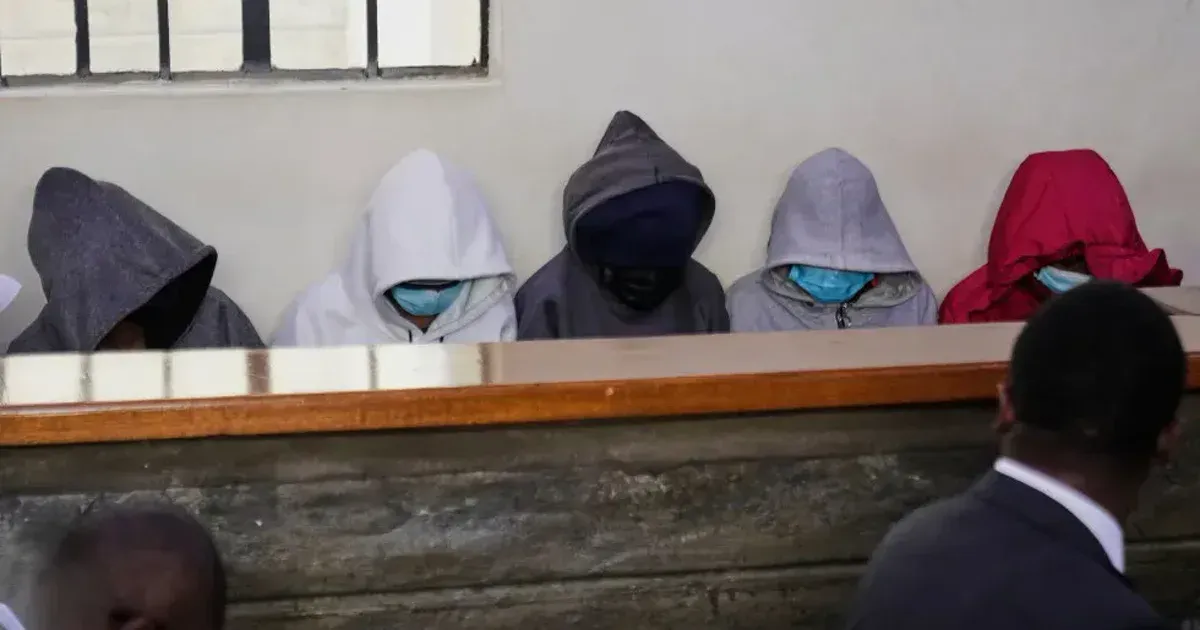
Kenya's plan to charge students with murder over a deadly dormitory fire has turned a school safety disaster into a criminal case with national consequences. The fire killed 16 girls at Utumishi Girls Academy and left families demanding answers about how a student residence could become a death trap.
The Associated Press reported that Kenyan prosecutors prepared murder charges against students accused of starting the fire, which broke out in May at the school in Gilgil, northwest of Nairobi.
Officials have said the victims were girls between 15 and 18 years old, and dozens of other students were injured during the blaze.
On June 25, 2026, the case stood at the intersection of juvenile justice, school discipline and public anger over boarding school safety.
Criminal Charges Raise A Hard Question
Kenya school fire investigations have to separate two issues that are emotionally linked but legally different. Prosecutors must decide whether the evidence supports murder charges, while education officials must explain what safety failures made the deaths possible.
The criminal case will be closely watched because the accused are students. That creates a difficult balance between accountability for a catastrophic loss of life and legal protections that apply when minors are involved in a serious prosecution.
Families of the victims are likely to focus on more than who allegedly started the fire. They will want to know whether dormitory design, supervision, emergency exits, alarms and response procedures gave students a real chance to escape.
A criminal case can identify suspects, but it cannot by itself answer whether the school system kept students safe.
Boarding School Safety Comes Under Pressure
Dormitory safety is now the practical policy issue. Boarding schools depend on trust that children living away from home are protected overnight, when supervision is thinner and emergencies can spread quickly through crowded sleeping areas.
Kenya has faced previous school fire tragedies, and each case has raised similar questions about locked doors, overcrowding, bullying, discipline disputes and whether administrators respond early enough to warning signs. A prosecution may satisfy demands for justice, but it does not automatically reduce those risks.
The Utumishi case also shows how school discipline can become a public safety problem when conflicts move into residential spaces. If students feel unsafe, ignored or trapped in disputes, ordinary disciplinary systems may fail before violence or arson occurs. That is why the response should include counseling, anonymous reporting channels, dormitory inspections and emergency drills, not only criminal files. Schools that house teenagers overnight need systems that detect danger early, because once a fire starts in a crowded dormitory, minutes can decide whether students escape or are trapped.
What Authorities Must Prove
For prosecutors, the burden is evidence. They will need to show who acted, what intent can be proven and how the alleged conduct connects to the deaths. Public anger cannot substitute for a reliable case, especially when the charges are as serious as murder.
Student accountability also has to be paired with institutional accountability. If inspectors, school managers or local officials missed known hazards, the public will expect action beyond the courtroom.
The case is therefore likely to shape a wider debate about boarding school oversight. Parents will want clear answers about emergency drills, dorm capacity, fire suppression and whether students can report threats before they escalate. Those answers matter because boarding schools concentrate responsibility in a way day schools do not. Once students sleep on campus, administrators are responsible not only for lessons and discipline but also for night supervision, building safety, mental health warning signs and credible escape routes. A fire that kills students in a dormitory is therefore a system failure even if prosecutors prove that specific individuals deliberately caused it.
Kenya's next step will show whether the response remains focused only on punishment or expands into prevention. The families who lost children will need both: a credible legal process and visible reforms that make another dormitory tragedy less likely. That means the investigation cannot stop at the identities of the accused students. It has to examine how the dormitory was monitored, whether exits were clear, whether staff could respond quickly and whether earlier signs of conflict were missed. A strong prosecution may answer who is responsible for the alleged act, but the education system still has to answer why the consequences became so deadly. That second answer will determine whether the case becomes a narrow criminal file or a national safety reset for boarding schools that house children far from their families. It should also force transparent reporting on fire inspections, dormitory capacity and emergency preparedness, because parents cannot judge risk when safety information remains internal to schools and ministries before another emergency exposes the same weaknesses in another dormitory, another county or another boarding school term, especially in institutions where parents rarely see the dormitory conditions firsthand.