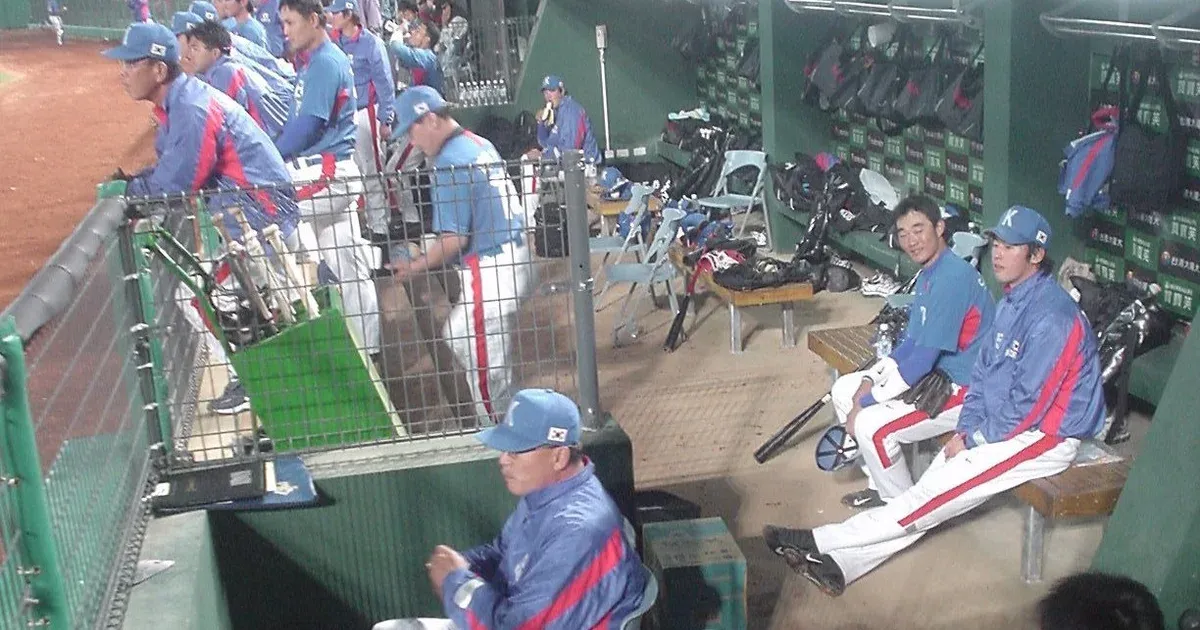
Kim In-sik baseball message is less nostalgia than warning. The former Korean manager is asking modern players to recover the nerve that once made South Korea a difficult opponent on the world stage. By March 11, 2026, fearless baseball had become a shorthand for confidence under international pressure.
Legacy Can Become Pressure
Kim's achievements in earlier World Baseball Classic runs still shape expectations. That history can inspire players, but it can also become a burden if every modern roster is measured against a mythic version of the past. The useful part of his message is not that older teams were automatically better. It is that talent without conviction rarely survives global tournaments. Kim's warning lands because South Korean baseball carries a memory of international overachievement. The World Baseball Classic years gave fans a standard that can be inspiring, but it can also become a burden for players raised under constant comparison. Fearless play does not mean reckless swings or theatrical hustle. It means accepting pressure without shrinking the game into cautious, mistake-avoidant baseball. The international context matters because South Korean baseball is judged against memories of teams that played above expectation. Those memories can energize a program, but they can also create a permanent accusation that modern players are too comfortable, too commercial or too cautious. Kim's message is strongest when it is read as a demand for competitive clarity. Fearless play is not swinging at everything, ignoring data or romanticizing the past. It is trusting preparation when pressure arrives and refusing to let fear of criticism decide the at-bat. Modern baseball gives players more information than ever. Scouting reports, pitch models and matchup data can sharpen decisions, but they can also make athletes look hesitant if every choice feels overprocessed. The best teams use information to attack, not to hide. South Korea's next step is therefore cultural as much as tactical. Coaches need to give players permission to fail aggressively in the right situations. A team trying not to be embarrassed rarely becomes a team that scares elite opponents. League development is part of the answer. If domestic competition rewards caution, players will carry that habit into international tournaments. If coaches value aggressive decision-making and tolerate the right kind of failure, the national team will have a better chance of playing with the nerve Kim is demanding. Kim's critique will sting because it comes from a manager associated with belief as well as results. That gives the message authority, but it also raises the standard for how the current generation answers. The response has to show up on the field. Speeches about fearlessness mean little unless players are allowed to make brave choices when pressure rises.
The Modern Standard
Baseball has become more analytical, more specialized and more cautious in some situations.
The sharp conclusion is that fearlessness does not mean recklessness. It means attacking the moment instead of waiting for the opponent to make it easier.
If South Korea wants its edge back, it needs skill, preparation and the nerve to use both when the game tightens.