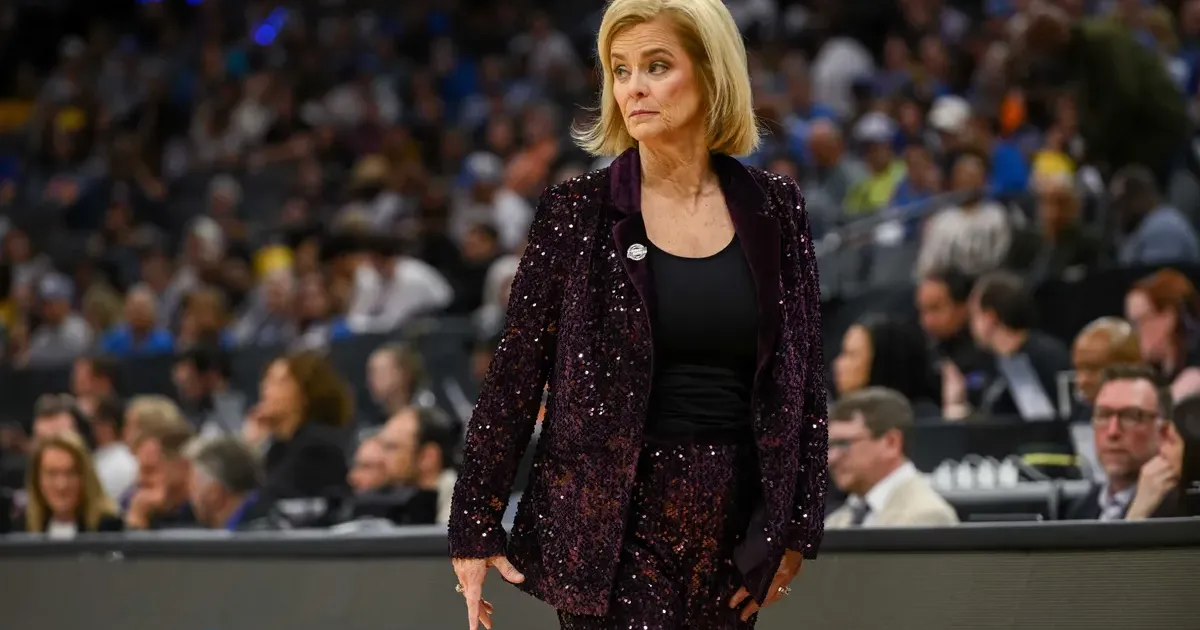
Kim Mulkey used the aftermath of LSU's Sweet 16 loss to reject a retirement rumor that had followed the program into game day. The denial matters because retirement speculation can reshape recruiting before a program intends it. That gives a single postgame answer unusual weight. On March 28, 2026, the Hall of Fame coach said the claim that she planned to leave the Tigers was false and that she remained committed to the job. Duke had just ended LSU's tournament run with an 87-85 win, but the postgame conversation quickly shifted from the final possession to Mulkey's future. The rumor had circulated through social media accounts that presented themselves as connected to the program, then gained force because tournament losses create a natural opening for speculation about staff changes and program direction. By the time Mulkey reached the podium, friends, colleagues and LSU supporters had already been asking whether she was preparing to step away. Mulkey answered directly, saying she was not retiring and had never told anyone she planned to do so.
Retirement Rumor Hits LSU Game Day
The timing mattered. A Sweet 16 game already carries enough pressure without a head coach having to respond to claims about her long-term status. LSU officials and staff spent part of the day managing questions that had not come from the team, the university or any verified announcement. That is the modern risk for major programs: an anonymous post can become a game-day storyline before anyone with authority has spoken.
Mulkey also addressed her health because the rumor partly leaned on speculation about her age and medical history. She noted that she is 63, has heart stents and has been cleared by doctors to continue coaching. The public nature of that explanation showed how far unverified sports chatter can push a coach into private territory, especially for a coach whose health and longevity are now part of recruiting narratives. A basketball question became a medical question because the rumor cycle demanded it. There was no sign from LSU that the program was preparing for a transition. The Tigers had just completed a 29-6 season and remained one of the most visible teams in women's college basketball. A loss to Duke ended the title chase, but it did not erase the larger program Mulkey has built in Baton Rouge.
Contract and Program Stability
Mulkey's contract runs through the 2032-33 season, a detail that undercuts the idea of an imminent exit. Long agreements do not make retirement impossible, but they do show that LSU and its coach have planned around stability. In recruiting, that matters. Rivals can use uncertainty against a program, especially when prospects and transfers are weighing whether the staff they choose will still be in place two years later.
Her record also makes the speculation hard to separate from the broader attention around her public persona. Mulkey has won national titles, rebuilt LSU into a national power and remained one of the sport's most polarizing figures. That profile makes her a target for rumor, but it also gives her the platform to push back forcefully when the claim is wrong. For LSU, the next basketball question is practical. The Tigers need to review the Duke loss, protect the roster core and address shooting and late-game execution before the next season. Mulkey made clear that she expects to lead that process rather than watch it from outside the program.
The Duke loss also gives the rumor a specific competitive backdrop, because postseason disappointment always invites outside speculation. LSU did not exit because of a leadership vacuum; it lost a two-point tournament game in a round where small execution gaps decide seasons. That distinction matters for boosters and recruits evaluating whether the program is still stable. Mulkey's public denial therefore served two audiences at once. It answered reporters in the room, but it also signaled to players and prospects that LSU would not spend the offseason in succession mode. In college basketball, that kind of clarity can be as important as a roster addition because uncertainty moves quickly through the transfer portal.
There is also a media-literacy lesson for the sport. Women's college basketball is receiving more national attention, which is good for the game, but that visibility brings the same rumor economy that has long surrounded football and men's basketball. Programs now need rapid internal communication plans for false reports, because silence can be misread as confirmation within minutes.
LSU Succession Question
The episode shows how quickly sports coverage can drift from reporting into rumor management. Coaches at major programs now defend not only tactics and results, but also narratives created by accounts with no formal accountability. The cost is not just irritation. A false retirement story can affect recruiting, donor confidence and the emotional state of a locker room preparing for a postseason game.
Mulkey's response was useful because it replaced a vague social-media claim with a direct statement. It did not change the result against Duke, and it will not soften criticism of LSU's tournament exit. But it did restore one important fact: the coach says she is staying, her contract says LSU has planned for her to stay, and the burden now shifts back to anyone claiming otherwise to produce evidence rather than engagement.