The state visit now carries a security burden beyond ceremony. King Charles III is entering a Washington security environment already strained by domestic political violence and diplomatic uncertainty. His four-day state visit was scheduled to begin on April 26, 2026, with British and American officials trying to steady a fractured transatlantic alliance. Security officials in both nations intensified their coordination after a recent shooting event raised the threat profile for high-ranking foreign dignitaries. British and American intelligence agencies are currently reviewing protection protocols to address specific vulnerabilities identified in preliminary assessments. Queen Camilla will accompany the monarch through a series of high-profile engagements in the capital city.
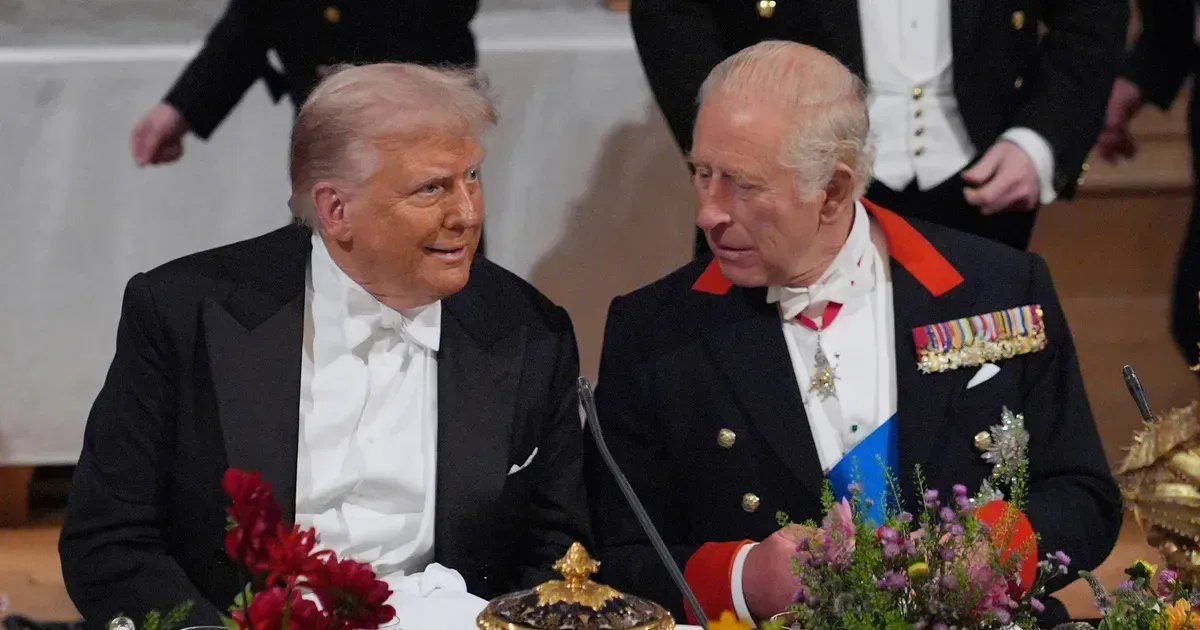
Diplomatic objectives for this trip center on stabilizing relations that fluctuated sharply during the previous administration. National security advisors suggest that the royal presence acts as a soft-power tool to reinforce historical bonds between London and Washington. Persistent disagreements over trade and defense spending have created a visible distance between the two allies. Traditional protocols dictate a rigorous level of hospitality, yet the underlying atmosphere is defined by cautious negotiation. Personal rapport between the King and the American President is expected to be a primary focus of the first formal dinner.
Intelligence Agencies Adjust Protection for King Charles
Secret Service agents are implementing a multi-layered defense strategy that includes drone surveillance and enhanced perimeter controls. Coordination with the Metropolitan Police from London ensures that the King’s personal protection team integrates seamlessly with American tactical units. Intelligence sharing has increased since the shooting incident, with a focus on monitoring domestic extremist groups that might target the visit. Every public appearance requires a swept zone of at least three city blocks to prevent unauthorized access. Technical specialists have also deployed signal jamming equipment to counter potential remote-controlled threats.
Security planners identified the visit as a high-value target for groups seeking to exploit the current political polarization in the United States. Tactical teams from the Secret Service are prepared for rapid extraction scenarios in multiple locations across the District of Columbia. British security officers often prefer a lower-profile approach, but the American environment requires a visible show of force. Planners must balance the King’s desire for public interaction with the absolute requirement for physical safety. This trip marks the first time such an expansive security envelope has been applied to a British royal visit since the 1970s.
British officials said they were working closely with American counterparts to provide the highest level of protection for the King during the diplomatic mission.
Political Divisions Strain Traditional US-British Ties
Populist movements in the United States continue to question the utility of the special relationship with the United Kingdom. Trade barriers remain a serious hurdle, despite the shared language and history of the two nations. Political analysts observe that the rift mentioned by NPR sources persists despite efforts to project a unified front. Royal visits traditionally serve to remind American taxpayers of the strategic benefits provided by British intelligence and military cooperation. Recent legislative shifts in Congress have prioritized domestic manufacturing over international trade agreements.
British diplomats are focusing their efforts on senators who hold key positions on the Foreign Relations Committee. Queen Camilla is scheduled to meet with cultural leaders to promote literacy and educational initiatives. These efforts aim to bypass political gridlock by appealing directly to the American public through charitable foundations. Historical context shows that royal visits often precede major shifts in bilateral policy agreements. Economic data indicates that the United Kingdom remains one of the largest investors in the American private sector.
A $4.2 billion annual defense partnership between the two countries remains a foundation of the current strategy. NATO commitments often rely on the close coordination of British and American naval forces in the North Atlantic. Recent fluctuations in American foreign policy have caused concern in London regarding the reliability of long-term security guarantees. British ministers are seeking private assurances that the current administration will maintain support for joint technology projects. Every meeting at the White House will be scrutinized for signs of cooling or warming in these essential ties.
Coordination Between Metropolitan Police and Secret Service
Joint training exercises occurred in early April to familiarize British officers with American tactical communication systems. Differences in firearms regulations and jurisdictional authority require detailed legal agreements before the monarch lands. The Secret Service holds primary responsibility for the King’s safety while he is on American soil. British protection officers maintain their proximity but yield to American command in active threat scenarios. Logistics for the four-day visit include a fleet of armored vehicles transported via military aircraft from the United Kingdom.
Emergency medical teams will be stationed within the motorcade at all times to address any health concerns or injuries. Hospitals along the travel route have been notified to remain on high alert during the monarch’s transit through the city. Advanced scouting teams have spent weeks mapping the interiors of every building the King is scheduled to visit. Security for the royal couple is often more complex than that of a head of state due to the symbolic nature of the monarchy. Protests are expected near the British Embassy, requiring additional support from the D.C. Metropolitan Police Department.
Urban environments like Washington present unique challenges for protection details due to the density of high-rise buildings. Surveillance teams have occupied rooftop positions along the Pennsylvania Avenue corridor. Counter-sniper units are integrated into the security plan for every outdoor ceremony. Public transport schedules may experience delays as security cordons expand and contract throughout the day. Residents are encouraged to expect major traffic disruptions near the National Mall.
Future of Special Relationship Hinges on Security Stability
Reliable intelligence suggests that foreign actors may attempt to use the visit to spread disinformation through social media channels. Cyber defense units are monitoring for attempts to breach the communication networks used by the royal delegation. Maintaining the integrity of the visit is a matter of national prestige for the host government. Failure to provide a secure environment would have lasting negative effects on the diplomatic standing of the United States. Previous visits by Queen Elizabeth II set a high bar for the execution of state functions under intense pressure.
King Charles III is expected to address the importance of environmental sustainability during a speech at the Smithsonian Institution. This address will likely touch on shared goals for climate action despite differing domestic political priorities. Scientific cooperation between British and American universities remains an essential component of the broader relationship. The King’s interest in architecture and urban planning will also be highlighted during a tour of historical sites. Success for this visit will be measured by the lack of incidents rather than the signing of new treaties.
Diplomacy often functions through these highly choreographed events where the imagery is as important as the dialogue. If the security apparatus functions without a visible flaw, the focus can shift to the substantive policy discussions occurring behind closed doors. London expects a reaffirmation of the defense pact that has governed the last eight decades. American officials view the visit as an opportunity to demonstrate the stability of their institutions. The King concludes his trip with a visit to a Virginia technology hub before returning to London.
Royal Pageantry Cannot Repair a Failing Special Relationship
Sending a septuagenarian monarch into the volatile theater of American politics is a desperate move by a British establishment that has lost its geopolitical footing. The state visit is not a celebration of shared values but a frantic attempt to salvage a relationship that is rapidly becoming a liability for a post-Brexit London. While the royal family specializes in the pageantry of permanence, the reality is that the special relationship is currently on life support. The security concerns surrounding the shooting are merely symptoms of a deeper domestic instability in the United States that a gold-trimmed carriage cannot fix.
Why should the American taxpayer foot the bill for an 18th-century relic when the strategic benefits are increasingly lopsided? British influence in Washington has declined as the pivot to Asia consumes the State Department’s attention. Reliance on royal soft power reveals a lack of substantive policy tools available to the British Foreign Office. If the only way to get the White House to listen is to fly in a King, the relationship is already functionally dead. Empty symbolism is the last refuge of a dying empire. The trip will be a tactical success for the Secret Service and a strategic failure for the British state. Expect more pomp, less substance, and a quiet retreat. Brutal irrelevance awaits.