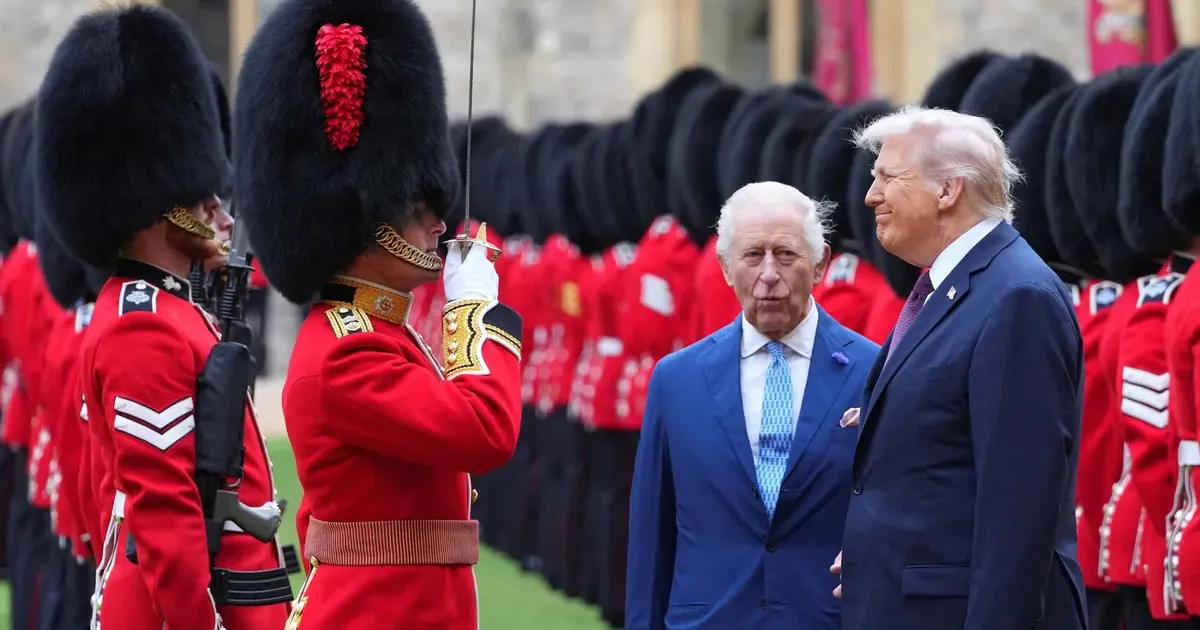
King Charles III's address to a joint meeting of Congress was royal ceremony, but it was not empty pageantry. The April 28 speech, delivered during his 2026 state visit to the United States with Queen Camilla, used the House chamber to make a strategic case for the UK-US alliance at a moment when both countries needed the relationship to look steady.
Charles was only the second British monarch to address Congress, following Queen Elizabeth II in 1991. That precedent gave the day historical weight. But the setting was different. Elizabeth spoke as the Cold War order was being remade. Charles spoke in a more fractured world, with Russia, China, cyber conflict, trade pressure, energy security and domestic political volatility all shaping the transatlantic agenda.
The Speech Was About Relevance
A monarch does not arrive in Washington to negotiate like a prime minister. That is exactly why the role can be useful. Charles could speak above party conflict while still reinforcing the political value of Britain as an American partner. His message leaned on history, shared sacrifice and democratic continuity, but the purpose was contemporary: keep Britain close to American power.
For the United Kingdom, influence matters because it is no longer automatic. Britain still has intelligence depth, military reach, diplomatic networks, financial capacity and a permanent seat at the UN Security Council. It also has to keep proving that those assets make it more than a nostalgic ally. A congressional address gives that argument a stage large enough to matter.
The Elizabeth II Comparison Cut Both Ways
The 1991 comparison helped Charles, but it also sharpened the test. Elizabeth II carried the authority of a monarch who had lived through the Second World War and represented postwar continuity. Charles arrived with a different public identity: environmental advocate, late-in-life king, constitutional symbol and diplomatic asset for a country still adjusting to its post-Brexit place.
The changed setting made the speech less about inherited affection and more about adaptation. The alliance could not simply be praised as old. It had to be presented as useful now. Charles's task was to make the special relationship sound like a working instrument, not a phrase kept alive because both capitals are too polite to retire it.
Trump's Hosting Raised the Stakes
The state visit was hosted by President Donald Trump, which made the optics more complicated. Royal visits are designed to smooth rough politics, and this one came with a heavy diplomatic load. British officials wanted warmth from a president whose foreign policy instincts can unsettle allies. Washington wanted the reassurance of a familiar partner without treating the alliance as charity.
Royal diplomacy does its work. Afternoon tea, a state dinner, a congressional address and military ceremony can make a strained relationship look ceremonial before it looks transactional. The crown cannot remove policy disputes, but it can create an atmosphere in which both governments can signal respect without making every exchange sound like a negotiation.
Climate, Security and Democracy Shared the Frame
Charles brought his long environmental record into a broader security argument. Climate, resilience, technology, defense and democratic stability were not separate themes. They were parts of a future-security pitch. That fits the modern alliance more honestly than a speech built only around wartime memory.
The United States still benefits from Britain's intelligence network, defense cooperation and diplomatic reach. Britain still needs American weight in NATO, technology, trade and global crises. The speech worked because it joined those interests without making the king sound like a cabinet minister. He was not asking for one bill or one deal. He was defending the political atmosphere that lets deals happen.
The Ceremony Was the Message
The hard function of royal diplomacy is to make power look older, calmer and less needy than it is. Britain did not send Charles to Washington only for affection. It sent him because ritual can protect relevance. The United States did not applaud only out of sentiment. It applauded because reliable allies are valuable when the international system is unstable.
The strategic packaging made the address matter beyond its formal language. The crown is no longer the source of British power, but it remains one of Britain's most effective symbols for packaging that power. Charles used Congress to remind Americans that the alliance is not just a government-to-government arrangement. It is a story both countries still find useful enough to perform in public, especially when the world outside the chamber looks less orderly than the ceremony inside it.