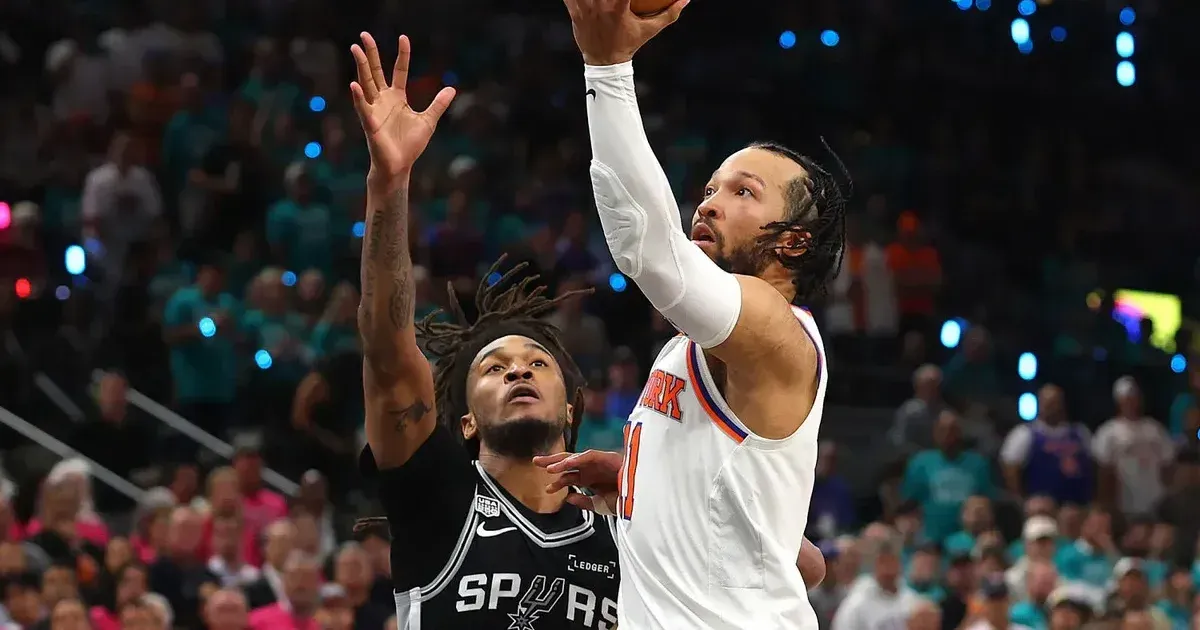
The New York Knicks engineered a dramatic rally to defeat the Cleveland Cavaliers in the Eastern Conference Finals opener. The comeback instantly changed the emotional shape of the series. New York left Cleveland with both a road win and a template for late-game pressure. The May 20, 2026, victory gave the road team an immediate series advantage and silenced Rocket Mortgage FieldHouse after Cleveland had appeared to control the game. New York took command in overtime after forcing the Cavaliers into a late collapse that changed the tone of the matchup.
Cleveland held a double-digit lead late in the fourth quarter before the momentum shifted entirely toward the visitors. Knicks defenders increased ball pressure, forced rushed possessions and created the transition chances that made the comeback possible. Records from the broadcast described the finish as one of the largest late-game playoff comebacks in recent franchise memory.
Knicks Turn Late Pressure Into Overtime Control
New York's closing run depended on defensive pressure rather than one isolated scoring burst. The Cavaliers struggled to cross half-court cleanly during the decisive stretch, and the Knicks converted those mistakes into quick points. A missed defensive rebound in the final seconds of regulation proved especially damaging because it kept New York alive long enough to force the extra period.
Cleveland missed four consecutive shots to begin overtime while New York connected on two deep field goals to build a lead. The game ended with the Knicks maintaining a multi-possession cushion until the clock expired. The road win gives New York a tactical blueprint for the rest of the series: pressure the ball, keep the bench involved and attack Cleveland before its half-court defense can reset.
"Cleveland is finished," Chris Russo said after the Knicks secured the overtime win.
Chris Russo Criticizes Cleveland Collapse
Chris Russo, the veteran broadcaster known as "Mad Dog," issued a severe assessment of the Cavaliers after the final buzzer. He argued that the psychological damage from losing a late double-digit lead at home could shape the rest of the series. His reaction quickly became part of the wider debate over whether Cleveland has the late-game structure required to answer in Game 2.
Coach Kenny Atkinson faced immediate scrutiny for his rotation choices and defensive adjustments. Analysts questioned why Cleveland did not slow the Knicks' perimeter scoring sooner and why the offense became stagnant once New York increased pressure. Atkinson now has to stabilize a roster that looked composed for most of the night but failed to execute when the game narrowed.
Game 1 outcomes do not decide a seven-game series by themselves, but road wins in conference finals carry real weight. New York now enters the next phase with confidence, while Cleveland must avoid letting one collapse define the matchup. The pressure shifts directly to the Cavaliers before the series moves to Madison Square Garden.
What Game 2 Must Answer
Preparation for the next matchup will likely center on ball security, defensive rebounding and late-game spacing. Cleveland players expressed frustration with the officiating, but the more immediate issue was offensive stagnation under pressure. The Knicks neutralized Cleveland's primary scoring threats during the most important possessions of the night.
Atkinson's first adjustment is likely to involve the way Cleveland initiates offense against pressure. The Cavaliers need cleaner spacing from their guards and faster release points from their wings, especially when New York sends help defenders toward the ball. If the home team waits too long to begin possessions, the Knicks can keep forcing late-clock attempts and contested rebounds.
New York fans have already begun looking toward a potential Finals appearance, but the series still depends on adjustments from both coaching staffs. Cleveland has enough talent to respond if it handles pressure better and prevents the Knicks from turning defense into transition offense. A second home loss would send the Cavaliers to New York facing a far more difficult climb.
The rotation question also matters because the Cavaliers cannot treat the collapse as only a closing-minute problem. New York's bench gave the starters enough rest to defend aggressively late, while Cleveland appeared to lose balance between scoring lineups and defensive groups. Game 2 will show whether Atkinson trusts the same closing unit or shortens the bench to protect possessions.
The Knicks also have to manage the emotional swing responsibly. A comeback win can sharpen a team, but it can also invite careless confidence if players assume the same pressure will work automatically in Game 2. New York's advantage is real only if it repeats the defensive discipline that created the rally rather than relying on Cleveland to unravel again.
The deeper concern for Cleveland is not that it lost one overtime period. It is that the loss confirmed several vulnerabilities at once: fragile ball handling, uncertain late-game roles and a defense that could not finish possessions. The Knicks have established themselves as the more disciplined unit when the game tightens. Cleveland must prove that Game 1 was a collapse, not the start of a pattern.