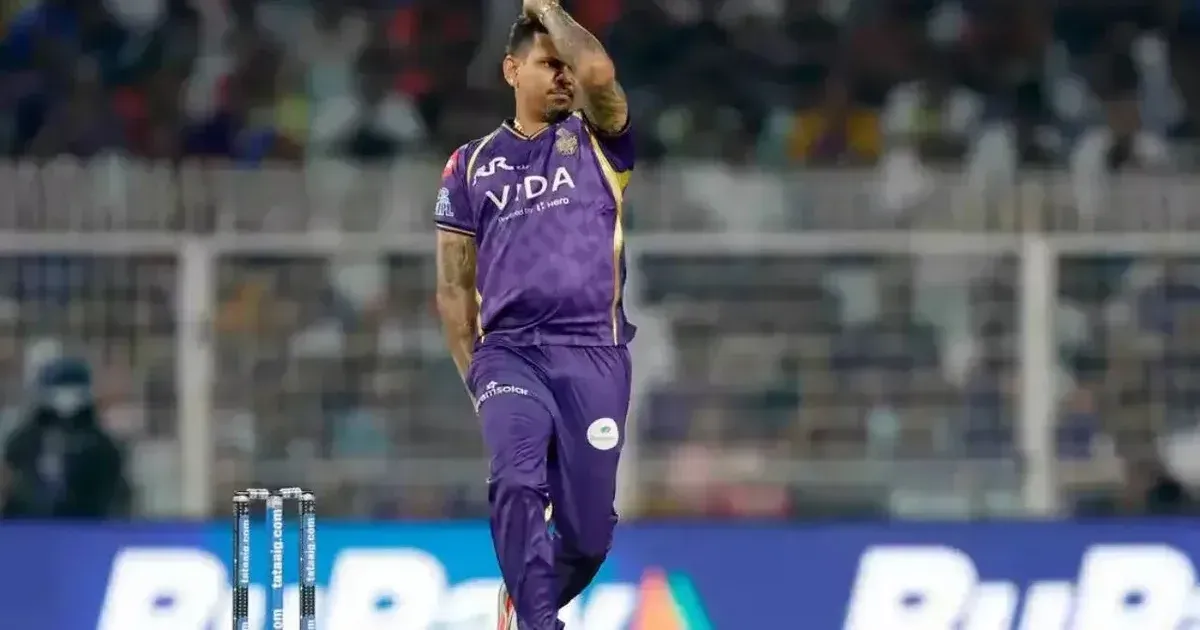
Ajinkya Rahane led the Kolkata Knight Riders onto the field after Lucknow Super Giants chose to bowl first. The decision forced Kolkata to set a total while chasing their first win of the season. Sunil Narine returned to the starting eleven after missing the previous fixture. The selection gave Kolkata a more flexible balance. In the April 9, 2026, match, immediate tactical pressure fell on Rahane's batting order and Rishabh Pant's Lucknow side. The toss gave Lucknow the first clear advantage. Bowling first allows a captain to read conditions, control early matchups and chase with a defined target. For Kolkata, the challenge was to avoid a cautious start that would leave too much work for the middle order.
KKR Tactics and Early Season Pressure
Rahane's role extended beyond surviving the powerplay. Kolkata needed him to give structure to an innings that could accelerate later through Narine and the finishers. A slow opening partnership would invite pressure, especially against a Lucknow attack designed to change pace and force mistakes.
Narine's return changed the balance of the side. He gives Kolkata flexibility with both bat and ball, and his presence can alter how opponents use spin through the middle overs. The question was whether that balance would translate into a more confident batting performance.
Team management will also study the practical information value of the toss decision. If the pitch slowed earlier than expected, Kolkata's innings would offer a warning for future selections. If it stayed true, Lucknow's chase plan would reveal whether the bowling-first call matched the conditions or only followed convention.
What Lucknow Wanted
Rishabh Pant's decision to bowl reflected confidence in his attack and in the value of chasing. Lucknow could use early movement, then vary lengths once the surface slowed. If Kolkata lost wickets in clusters, the match could tilt sharply before the halfway point.
The game also carried early-season psychological weight. A first win can settle roles, while another defeat can make selection debates louder. That is especially true in a league where short tournaments leave little time for gradual correction.
For Kolkata, the batting order had to show intent without becoming reckless. For Lucknow, the bowling plan had to turn a toss advantage into scoreboard pressure. Those two demands defined the match before the first over was complete.
The result would not decide the season, but it would shape the immediate mood around both teams. In the IPL, that mood often matters because confidence, selection and tactical risk are tightly connected from week to week.
Selection choices will be judged through that lens. If Narine's return helps Kolkata control both phases, the move will look obvious in hindsight. If the batting unit still struggles, questions will shift toward role clarity and whether the side has enough stability around Rahane.
Lucknow's challenge is different. A team that chooses to chase must keep the target within reach, which means wickets in the powerplay and disciplined middle overs. Pant's captaincy will be measured by how quickly he changes matchups if Kolkata builds a platform.
That is why the toss was only the first tactical moment. The real contest lay in whether Kolkata could turn first innings pressure into a defendable score, and whether Lucknow could make its preferred script hold under scoreboard pressure.
For Rahane personally, the innings carried a leadership test. Captains are judged not only by field placements but by whether they set the tone when form is uncertain. A composed start from him could calm the dressing room and give Kolkata's hitters a platform. For Pant, early wickets would validate the toss decision and let Lucknow dictate tempo. If Kolkata escaped the powerplay with wickets intact, the pressure would shift back to the fielding side. That swing is why the first six overs carried more weight than a normal opening passage. The match also mattered for supporters who expect Kolkata to play with aggression. A careful innings might be understandable, but a passive one would increase frustration. The side needed a total that reflected both tactical awareness and the confidence of a defending champion-caliber squad. A win would ease that pressure, while another uneven performance would make every choice around the top order, spin balance and death bowling feel more urgent. Coaches will also look beyond the scorecard to the quality of decisions: shot selection, bowling changes and whether pressure produced rushed choices. Those details often tell a team more than the margin of victory or defeat. That pressure will follow the next fixture. Kolkata's batting plan also had to account for net run rate, not just the immediate chase equation. Early-season margins can matter later when teams are separated by small differences in the table. A competitive total therefore serves two purposes: it gives bowlers something to defend and prevents one poor innings from damaging the campaign beyond the day itself. Lucknow faced the mirror image of that pressure. A controlled chase would validate the toss call and reinforce Pant's authority before tougher fixtures arrive. That is why both captains needed more than a good toss call; they needed their first major tactical choice to hold under pressure.